
Forget about store-bought skincare products that may contain harmful chemicals. Instead, make homemade facials and skincare products using all-natural ingredients!
Paraben is the most common chemical found in beauty products. It’s used in face wash, scrubs, shampoos, moisturizers, body wash, deodorants, and makeup to increase their shelf life by slowing the growth of bacteria and molds.
However, paraben can harm your skin over prolonged use, increasing the risk of breast cancer. It has a chemical structure comparable to estrogen and can cause cancer even in small doses. Meanwhile, men who use paraben-containing products may have decreased sperm counts and testosterone levels. It’s also possible that it’ll mess with your hormones.
Plant oils, herbs, flowers, and other extracts, on the other hand, are rich in nutrients that naturally heal the skin. You can get very creative with homemade facial recipes tailored to your skin type once you’ve mastered the basics. Listed below are four easy-to-make homemade facial treatments that are beneficial for your skin, safe for the environment, and sustainable for the world, a win-win for all!
Facial Serum Basics
A carrier oil will provide a foundation for your DIY facial serum, such as one obtained from fruits, seeds, or plants. Consider carrier oil as your base ingredient. You can use each of them on their own or combine them with other essential oils to create your own unique serums. For example, add a drop of lavender for a relaxing sensation or lemon for a kick.

Serums are more effective in moisturizing the skin than thick creams. They also contain various nutrients that your skin will appreciate, including antioxidants. Always cleanse your face and remove your makeup before applying serums. Then apply one drop to the forehead, cheeks, and chin before gently rubbing in delicate, upward strokes to absorb all of your facial serum’s fantastic, natural effects.
Everyone’s skin is different, whether oily, dry, combination, or mature. Use one of the four recipes below to make a serum tailored to your skin type.
For Oily Skin – Argan Oil
Most people are familiar with argan oil. It is best known for its hair advantages and is found in many shampoo and conditioner products. However, did you know that argan oil may be used on the skin? It’s packed with vitamin E, omega fatty acids, and linoleic acids, which moisturize your skin, soften dry patches and reduce acne by promoting cell regeneration.
Consider argan oil your secret weapon if you have oily or acne-prone skin. According to Dermatology Review, this golden-colored oil from Morocco is non-comedogenic, meaning it won’t clog pores. It also helps to minimize inflammation, redness, and oil production in the skin.

To make an acne-healing argan facial, combine a tablespoon of pure Argan oil, a tablespoon of tamanu oil, and a tablespoon of sweet almond oil. Only a few drops will help decrease acne symptoms and give your skin a healthy glow.
Add about five or six drops of tea tree oil for additional skin-clearing effects. Tea tree oil was proven effective in treating acne in research conducted by The Australasian College of Dermatologists. Another option for customizing your serum is witch hazel, which will boost astringency and dry off excess oil.
For Damaged Skin – Manuka Oil
Manuka oil, derived from the leaves and branches of the Manuka tree native to New Zealand, is renowned for its incredible healing properties. Its potent antibacterial and antifungal abilities effectively treat wounds, cuts, and other skin irritations. Unlike other oils, Manuka oil can deeply penetrate the skin, providing thorough hydration and promoting rapid cell regeneration. This helps to repair damaged skin faster and more effectively, leaving it looking and feeling healthier.
Manuka oil is also packed with anti-inflammatory properties that can significantly reduce redness and swelling due to skin damage. Read this guide explaining why Manuka oil is so good for your skin and how it is a perfect natural remedy for conditions such as eczema, psoriasis, or any other inflammatory skin disorders. Additionally, Manuka oil contains high levels of triketones, which are compounds known for their strong antimicrobial activity. This means it not only soothes the skin but also helps to prevent infections from developing in compromised skin areas.
Moreover, the antioxidants in Manuka oil play a crucial role in protecting and rejuvenating damaged skin. By neutralizing free radicals that cause oxidative stress, these antioxidants help to slow down the aging process and keep the skin youthful. Manuka oil also contains emollient properties, which help to maintain the skin’s moisture barrier and support overall skin health. Regular use of Manuka oil can leave your skin well-nourished, more resilient, and visibly revitalized.
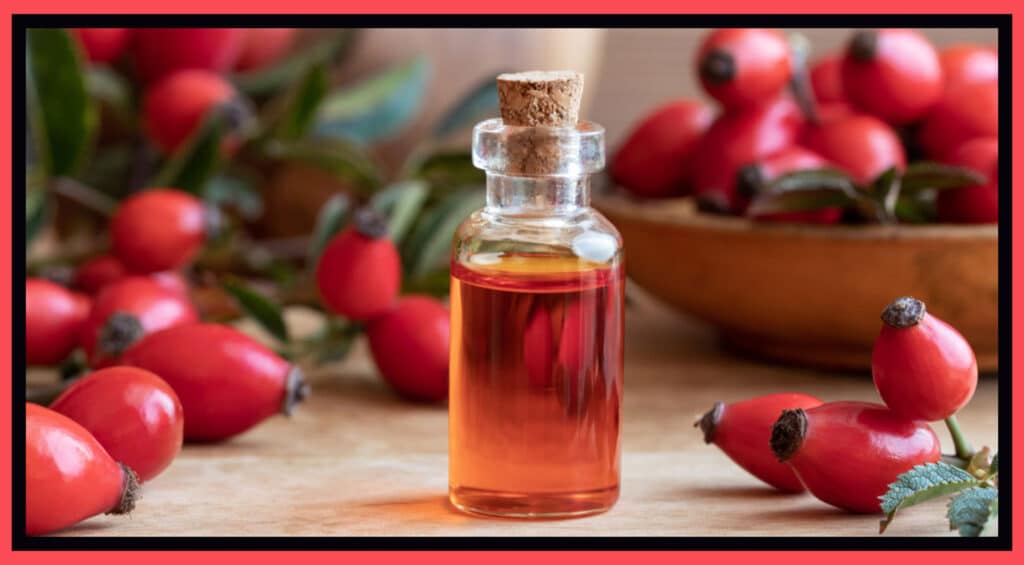
For Dry Skin – Rosehip Oil
Rosehip oil is an excellent base serum for hydrating the skin. It’s made from the pressed seed oil of the wild rose bush Rosa rubiginosa, which grows in the southern Andes. According to Women’s Health, rosehip oil is anti-aging (due to Vitamin C), brightening, and scar-reducing. In addition, Rosehip has a faint, woody scent, making it a perfect base for making your own facial serum.
To create your rosehip facial, add 20 drops of your favorite essential oil to a 1 oz bottle of rosehip oil. For a vibrant, earthy facial treatment, add essential oils like eucalyptus or add ylang-ylang, rose, and geranium oils (or all three combined) for a more floral aroma. Mix them in your rosehip bottle, shake it up, and apply daily.
For Combination Skin – Jojoba Oil
Jojoba oil is a versatile carrier oil found in a variety of cosmetics. Make a daily serum with jojoba oil as the base if you have combination skin (not too dry or oily). A study published in the International Journal for Molecular Sciences found that oils derived from this perennial plant can restore damaged skin caused by acne, infection, or even aging.
Take 1 oz of jojoba oil to begin your recipe. Then add a light essential oil, such as lavender, to your formula to make it unique. The scent of this relaxing flower oil is reminiscent of a French garden. Add 20 drops to the concoction and shake well. You only have to apply a few drops to the face for all-day moisture. According to Medical News Today, you’ll make a facial treatment that softly calms skin by lowering inflammation, rebuilding tissue, and healing breakouts. Like argan oil, lavender oil is non-comedogenic.

For Mature Skin – Avocado Oil
Avocado has many health benefits that you are probably already aware of. When applied directly to the skin, this healthy fat nourishes it, which is especially beneficial if you want to retain elasticity or add moisture. In addition, avocado oil preserves hydration and repairs the skin, making it look younger. High in omega-3 fatty acids and vitamins A, D, and E, Avocado oil will give your mature skin a healthy glow.
Avocado oil is an odorless oil, meaning you can add any aroma of your choosing to the facial treatment. For aging skin, make an avocado oil mask. Combine one tbsp of avocado oil, 1 tbsp of unsweetened, plain Greek yogurt, and 1 tbsp of honey.
You can also add three drops of carrot seed oil to add a warm, earthy aroma while preventing premature skin aging due to its high antioxidant content. Vitamin A and carotenoids are also abundant in carrot oil, aiding your skin’s natural glow.

In an interview with Vogue Magazine, Rochelle Weitzner, the CEO of Pause Skincare, a beauty line for women going through menopause, detailed how a daily facial massage helps contour muscles on the face, stimulate blood flow and boost collagen (the protein that supports the structure of the skin).
Massage the mask for five minutes on the face, neck, and chest using small, upward, circular motions with your fingertips or a massage tool for optimal results. Allow 10 minutes for the mask to dry before washing your face with lukewarm water.
For a Better Planet
You are also helping improve the environment by making your own natural skincare products. Unfortunately, the chemicals in your store-bought products wash down the drains, damaging the soil and water and putting animals’ lives at risk. Furthermore, plastic containers add to the mountains of plastic waste already polluting the planet.
Here are some sustainable containers you can use for your own facial cleansing products:
- Glass bottles or jars – Glass is an excellent choice because it is durable, does not absorb odors or flavors, and is recyclable.
- Stainless steel containers – Stainless steel is a durable and lightweight material that is also rust-resistant and recyclable.
- Aluminum tins or bottles – Aluminum is lightweight, durable, and reusable. It is also recyclable and can reduce the amount of plastic waste.
- Bamboo containers – Bamboo is renewable and biodegradable. Often, it is also lightweight and durable.
- Clay jars – Clay jars are sustainable as they are made from natural materials and possess a unique quality of keeping the facial cleansing products fresh
Remember to research the materials you’re using to ensure that they’re safe for storing facial cleansing products and to sterilize containers properly before use.


