
For those living with disabilities, the home should be a safe haven where they can independently move around and do tasks on their own despite physical limitations. Unfortunately, many houses are not handicap accessible due to inadequate bedroom doorways and entrances that are too steep for wheelchair access. Taking steps to make your home more handicap accessible can help bring comfort knowing that you or your loved one is able to live life without barriers.
This article will walk you through seven ways to create a handicap-accessible space in your home. Freedom of movement and comfort can be accessible to everyone with the right changes to your environment. Read on to learn how easy it is to make accessibility part of your daily life!

Invest in a Ramp or Lift for the Entrance of your Home
As we age, our mobility can become more limited, making even simple tasks like entering our homes challenging. Installing a ramp or lift like Stiltz Lifts at the entrance of your home can make a world of difference and improve your quality of life. Not only will it allow for easier access, but it can also provide a sense of independence.
With a ramp or lift, you won’t have to rely on others to help you in and out of your home. Additionally, it can increase the value of your property, making it a sound investment for the future. Don’t let mobility issues hold you back from enjoying your home – consider investing in a ramp or lift today.
Low-Pile Carpeting Reduces Trip Hazards
When it comes to keeping your home or workspace safe, tripping hazards are something that should definitely be on your radar. While there are many ways to mitigate these hazards, one of the simplest solutions is to add low-pile carpeting to areas that are at high risk for falls.
This type of carpeting is specifically designed to sit close to the ground, making it a great choice for areas with heavy foot traffic or high activity levels. With its durability and resistance to wear and tear, it’s a low-maintenance option that can help you create an environment that’s both safe and stylish. So, if you’re looking to prevent accidents and create a welcoming atmosphere, consider adding low-pile carpeting to your space.

Vision Impairments – Install Bright Lighting for Easier Navigation
Navigating the world can be especially challenging for those with vision impairments. Simple tasks like walking down a dimly lit hallway or finding the light switch in a poorly lit room can become daunting. That’s why installing bright lighting is crucial to improving accessibility for individuals with visual impairments.
By illuminating spaces with bright, high-quality lighting, people with visual impairments are able to navigate their environment with greater ease and confidence. Whether it’s in a home, workplace, or public space, lighting plays a critical role in creating a more inclusive and accessible world for everyone.
Add Wider Doorways and Hallways for Wheelchair Accessibility
Creating a more inclusive and accessible environment is an important step towards ensuring that everyone can feel comfortable and welcome. One way to do so is by adding wider doorways and hallways that are wheelchair accessible. This can make a huge difference for those with mobility challenges, allowing them to move around freely and independently.
Not only does this demonstrate a commitment to diversity and inclusion, but it also helps to foster a more welcoming and supportive community. As we work towards a more equitable future, we must take steps like these to create a space that is accessible to all.
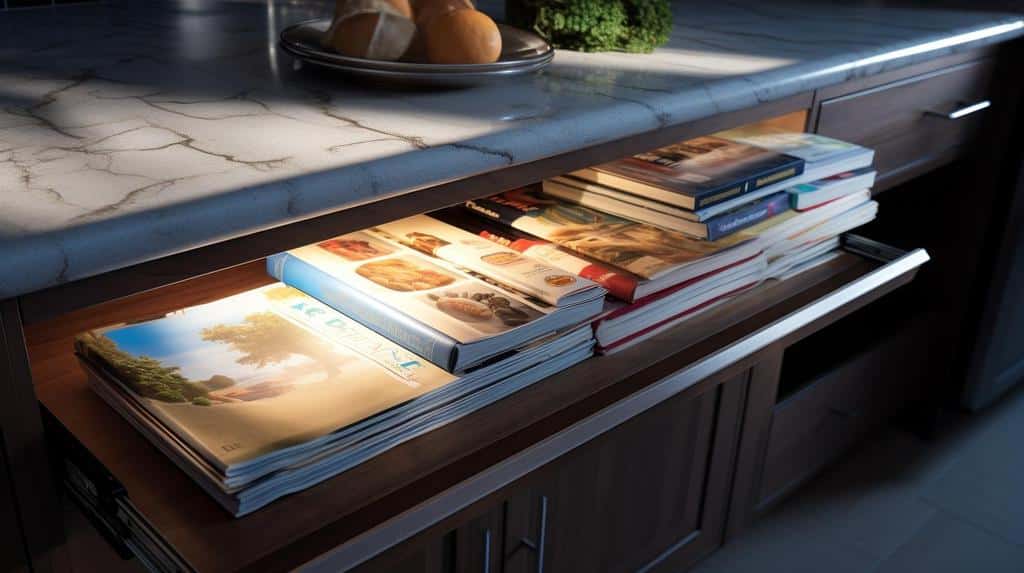
Create Easy-to-Reach Countertops by Adding Pull-Out Shelving
As someone who loves to cook and spend time in the kitchen, having a functional workspace is vital. Easy access to your tools and ingredients is crucial for creating a stress-free cooking experience.
Pull-out shelving units or drawers are highly recommended for countertops! It’s a simple yet effective solution that can make way for significant changes in your lifestyle. Imagine being able to easily grab your cutting board, spices, or measuring cups without having to dig through cluttered cabinets.
With a pull-out shelf or drawer, everything you need is right at your fingertips. Once you have one, you’ll wonder how you ever cooked without it.
Add Safety Features to Make Bathrooms More Accessible
Bathrooms may seem like a perfectly safe place, but slips and falls can happen to anyone, especially those with limited mobility. Installing grab bars, non-slip mats, and other safety features can go a long way in making bathrooms accessible for everyone. These small additions can make all the difference in helping people maintain their independence and reduce the risk of accidents.
Additionally, these safety features don’t have to compromise the aesthetic of your bathroom. With so many style options, you can find something that not only looks good but also provides the necessary support. By investing in these safety features, you are not only promoting accessibility but also prioritizing the safety and well-being of everyone in your home.
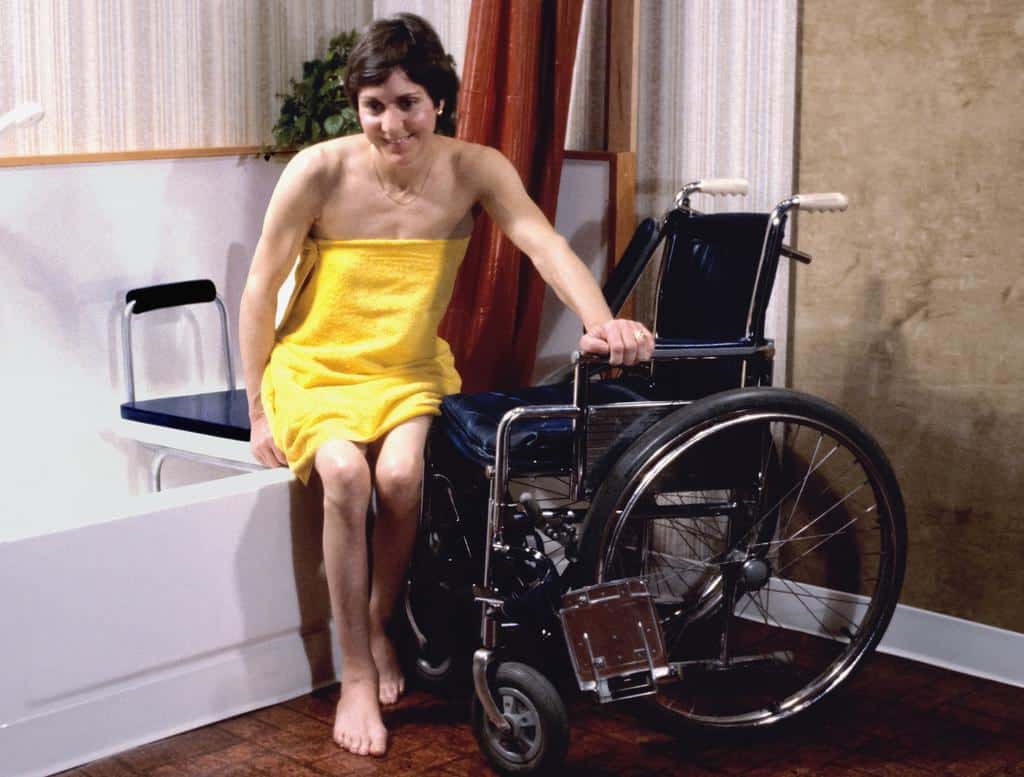
Ensure Appliances and Furniture are Easy to Reach
Access to furniture and appliances should never be a challenge, especially for those with mobility issues. As a society, we should do more to make sure that all furniture and appliances are designed with accessibility in mind.
Having everything at an easy-to-reach height and with simple operating mechanisms can make a huge difference in someone’s day-to-day life. It’s not just about making things easier; it’s about treating everyone with the respect and dignity they deserve. Let’s work together to create a world where everyone can fully participate and live comfortably in their own homes.
Conclusion
Making your home accessible for people with disabilities doesn’t have to be a daunting task. Small changes such as investing in ramps or lifts, adding low-pile carpets, and installing bright lighting can help immensely. Widen doorways and hallways so that those in wheelchairs can navigate easily throughout the house. Create an easy-to-reach countertop by adding pull-out shelves and drawers. Ensure bathrooms are accessible by adding grab bars, non-slip mats, and other safety features. Lastly, make sure all appliances and furniture are easy to reach and can be operated easily by those with mobility issues.
With these simple upgrades, you can create a home that is safe and accessible to everyone — no matter their abilities or disabilities! Make sure you start today; don’t wait until it’s too late to make your house more accommodating for people of all abilities.


