
A thousand tiny spheres of brain cells are sailing through space, two hundred and fifty miles overhead at the International Space Station. The scientists call these clusters of cells “brain organoids.” A few weeks prior to being shipped off into space by NASA, biologists here on Earth, at the University of California, San Diego, created them… well, the beginning of them.
Once in the environment of zero gravity, they grew more and developed brainwaves. Dr. Alysson Muotri, leader of the lab, commented after his team’s brain organoids were sent to the space station: “I think they are replicating like crazy at this stage, and so we’re going to have bigger organoids.”
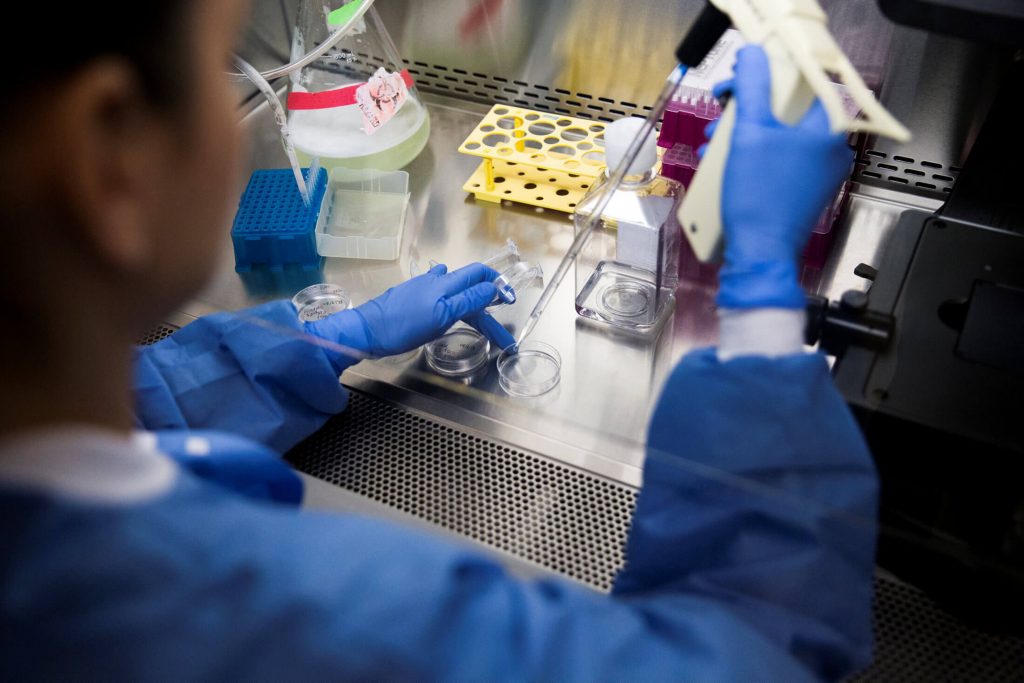
The brain organoids were created by altering human skin cells into stem cells, which were then coaxed into developing as brain cells do in an embryo. “The organoids grew into balls about the size of a pinhead, each containing hundreds of thousands of cells in a variety of types, each type producing the same chemicals and electrical signals as those cells do in our own brains,” reports The New York Times. The research has been published in the journal Cell Stem Cell.
What these cell clusters are growing into exactly is a question that has people wondering, and worrying if they may become too much like the real thing. The brainwaves that were forming as the organoids matured were changing in a similar way to the developing brains of premature babies. “It’s pretty amazing,” said Giorgia Quadrato, a neurobiologist at the University of Southern California who was not involved in the new study. “No one really knew if that was possible.” However, Dr. Quadrato says that they are clusters of replicating brain cells, not actual brains, so they are not at all like the brains of preterm infants.
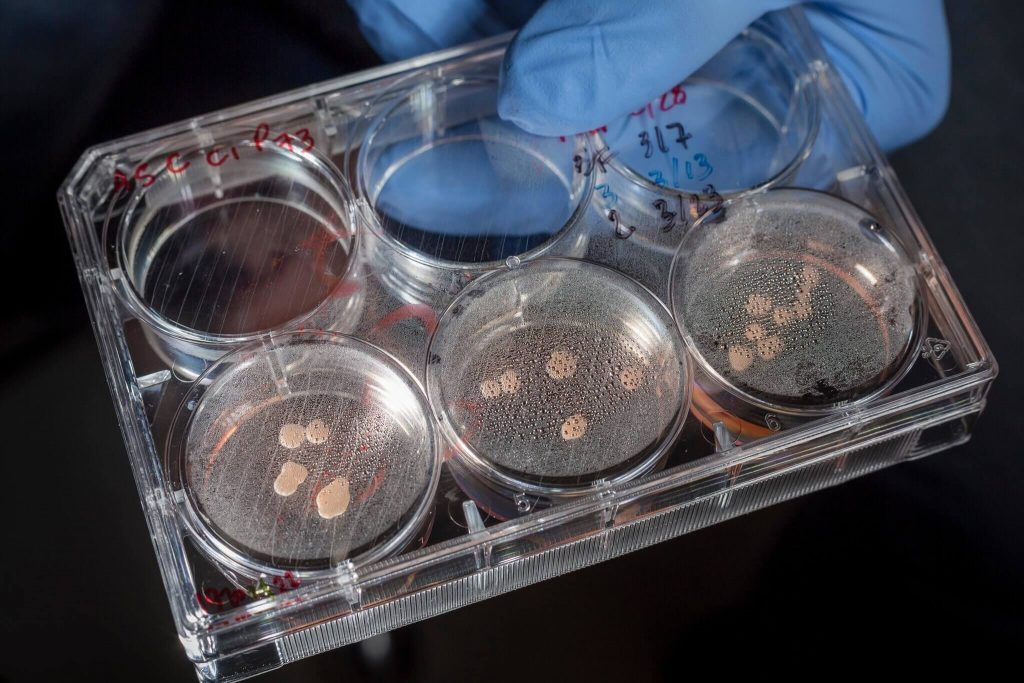
But Dr. Muotri thinks there is potential in these becoming more than just clusters of cells. “There are some of my colleagues who say, ‘No, these things will never be conscious,'” said Dr. Muotri. “Now I’m not so sure.”
So why are they making them? These clusters of living brain cells are teaching scientists about diseases like autism or schizophrenia, and much more. The first brain organoids were created less than a decade ago and already there are labs worldwide growing them, offering scientists a new window onto the earliest stages of human brain development. At University of California San Diego (UCSD), the scientists are using them to recreate inherited brain disorders and brain infections in miniature models, meanwhile trying to grow bigger more complex brain organoids to experiment with.
Another interesting experiment at UCSD involved Muotri’s lab hooking up the miniature brains up to a spider-shaped robot to read their neural activity. “A computer translates an organoid’s electrical activity into instructions for moving the robot’s legs. As the robot moves, it uses sensors to detect when it gets close to a wall. The computer relays those signals back to the organoid in the form of electrical pulses,” reports the New York Times. They want to see if the experiments will affect how the brain organoids develop.
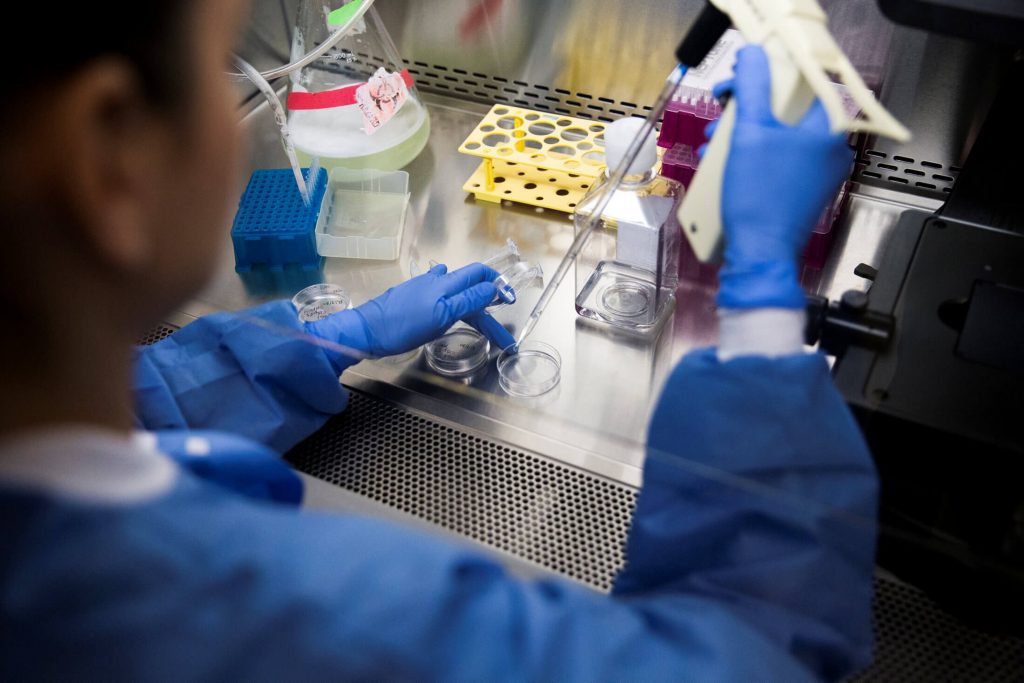
Depending on the outcome of these robotic experiments, they may have to start evaluating the ethical standpoint of mini-brains. It could make it possible to generate partially-conscious life. “The closer we come to his goal, the more likely we will get a brain that is capable of sentience and of feeling pain, agony and distress,” Christof Koch, chief scientist and president of the Allen Brain Institute said.
Dr. Muotri urges his fellow scientists to think carefully about what they may inadvertently create: “What if you add neurons that sense pain? Or what if we start recording memories in these organoids?”
Conclusion
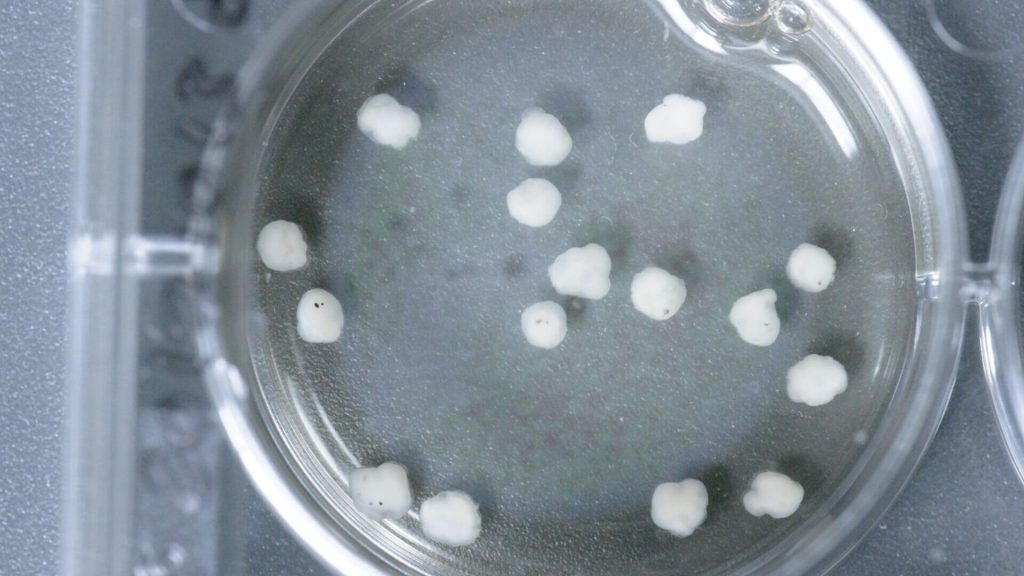
The development of the brain is one of the hardest things to study in biology. That’s why brain organoids are so appealing. They are just a simulation of a simpler, miniature version of the real thing. At this stage of research, Dr. Jeantine Lunshof, a bioethicist at Harvard argues, “the most important thing is to avoid mistaking today’s brain organoids for true human brains — let alone people. They’re in a completely different category.”
If it comes to the point that the brainwaves produced by these organoids are proving to be capable of consciousness, then neuroscientists will have to deal with a major ethical dilemma. If they were to continue to carry out experiments it would mean creating and destroying self-aware, human-like life. For now, they are far from that point.


