
Across Australia, the family vehicle is often a significant investment, essential for daily commutes, school runs, and weekend travel. While the Australian climate offers plenty of sunshine, the harsh environmental conditions can cause substantial wear and tear on vehicles over time. Consequently, many homeowners seek effective ways to provide their cars with adequate protection from the elements. Installing a carport has become an increasingly popular solution, offering a blend of functionality, property value enhancement, and vehicle preservation.
Modern carports are far more versatile than simple shelters for a single sedan. They are frequently designed as multi-purpose structures, accommodating everything from large caravans used for interstate travel to recreational equipment. This versatility makes them a highly efficient use of residential space, serving various needs beyond traditional vehicle storage.
Versatile Uses for Your Carport
- Parking for diverse vehicles: Beyond the primary family car, a well-designed carport can house motorcycles, trailers, or a fleet of bicycles. For those with larger recreational vehicles, a high-clearance caravan carport provides essential protection from UV-induced fading of the exterior and deterioration of roof seals.
- Additional external storage: Residential properties often face a shortage of organised storage space. A carport offers a sheltered zone for items that are too bulky for the house but require protection from the weather. This can help protect valuable assets from the corrosive effects of rain and wind.
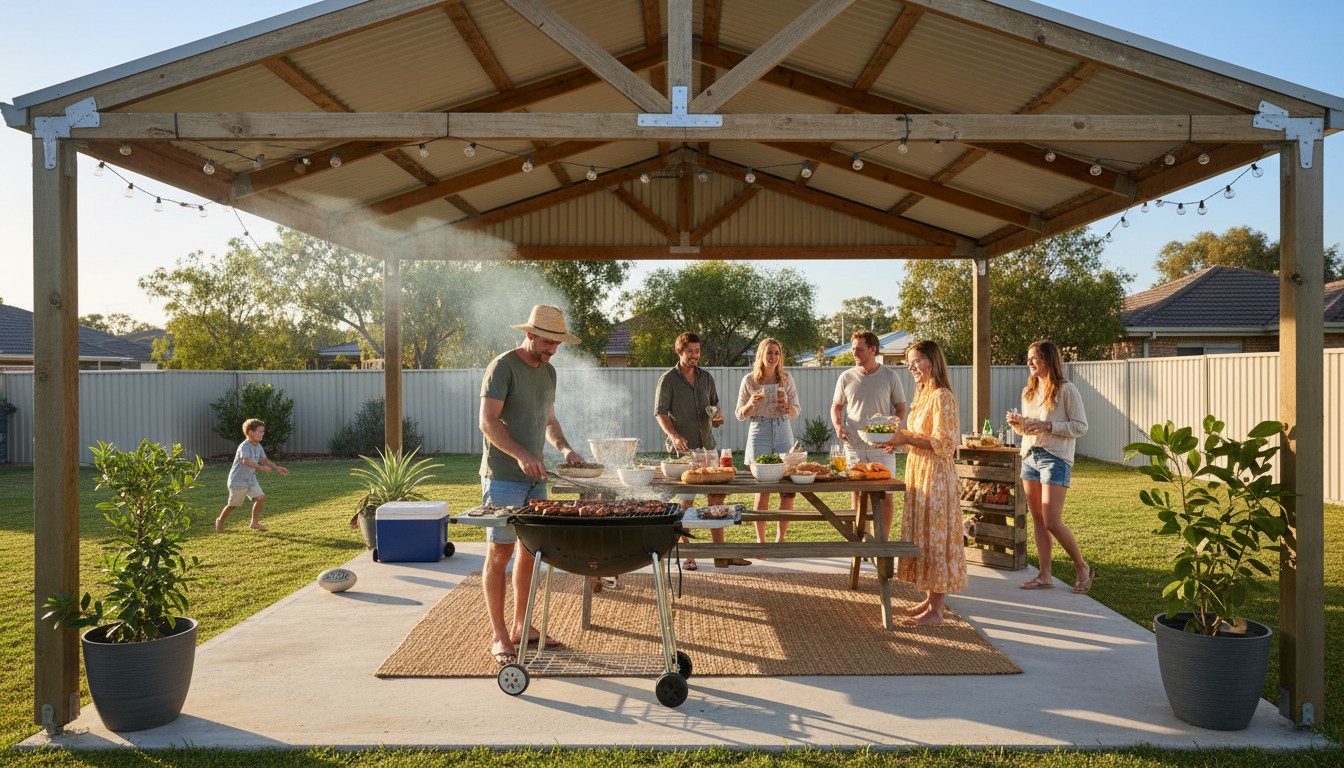
- Sheltered outdoor entertaining: In the heat of an Australian summer or during a sudden afternoon downpour, a carport serves as an excellent site for a barbecue or social gathering. By temporarily moving the vehicle, homeowners can gain a spacious, covered outdoor area that remains cool and ventilated, effectively extending the living space of the home.
- Workshop and tool storage: For those who maintain their own gardens, the carport provides a dry area to store lawnmowers, shears, and other essential equipment. It also functions as a shaded workspace, allowing residents to complete maintenance tasks while staying out of the direct sunlight, which is critical for health during the peak UV hours of the day.
Climate Resilience and Solar Integration
In addition to storage and entertainment, carports provide vital protection against the unpredictable nature of the Australian climate. From sudden hailstorms that can cause thousands of dollars in panel damage to intense UV radiation that oxidises paintwork and cracks leather interiors, a sturdy structure acts as a primary line of defence. Investing in a high-quality, professionally installed carport ensures that vehicles and other stored assets remain in peak condition, potentially increasing their resale value.
Furthermore, the expansive, often flat or gently pitched roofs of modern carports are ideal for solar panel integration. This allows homeowners to harness renewable energy without occupying additional yard space or complicating the existing roofline of the main residence. By installing a solar array on a carport roof, a simple parking spot can be transformed into a micro-power plant. This setup can contribute significantly to reducing household energy bills, powering electric vehicle (EV) charging stations, and lowering the overall carbon footprint of the property.
Local Council Considerations and Planning
Before commencing the installation of a new carport, it is essential to consider the local council regulations and planning requirements that apply to the specific region. In many parts of Australia, carports are classified as permanent structures and may require a building permit or development approval, depending on their size, height, and proximity to property boundaries. Reviewing documents such as the NSW planning guidelines for carports can help homeowners understand the rules for exempt development and avoid legal complications. Councils often have specific guidelines regarding the “setback” from the street or neighbouring fences to ensure the structure does not impede sightlines or create drainage issues for adjacent lots.
It is also important to check for any heritage overlays or specific neighbourhood character codes that might dictate the materials and colours used. For instance, some local government areas require carports to match the aesthetic of the existing dwelling or use specific non-reflective roofing materials to reduce glare. Consulting with a qualified builder or a local council planning officer early in the process can prevent costly delays and ensure the project is fully compliant with Australian building standards and safety regulations.

Ultimately, a carport is a multifaceted addition that offers far more than a simple parking space. By providing climate resilience, opportunities for sustainable energy production, and versatile storage solutions, it represents a significant upgrade to any Australian property. Whether used for protecting a caravan or hosting a weekend gathering, a well-planned carport provides long-term functional value and peace of mind for the homeowner.

