
From finding plastic encrusted onto rocks on isolated islands to bees making beehives out of plastic, plastic is everywhere. Now, researchers discovered that on average, a person consumes or inhales between 74,000 and 121,000 microscopic particles of plastic every single year. That’s a lot of plastic!
Plastic waste breaks down into pieces so tiny that they end up wafting in the air and flowing in the waters. There are just multitudes of minuscule plastic beads and fibers in the environment, it really is overwhelming.
Where does most of the plastic come from?
New research from Penn State Behrend chemist, Sherri Mason, has shown that 60% of the microplastics in freshwater comes from laundry lint. Synthetic textiles shed non-biodegradable fibers, which make their way from your washing machine through wastewater treatment plants and travel far beyond.
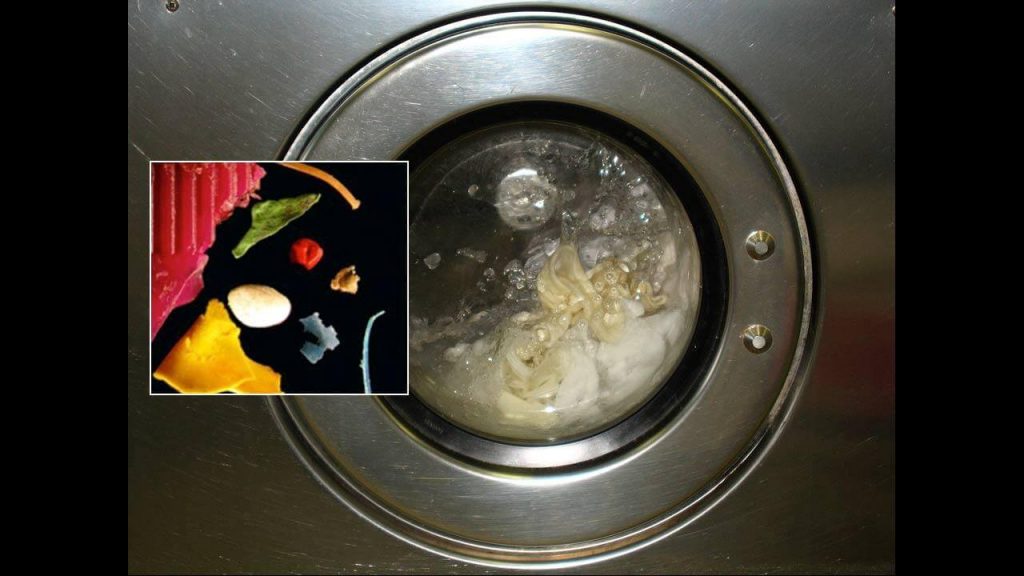
Mason does note that natural materials can also shed fibers in the wash, but microbes are able to digest them. Microplastic fibers, on the other hand, may take centuries to decompose, therefore they accumulate.
Mason said:
There are microplastics in the air, and as you have, you know, precipitation events, it—they come raining down. Or as basically air comes into contact with water, these microplastics are going to end up in the water that way. And fibers, microfibers, are quickly becoming kind of the most prominent, and we find them everywhere. And I think now people are, like, ‘Okay, we really need to be looking at these fibers.
Wastewater Treatment Plants
The researcher wanted to understand whether microplastics are removed at wastewater treatment plants. After all, every time we clean our sheets, clothes, and towels, tiny threads of microfibers break off, wash away, and travel through all types of water sources. So why not our freshwater systems too?
The team collected 90 samples of water to be analyzed from 17 different facilities across the United States, only to confirm that microplastics do in fact travel through wastewater treatment plants. Each wastewater treatment facility was releasing approximately over four million pieces of microplastic into U.S. waterways every single day: 60% fibers, 34% beads, and 6% films and foams. Since there are nearly 15,000 such facilities in operation around the United States, that means, billions of microplastic particles are certainly finding their way to the freshwater we depend on. Mason’s report can be found in the publication of American Scientist.


