
In 2017, Volvo’s performance brand Polestar introduced a hybrid GT. Since then, electrification has been a vital part of the company’s strategy, but it’s far from perfect in terms of sustainability.
Now, the automaker has unveiled plans for an upcoming model that will be entirely carbon neutral. This will involve a drastic re-evaluation of its entire production process to prevent the “cop-out” of carbon offsetting.
Thomas Ingenlath, the CEO of Polestar, said:
Offsetting is a cop-out. By pushing ourselves to create a completely climate-neutral car, we are forced to reach beyond what is possible today. We will have to question everything, innovate and look to exponential technologies as we design towards zero.
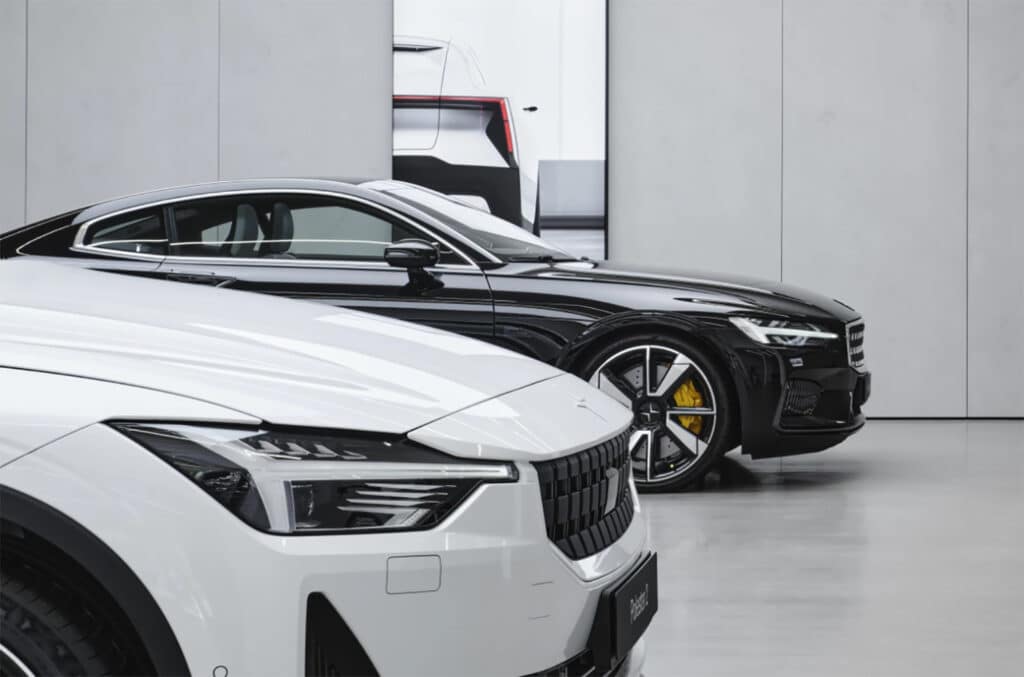
Polestar currently produces two electric performance vehicles: the luxury Polestar 1 GT and the all-electric Polestar 2. Regarding their eco-credentials, the hybrid and electric powertrains place these cars ahead of many. However, the company points out that the materials, manufacturing, and supply chain all produce carbon emissions – this is something it promises to address.
Fredrika Klarén, the Head of Sustainability at Polestar, added:
We’re electric, so we don’t have to worry about combustion engines producing toxic emissions – but that doesn’t mean our job is done. We will now work to eradicate all emissions stemming from production. Now is a historic and exciting time for carmakers, an opportunity to seize the moment, do better and dare to build the dream of climate-neutral, circular and beautiful cars.
The automaker’s Polestar 0 project, described as a “moonshot,” aims for 100% climate neutrality in the vehicles’ production and operation by 2030. The company plans to achieve this by eliminating emissions every step along the way rather than planting trees to offset them.
Last year, we saw Polestar unveil an all-electric concept called Precept. The Polestar Precept reduces the number of virgin plastics that it takes for production and instead sources as many materials as possible from recycled plastics. The seats are made of 100% recycled yarn from polyethylene terephthalate (PET) plastic bottles, which are cut to the exact size needed to reduce waste further.


