
The Bogota-based Colombian company Woodpecker was founded to provide a lightweight development alternative for low-cost housing. Its construction material is made of coffee husks. It took a group of Universidad de Los Andes researchers a series of investigations and studies to develop the novel material.
The team wanted to make something easy and affordable to use in neglected, rustic, and difficult-to-access areas. The waterproof and resistant structural material is made of recycled plastic and coffee husk. They are molded to be like large ‘Lego’ pieces that can join together with a steel contour. No other material (like concrete or nails) is necessary.
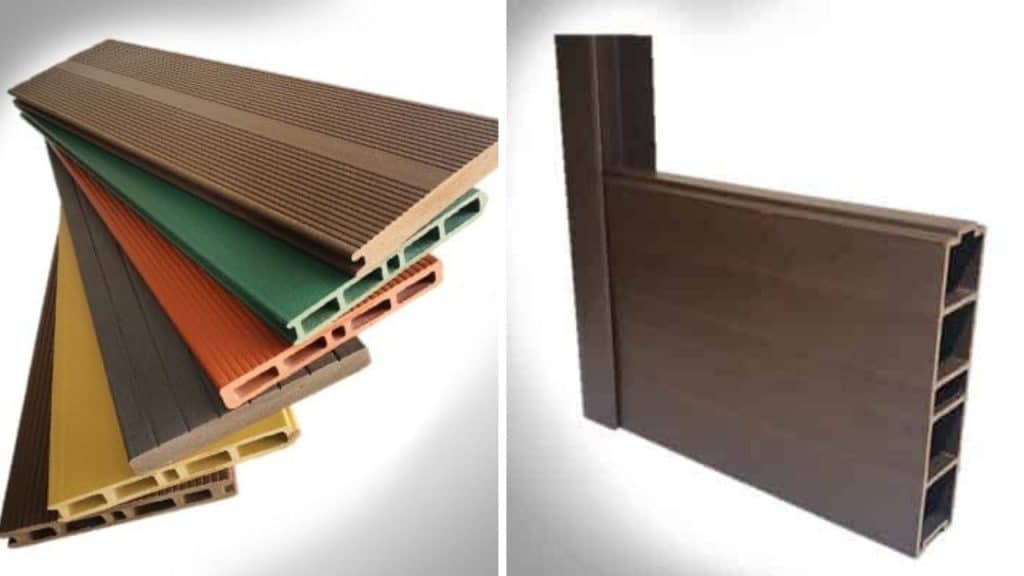

Since all of the material is either waste or recycled/reused garbage, Woodpecker’s homes can be made very cheap – much less costly than standard construction prices. And as a bonus, all that coffee waste and plastic don’t end up in a landfill.
Alejandro Franco, who serves as CEO of Woodpecker, stated:
We saw that there was a great need for a lightweight construction system for homes and classrooms in rural and isolated locations where traditional construction systems cannot reach, such as bricks, cement, and concrete. The coffee husk was selected because it is more robust and drier than the other fibers.
The Woodpecker company said it has already managed to sell more than 2,600 homes since its launch. Each house costs approximately 4,500 dollars.


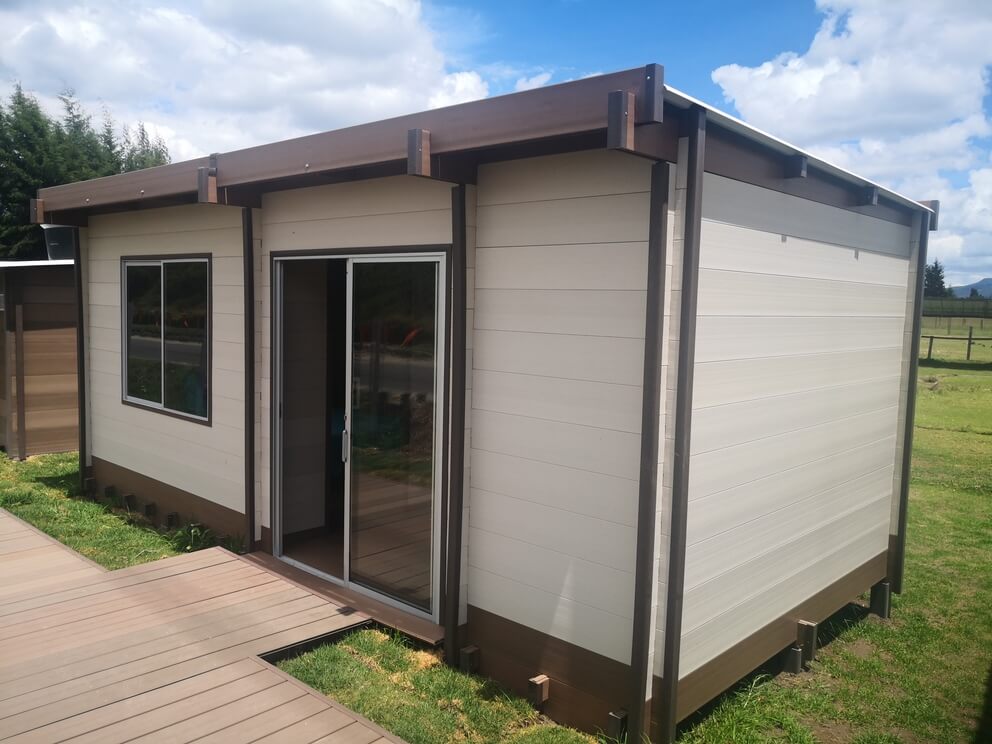
Since it’s so cheap and the construction method is so basic, the Colombian government turned to the Woodpecker company to aid people affected by Hurricane Iota in November 2020. The public authority used Woodpecker’s accommodation to swiftly provide a safe house for evicted residents when they could not be sent elsewhere.
Franco pointed out:
The system worked perfectly, considering there was no power supply, the ground was muddy, the airport was damaged, there was no food, etc., all the problems you can imagine.
Meanwhile, in England, BakerBrown Studio has designed a sustainable pavilion called the Glyndebourne Croquet Pavilion using seashell waste and used wine cork.


