
A report from a coalition of 16 conservation groups (including WWF, The Nature Conservancy, the Alliance for Freshwater Life, and Conservation International) warns that nearly a third of freshwater fish species face extinction due to human activity. The groups emphasize the importance of the world’s freshwater fish for human well-being.
Stuart Orr, WWF’s global freshwater lead, said in a press release announcing the report:
Nowhere is the world’s nature crisis more acute than in our rivers, lakes, and wetlands, and the clearest indicator of the damage we are doing is the rapid decline in freshwater fish populations. They are the aquatic version of the canary in the coal mine, and we must heed the warning. Despite their importance to local communities and indigenous people worldwide, freshwater fish are invariably forgotten and not factored into development decisions about hydropower dams or water use or building on floodplains. Freshwater fish matter to people’s health and the freshwater ecosystems that all people and all life on land depend on. It’s time we remembered that.
The incredible diversity of fishes is critical for the food security, health, and livelihoods of hundreds of millions of people. Despite this, policymakers rarely consider river wildlife when making decisions.
Will Darwall, IUCN Head Freshwater Biodiversity Unit:
We have to ask ourselves why are freshwater fishes repeatedly forgotten by the world’s donors and decision-makers when they are so important, both in terms of world biodiversity and as a resource for so many people. Analysis from the European Foundation Centre shows that freshwater systems receive just 3.2% of the environmental funding provided by European foundations. We hope that this report will make people stand up, take note, and act to finance and support renewed efforts to conserve this highly threatened group of species.
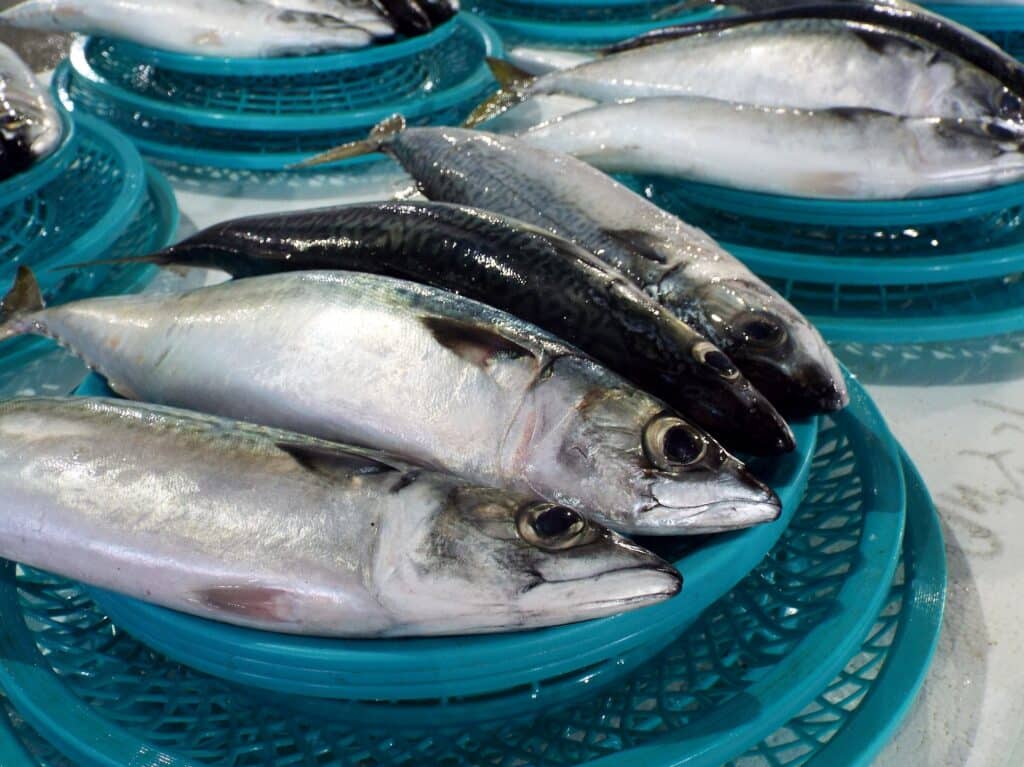
The report, fittingly titled “World’s Forgotten Fishes,” highlights the extraordinary variety of species – 18,075 reported to date, which accounts for 51% of all the planet’s fish species and 25% of all vertebrates species.
The announcement says:
This wealth of species is essential to the health of the world’s rivers, lakes, and wetlands – and supports societies and economies across the globe.
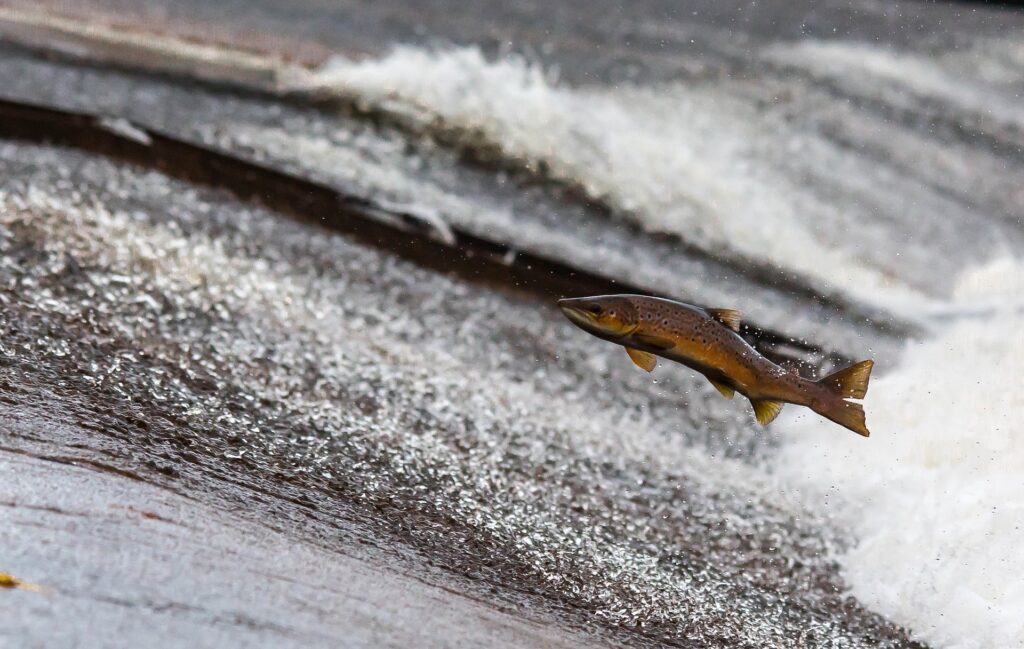
Yet, 80 of those species are already extinct (16 of them in 2020 alone), according to the IUCN Red List of Threatened Species. Freshwater biodiversity is shrinking at twice the rate in the oceans and forests. Since 1970, migratory freshwater fish like salmon have declined 76% and mega-fish like beluga sturgeon 94%.
James Dalton, IUCN Director Global Water Programme, said:
The fact that freshwater biodiversity is declining at twice the rate of that of terrestrial or marine species is not just an alarming statistic for the environment; it is also highly concerning for people’s health and job security. Freshwater fisheries provide the main source of protein for 200 million people across Asia, Africa, and South America, as well as jobs and livelihoods for 60 million people. And yet here we are, documenting more decline on our watch.
Thousands of species are nearing extinction because their habitats face a devastating combination of threats, including over-abstraction of water for irrigation, hydropower dams on free-flowing rivers, habitat destruction, unsustainable sand mining, the introduction of invasive species, and domestic, agricultural, and industrial pollution. The fish themselves face additional risks from destructive fishing practices, overfishing, wildlife crime, and the impacts of climate change.
Orr told NBC News:
As we look to adapt to climate change and we start to think about all the discussions that governments are going to have on biodiversity, it’s really a time for us to shine a light back on freshwater.
The report outlines a six-point plan to protect these forgotten fishes:
- Improve water quality in freshwater ecosystems
- Protect and restore critical habitats
- Let rivers flow more naturally
- Prevent and control invasions by non-native species
- Protect free-flowing rivers and remove obsolete dams
- End overfishing and unsustainable sand mining in lakes and rivers
The authors also urge world leaders to include freshwater ecosystems in biodiversity agreements. However, fixing this situation will require more than just government initiative.
Carmen Revenga of The Nature Conservancy told the BBC:
It’s now more urgent than ever that we find the collective political will and effective collaboration with the private sector, governments, NGOs and communities, to implement nature-based solutions that protect freshwater species while also ensuring human needs are met.
Fortunately, there are solutions to the threats these fish face, so there’s hope that the world can turn the tide and reverse decades of decline in freshwater fish populations.
Orr said:
The good news is that we know what needs to be done to safeguard freshwater fishes. Securing a New Deal for the world’s freshwater ecosystems will bring life back to our dying rivers, lakes, and wetlands. It will bring freshwater fish species back from the brink too – securing food and jobs for hundreds of millions, safeguarding cultural icons, boosting biodiversity, and enhancing the health of the freshwater ecosystems that underpin our well-being and prosperity.
What we need now is to recognize the value of freshwater fish and fisheries, and for governments to commit to new targets and solutions implementation, as well as prioritizing which freshwater ecosystems need protection and restoration. We also need to see partnerships and innovation through collective action involving governments, businesses, investors, civil society and communities.
Another good reason to save fish: scientists discovered that big fish could lower the amounts of CO2 released into the atmosphere.


