
Choosing the right nozzle is a critical decision that directly influences the effectiveness of various industrial applications. The proper nozzle not only enhances performance but also optimizes resource usage and minimizes operational costs.
This article offers a comprehensive overview of various nozzle types and their specific functions within sectors such as agriculture, manufacturing, and cleaning. It emphasizes the significance of evaluating the distinct requirements of each application. This assessment ensures that the selected nozzle meets operational goals and produces the desired outcomes. By understanding the unique characteristics associated with different nozzles, industry professionals can make informed decisions that enhance efficiency and effectiveness in their projects.
Exploring key characteristics such as spray patterns, flow rates, and material compatibility provides valuable insights for tailoring nozzle selections to meet specific operational demands. Understanding these critical factors enables professionals and practitioners to make informed choices that align with their immediate requirements as well as their long-term objectives. This knowledge facilitates more effective decision-making in various applications, ensuring optimal performance and efficiency.
Understand Your Application Requirements
The first step to finding the right nozzle is to assess the specific requirements of your application. Designers engineer nozzles for diverse purposes, and their intended use greatly influences their functionality. For instance, cleaning nozzles need high-pressure capabilities, while agricultural nozzles require even liquid distribution for crops.
- Industrial Cleaning: Nozzles for cleaning need to balance pressure and flow rate to remove debris effectively without damaging surfaces.
- Spraying and Coating: Applications like painting or coating demand consistent atomization to ensure even coverage and avoid material waste.
- Irrigation: Agricultural nozzles prioritize uniformity in spray patterns to maximize coverage and efficiency across fields.
By identifying your application, you can narrow down the nozzle options that deliver the desired performance. Always consult the technical specifications provided by manufacturers to ensure compatibility with your intended use.
Evaluate Spray Patterns and Coverage
Spray patterns are a crucial aspect to consider when choosing a nozzle. Different patterns offer varying coverage areas, making them suitable for specific tasks. Flat fan, full cone, hollow cone, and misting patterns are among the most common designs.
- Flat Fan: Ideal for cleaning and coating applications, these nozzles provide a narrow, concentrated spray that works well for precision tasks.
- Full Cone: This pattern offers complete circular coverage, making it perfect for cooling or humidifying large spaces.
- Hollow Cone: A fantastic choice for applications requiring light coverage, such as dust suppression or delicate irrigation.
- Misting: Misting nozzles create fine droplets for humidification, cooling, or light application of liquids.
Selecting the appropriate spray pattern ensures efficiency and reduces resource waste. For example, misting nozzles are unsuitable for high-pressure cleaning as they lack the force required to remove tough residues.

Consider Flow Rate and Pressure Needs
Flow rate and pressure are integral to nozzle performance. The flow rate determines the amount of liquid dispensed, while pressure influences the force and reach of the spray. These two factors must align with your system’s capacity and operational goals.
To calculate the optimal flow rate and pressure, consider the following factors:
- System Compatibility: Ensure the nozzle can handle the pressure output of your equipment without risking damage or inefficiency.
- Application Goals: Low-pressure nozzles are suitable for gentle tasks like irrigation, while high-pressure options excel in industrial cleaning or surface preparation.
Precise calibration of flow rate and pressure prevents over-spraying or underperformance, improving the overall quality of results.
Material Compatibility and Durability
Nozzles are constructed from various materials, including brass, stainless steel, plastic, and ceramics. Each material offers distinct advantages depending on the working environment and fluid type.
- Brass: Cost-effective and corrosion-resistant, suitable for general-purpose applications.
- Stainless Steel: Highly durable and capable of withstanding abrasive or corrosive materials, making it ideal for harsh industrial settings.
- Plastic: Lightweight and resistant to chemicals, often used in agriculture or low-pressure systems.
- Ceramics: Exceptional wear resistance, perfect for nozzles exposed to high temperatures or abrasive materials.
Selecting a nozzle material that aligns with your application ensures longevity and consistent performance. For instance, stainless steel nozzles are a wise choice for handling caustic chemicals in industrial processes, whereas brass is sufficient for basic cleaning tasks.
Explore Advanced Nozzle Technology
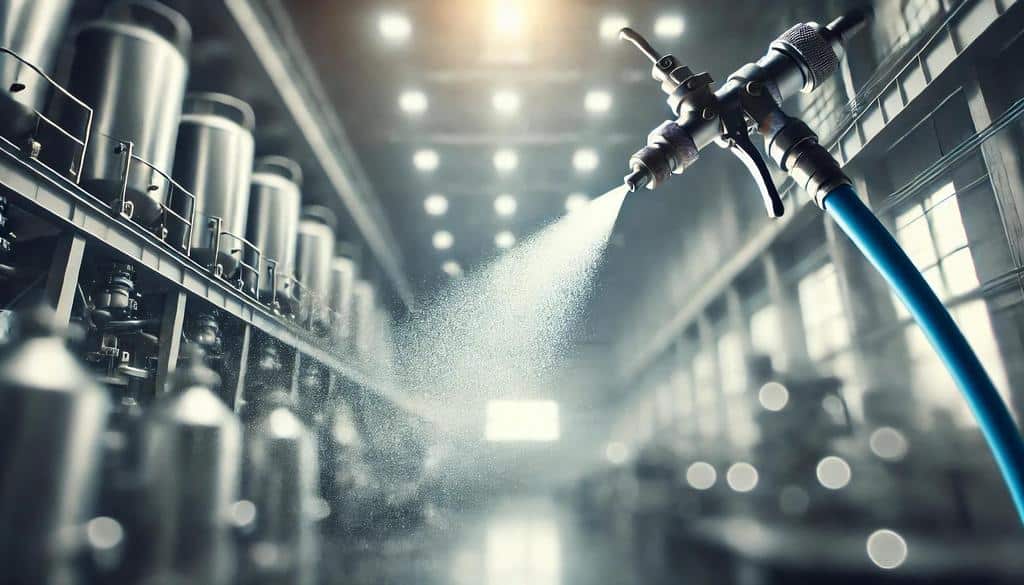
Modern nozzles incorporate advanced technologies to enhance functionality and efficiency. Innovations like air atomizing nozzles provide precision control over droplet size and spray patterns, making them ideal for applications that demand fine atomization. These nozzles combine liquid and compressed air to create a uniform spray, improving coverage and reducing material waste.
Advanced nozzle designs can improve productivity across industries, from automotive manufacturing to pharmaceutical production. Always assess whether investing in advanced nozzle technology aligns with your specific operational needs and budget.
Factor in Maintenance and Replacement Costs
Nozzles are subject to wear and tear, particularly in demanding environments. Regular maintenance and timely replacement are necessary to maintain performance and avoid operational downtime.
When selecting a nozzle, consider:
- Ease of Cleaning: Nozzles with removable parts or self-cleaning mechanisms simplify maintenance tasks.
- Durability: High-quality materials and construction reduce the frequency of replacements, saving costs in the long run.
- Spare Parts Availability: Ensure spare components are readily accessible to minimize downtime during replacements.
A nozzle that requires minimal upkeep and offers an extended service life contributes to cost efficiency over time.
Assess Environmental and Safety Factors
Environmental conditions and safety considerations play a pivotal role in nozzle selection. Temperature, humidity, and exposure to chemicals can influence the performance and longevity of a nozzle.
For example:
- High-Temperature Environments: Select nozzles made from heat-resistant materials like stainless steel or ceramics.
- Corrosive Conditions: Use nozzles with chemical-resistant coatings or materials to prevent degradation.
- Safety Compliance: Ensure the nozzle design adheres to industry safety standards to mitigate risks during operation.
Adapting your nozzle choice to the working environment enhances safety, reliability, and operational efficiency.

Seek Expert Advice and Testing
Choosing the right nozzle can be overwhelming, especially with the variety of options available. Consulting experts or conducting performance tests is a practical way to ensure the nozzle meets your expectations.
- Professional Guidance: Reach out to manufacturers or industry professionals for advice tailored to your specific needs.
- Field Testing: Test different nozzle types in your operating environment to evaluate performance, durability, and efficiency.
- Data Analysis: Use metrics like spray coverage, droplet size distribution, and resource consumption to compare nozzle effectiveness.
Investing time in research and testing ensures you make an informed decision and achieve optimal results.
Balancing Cost and Performance
Cost is an important factor in nozzle selection, but it should not overshadow performance and quality. While budget-friendly options may seem appealing, they can result in higher long-term costs due to frequent replacements or inefficiencies. Focus on finding a nozzle that offers:
- Cost-Effectiveness: A balance of initial investment, durability, and performance.
- Energy Efficiency: Nozzles designed to minimize energy consumption reduce operational expenses.
- Resource Conservation: High-precision nozzles optimize liquid usage, lowering material costs.
By prioritizing value over price, you ensure reliable performance and a lower total cost of ownership.
The right nozzle selection process requires a thoughtful approach, considering application demands, material compatibility, and technological advancements. Whether you’re cleaning, coating, or irrigating, investing time in understanding your options guarantees efficient and effective results.
Nozzle Selection for Enhanced Industrial Performance and Efficiency
Selecting the right nozzle is essential for achieving optimal performance in various applications. It is crucial to evaluate important factors such as the intended use, spray patterns, flow rates, and material compatibility. A thorough assessment of these elements ensures that the chosen nozzle meets both immediate operational needs and long-term efficiency goals.
Prioritizing quality and functionality allows professionals to enhance operational processes, minimize waste, and boost overall productivity. Informed decisions in nozzle selection play a crucial role in achieving desired results across various industries, including agriculture, manufacturing, and cleaning. This careful consideration fosters more effective applications and promotes sustainable practices. It reinforces the significance of deliberate nozzle choices in improving performance and efficiency. By focusing on these aspects, organizations can attain higher standards of operational excellence and effectiveness in their tasks.


