
Setting up a gas station business is a venture that requires careful planning and consideration of various factors.
From regulatory compliance to technological advancements, navigating the complexities of the industry is crucial for long-term success.
This guide explores key considerations to consider when establishing your own gas station business.
Choosing the Location
Selecting the right location is crucial for the success of your gas station business. Begin by thoroughly researching the area’s demographics.
Consider factors such as population density, local traffic patterns, and proximity to highways or busy intersections. Finimpact notes that based on the location of your gas station, you can expect to earn anywhere from $40,000 to $100,000 yearly.
Additionally, assess the presence of competitors and identify underserved regions. A prime location can significantly impact footfall and customer loyalty, laying a solid foundation for your business.
Structural Integrity
Seismic occurrences can produce catastrophic damage, resulting in fatalities, property devastation, and significant economic consequences. According to the USGS, the country may expect 16 significant earthquakes yearly. As a result, it is vital to protect the structural integrity of hazardous structures such as gas stations.
Ensuring the structural integrity of your gas station is a multifaceted undertaking, especially in regions susceptible to seismic activity. Collaborating with a reputable seismic retrofit contractor is not just a legal requirement but a strategic investment in the long-term viability of your business.
These professionals specialize in assessing the vulnerability of structures to earthquakes and implementing measures to reinforce them. Connor Daly Construction notes that seismic retrofitting involves various techniques, such as adding diagonal braces or shear walls, strengthening foundations, and securing non-structural components.
It’s a comprehensive approach to fortify your gas station against potential seismic events. Beyond meeting regulatory standards, a well-executed seismic retrofit enhances the safety of your infrastructure, instilling confidence in both customers and the local community.
Regulatory Compliance
Navigating the regulatory landscape is a critical aspect of setting up a gas station. Engage with legal experts to understand and comply with local, state, and federal regulations.
The Library of Congress states that individual states have specific government bodies and commissions tasked with overseeing the oil and gas sectors. Pipeline transportation that happens entirely inside one state is governed by that particular state. Some states impose extra restrictions on refined oil products.
Obtain all necessary permits, ensuring adherence to environmental standards, safety protocols, and zoning regulations. A proactive approach to compliance will mitigate potential legal issues and contribute to the smooth operation of your business.
Cutting-Edge Fuel Equipment
Investing in cutting-edge fuel equipment is crucial for the seamless operation and longevity of your gas station. Beyond the basics of fuel dispensers and underground storage tanks, consider incorporating advanced monitoring and control systems.
Shields, Harper & Co. notes that these systems enable real-time tracking of fuel levels, detect leaks, and ensure compliance with environmental regulations.
Collaborate with reputable fuel equipment suppliers who offer not just products but also ongoing support and maintenance services. Regular inspections and preventive maintenance are critical to identifying potential issues before they escalate. Additionally, consider integrating smart technologies that allow for remote monitoring and diagnostics, enhancing overall operational efficiency.
Technology Integration
Embrace technology to enhance the efficiency and customer experience at your gas station. Implement an advanced point-of-sale system to improve transaction efficiency and inventory management.
Install surveillance cameras for added security and software for inventory management to improve stock levels. Technological integration improves operational efficiency and positions your business as contemporary and customer-focused.
Integrating Electric Vehicle Chargers
In the era of environmental consciousness and technological advancements, adding electric vehicle (EV) charging stations to your gas station is a progressive move that aligns with the global shift towards sustainable transportation. As reported by the International Energy Agency (IEA), the number of electric cars on the roads is set to reach almost 350 million by 2030, representing 65% of vehicles sold globally. Offering EV charging services can cater to a growing market, attract a diverse customer base, and signal your business’s commitment to innovation and sustainability.
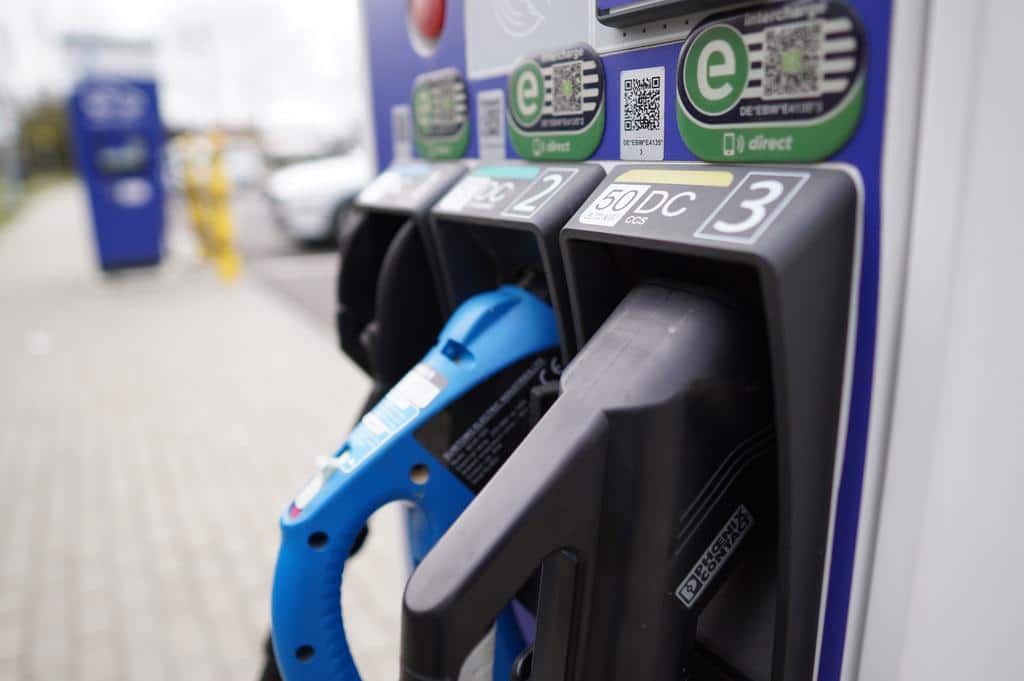
When integrating EV chargers, consider the types of chargers suitable for your location. Level 2 chargers may suffice for an area where drivers are likely to spend longer periods, such as near shopping centers or restaurants, allowing for a significant charge during their stay. However, fast-charging DC stations are ideal for quick-turnaround locations like highway gas stations, where drivers seek to minimize their stop time.
Collaborate with experienced EV charging station providers to ensure proper installation and maintenance. Additionally, strategically market your new charging services to reach EV owners and consider partnering with EV manufacturers or navigation apps to feature your gas station as a charging point.
By integrating EV chargers into your gas station business, you not only enhance your service offering but also invest in the future of transportation, preparing your business for the evolving energy landscape.
Marketing and Branding
It is critical to have a strong brand identity and an effective marketing plan to stand out in the competitive gas station industry. Invest in eye-catching signage that is visible from the road.
Implement reward schemes to encourage repeat business and participate actively in the local community through sponsorships or events. A well-defined brand and effective marketing initiatives may attract and keep consumers, adding to your gas station’s long-term success.
Emergency Preparedness
Establishing comprehensive emergency response plans is critical for the safety of your staff, customers, and the community. Conduct regular training sessions for your team on how to handle fuel spills, accidents, and other emergencies.
Make sure that safety supplies, such as first aid kits and fire extinguishers, are easily accessible. By prioritizing emergency preparedness, you demonstrate a commitment to safety, building trust with both customers and local authorities.
In summary, establishing a gas station business demands meticulous planning and adherence to various critical factors. This ranges from optimal location selection to cutting-edge technology integration. Ensuring structural integrity, navigating complex regulatory landscapes, and fostering emergency preparedness are paramount for sustained success.
By investing in advanced fuel equipment, embracing technology, and implementing effective marketing strategies, a gas station can enhance operational efficiency and customer appeal. This comprehensive approach positions the business competitively and underscores a commitment to safety and community engagement.
Ultimately, a well-rounded strategy incorporating these considerations is the key to thriving in the dynamic and demanding gas station industry.


