
The aviation industry is currently exploring novel approaches to introducing hybrid and electric aircraft into the market and kickstarting a new space race that rids issues caused by traditional fuel and battery-powered aircraft. Though improvements in sustainable aviation fuels and battery technology have been plentiful, some designers and engineers are thinking further into the future of an electric aircraft transcending these needs. The Eather One is an electric aircraft fitting these criteria, offering a futuristic solution to the problems of inefficiency and pollution in air travel.
What is the Eather One, and Who Designed it?
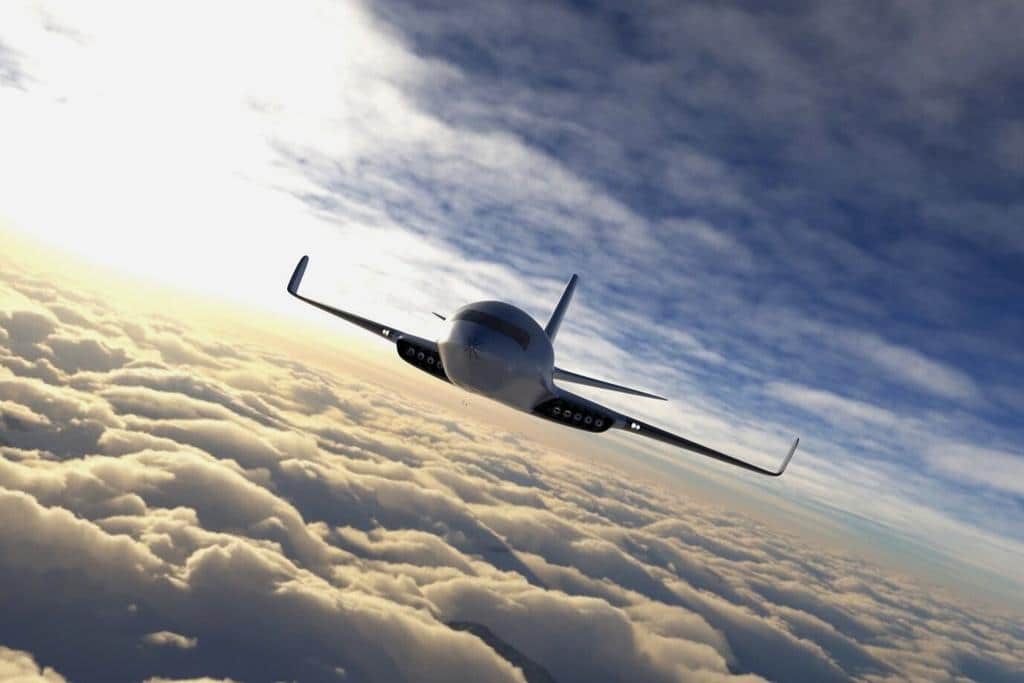
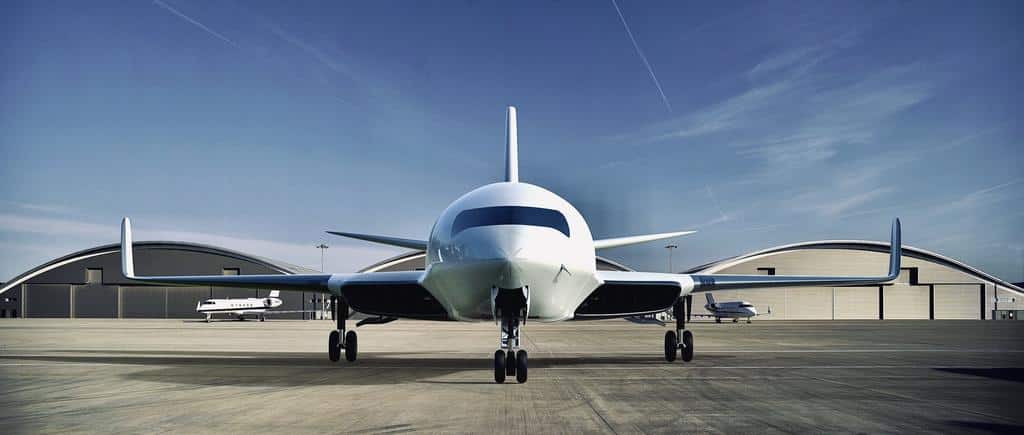
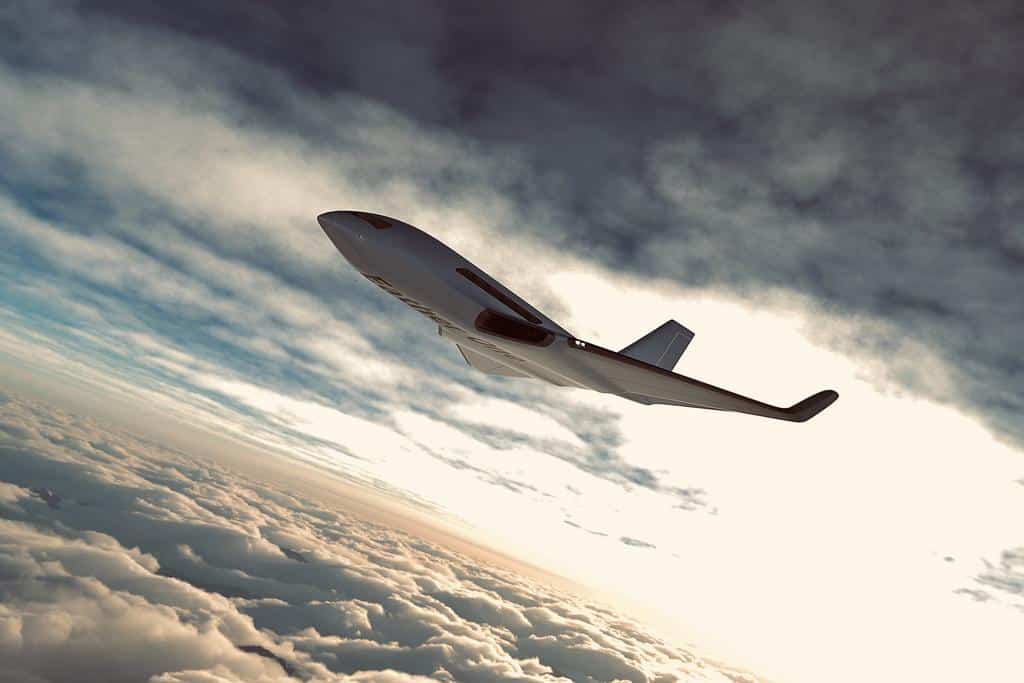
The Eather One is a concept for an airplane powered by air friction rather than batteries or fuel tanks. This conceptual aircraft is a futuristic approach that is still a few generations from becoming a reality. Nevertheless, reducing the carbon footprint of planes in this way is a fascinating topic for contemplation.
Michal Bonikowski is the mastermind behind the Eather One. He is an inventor, product designer, and holder of numerous patents. Bonikowski is based in Warsaw and has collaborated with several businesses and startups worldwide to design innovative and daring products. He has worked in the field of product design for more than 20 years, since 2000, and has achieved international notoriety. Additionally, he recently created the Fusion Copter, a new type of rotorcraft.
What Inspired the Creation of the Eather One?
The Eather One is as spectacular and cutting-edge as any of Bonikowski’s other designs. He drew inspiration for the Eather One from the Maveric, one of Airbus’ more recent aerospace concepts. The Maveric would be an aircraft with extensive, continuous construction, allowing for more cabin space and fewer interruptions between its wings and the remainder of the body. The result would be a more aerodynamically efficient aircraft that needs less energy to maintain flight.
Bonikowski said:
“I enjoy all attempts to revolutionize flying. I have been thinking a lot about this lately and what could happen if Airbus would like to create an electric plane.”
How Would the Eather One Generate Power?
The Eather One would produce renewable energy as needed by utilizing the high friction formed between the aircraft and the air as it flies at high speeds. In addition, the Eather One would be distinguished from other modern hybrid aircraft by incorporating triboelectric nanogenerators within the conceptual jet’s wings. Modern nanogenerators using the triboelectric effect convert environmental mechanical energy into electricity, which can be used to power small devices like sensors or recharge consumer electronics. Earther One’s jet engines may achieve electric flight through these nanogenerators, converting mechanical energy from air friction into electrical energy.
As a result, the jet would not require any fuel tanks or batteries since it would generate energy from the air around it. This energy would be used to power the engine and electric motors and recharge the batteries. These batteries would only be necessary for areas with low friction and during takeoff and landing. Reducing battery weight could potentially increase flight time and speed.
The Eather One has several advantages over other hybrid aircraft, including less dependence on sustainable aviation fuels and smaller onboard batteries. As a result, the aircraft will carry less weight and improve its overall performance. Drastically reducing carbon footprint while increasing flight time, commercial aircraft could benefit from an extended flight range without the need for heavy investment in battery technology.

Will We See the Eather One Flying Anytime Soon?
The Eather One is currently a futuristic airplane concept that may or may not be manufactured into a real-world item. However, triboelectric nanogenerators have enormous potential for larger-scale energy harvesting, such as from human motion or vehicles. A substantial amount of research and investigation is still required to determine whether the Eather One is feasible. However, it is an excellent place to start when looking for answers to the issues of pollution and inefficiency in modern aircraft.


