
Jewelry has been an integral part of human culture for thousands of years, serving as a form of personal adornment, a symbol of status, and a means of self-expression. From the intricate gold work of ancient civilizations to the cutting-edge designs of contemporary artisans, jewelry continues to captivate and inspire. In this article, we’ll explore the fascinating world of jewelry, its rich history, diverse types, and the art of selecting and caring for these precious adornments.
The Rich History of Jewelry
The story of jewelry is as old as humanity itself. Archaeological evidence suggests that humans have been adorning themselves with jewelry for at least 100,000 years. Let’s take a brief journey through the annals of jewelry history:
Prehistoric Era
Early humans used natural materials like shells, bones, and stones to create primitive jewelry. These early adornments were not just decorative but often held spiritual or symbolic significance.
Ancient Civilizations
- Egyptians: Renowned for their elaborate gold jewelry and use of precious stones, ancient Egyptians believed jewelry had protective powers and used it in both life and death rituals.
- Mesopotamians: Created intricate pieces using a variety of precious metals and stones, often incorporating complex symbolism.
- Greeks and Romans: Popularized the use of gemstones in rings and other ornaments. They also introduced cameos, which remained popular for centuries.
Middle Ages
During this period, jewelry became a symbol of power and religious devotion. Royalty and nobility wore lavish pieces to display their status, while religious jewelry, such as crosses and rosaries, became increasingly common.
Renaissance
The Renaissance saw a revival of classical styles and the rise of new cutting techniques for gemstones. This period also marked the beginning of jewelry as we know it today, with an increased focus on artistic design and craftsmanship.
Industrial Revolution and Beyond
The Industrial Revolution brought about mass production techniques, making jewelry more accessible to the general public. This democratization of jewelry continued into the 20th century, with costume jewelry becoming popular and new materials being introduced.

Types of Jewelry
The world of jewelry is vast and varied. Here are some of the most common types:
- Necklaces and Pendants
- Chokers: Short necklaces that fit closely around the neck
- Lockets: Pendants that open to reveal a small compartment, often used to hold photos or mementos
- Chains: Versatile pieces that can be worn alone or with pendants
- Statement necklaces: Bold, eye-catching pieces designed to be the focal point of an outfit
- Earrings
- Studs: Small earrings that sit directly on the earlobe
- Hoops: Circular earrings that come in various sizes
- Dangles: Earrings that hang down from the earlobe
- Ear cuffs: Decorative pieces that clip onto the outer edge of the ear
- Rings
- Engagement rings: Traditionally featuring diamonds, though other gemstones are becoming more popular
- Wedding bands: Simple rings exchanged during marriage ceremonies
- Cocktail rings: Large, ornate rings often worn as statement pieces
- Signet rings: Rings bearing a seal or family crest
- Bracelets
- Bangles: Rigid bracelets that slide over the hand
- Charm bracelets: Chains or bands to which decorative charms can be attached
- Tennis bracelets: Flexible bracelets featuring a line of diamonds or other gemstones
- Cuff bracelets: Open-ended, rigid bracelets that can be slipped on and off
- Brooches and Pins: Decorative pieces that can be attached to clothing
- Anklets: Bracelets worn around the ankle
- Body Jewelry: Including navel rings, nose studs, and other piercings

The Art of Jewelry Making
Creating beautiful jewelry is a delicate balance of artistry and technical skill. Here are some key aspects of jewelry making:
Materials Used
- Precious Metals: Gold, silver, platinum, and palladium are commonly used due to their durability and luster.
- Gemstones: Diamonds, rubies, sapphires, emeralds, and many others add color and sparkle to jewelry pieces.
- Alternative Materials: Wood, glass, plastic, and even recycled materials are gaining popularity in contemporary jewelry design.
Techniques
- Casting: Molten metal is poured into a mold to create the basic shape.
- Soldering: Joining metal parts using heat and a filler metal.
- Stone Setting: Securely placing gemstones into metal settings.
- Engraving: Adding decorative patterns or personalized messages to metal surfaces.
- Filigree: Creating delicate, lace-like metalwork.
- Enameling: Applying colorful glass coatings to metal surfaces.
- Chasing and Repoussé: Techniques for creating raised designs in metal.
Many jewelry stores offer a mix of pieces created using both traditional and modern techniques, catering to a wide range of preferences.

Choosing the Perfect Jewelry
Selecting the right piece of jewelry can be a deeply personal experience. Here are some factors to consider:
- Occasion: Is it for everyday wear or a special event?
- Personal Style: Does it complement your wardrobe and aesthetic preferences?
- Quality: Look for well-crafted pieces made from durable materials.
- Budget: Determine how much you’re willing to spend and explore options within that range.
- Symbolism: Consider pieces that hold special meaning or represent important milestones.
Caring for Your Jewelry
Proper care can help maintain the beauty and integrity of your jewelry for years to come. Here are some tips:
- Clean your jewelry regularly using appropriate methods for each material.
- Store pieces separately to prevent scratching.
- Remove jewelry before swimming, exercising, or doing household chores.
- Have valuable pieces professionally inspected and cleaned periodically.

The Future of Jewelry
As we look to the future, several exciting trends are emerging in the jewelry industry:
- Sustainability: Increasing focus on ethically sourced materials and eco-friendly production methods.
- Technology Integration: Smart jewelry that incorporates wearable tech features.
- Customization: Growing demand for personalized and bespoke jewelry pieces.
- Gender-Neutral Designs: Breaking away from traditional gender-specific styles.
- Cultural Fusion: Blending elements from different cultural traditions to create unique designs.
- 3D Printing: Allowing for more complex and customized designs.
- Alternative Materials: Experimenting with unconventional materials like recycled plastics or bio-materials.
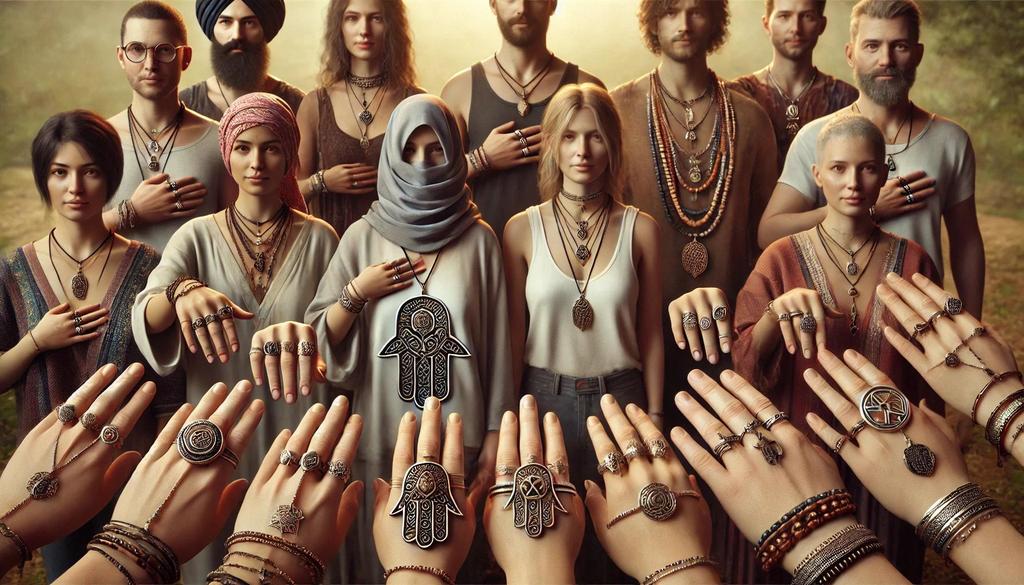
The Psychological and Cultural Significance of Jewelry
Jewelry is more than just decoration; it often carries deep psychological and cultural significance:
Personal Identity
For many, jewelry is a way to express individuality and personal style. The pieces we choose to wear can communicate aspects of our personality, values, and interests.
Emotional Attachment
Jewelry often becomes a repository for memories and emotions. A family heirloom, a gift from a loved one, or a piece marking a significant life event can hold immense sentimental value.
Cultural and Religious Symbolism
In many cultures, specific types of jewelry hold important symbolic meanings:
- Wedding rings in Western cultures symbolize the bond of marriage.
- In Hinduism, married women often wear mangalsutra necklaces as a symbol of their marital status.
- The hamsa hand in Middle Eastern and North African cultures is believed to provide protection against the evil eye.
- In Ireland, the Claddagh ring joins two hands, a heart and a crown to represent friendship, love and loyalty, as explained in the story behind the Claddagh ring.
Status and Wealth
Throughout history, jewelry has been used as a marker of social status and wealth. While this aspect has diminished in modern times, fine jewelry still often signifies prosperity and success.
Talismans and Amulets
Many people wear jewelry as good luck charms or for protection. This practice dates back to ancient times and continues in various forms today.

The Investment Value of Jewelry
While most jewelry is purchased for its aesthetic and emotional value, some pieces can also be considered investments:
- Precious Metals: Gold and platinum jewelry can hold value based on the metal content.
- Rare Gemstones: High-quality, rare gemstones often appreciate in value over time.
- Vintage and Antique Pieces: Jewelry from specific historical periods or by renowned designers can become highly valuable collectors’ items.
- Limited Edition Pieces: Some contemporary designers create limited edition pieces that may increase in value due to their rarity.
However, it’s important to note that not all jewelry appreciates in value, and the primary reason for purchasing should be personal enjoyment rather than investment potential.

Timeless Allure of Jewelry: Art, Culture, and Personal Expression
Jewelry is a fascinating blend of art, history, culture, and personal expression. From ancient civilizations to modern times, it has played a significant role in human society, evolving with our changing tastes, technologies, and values. Whether you’re drawn to the sparkle of diamonds, the warmth of gold, or the uniqueness of handcrafted pieces, there’s a world of beauty waiting to be explored in the realm of jewelry.
As we move forward, the art of jewelry making will undoubtedly continue to evolve, incorporating new materials, technologies, and design philosophies. Yet, at its core, jewelry will always remain a powerful means of personal adornment, cultural expression, and emotional significance. Whether you’re selecting a gift for a loved one or treating yourself to something special, remember that each piece of jewelry has the potential to become a treasured part of your personal story.

