
A colony of 18,000 pairs of Adélie penguins in Terre Adélie, Antarctica suffered a catastrophic breeding failure. Only two chicks survived out of tens of thousands of tiny baby Adélie penguins. The rest of them all starved to death as changing weather forced the parents to travel too far for food. This serves as a tragic reminder of the devastating effects of climate change and human activity.
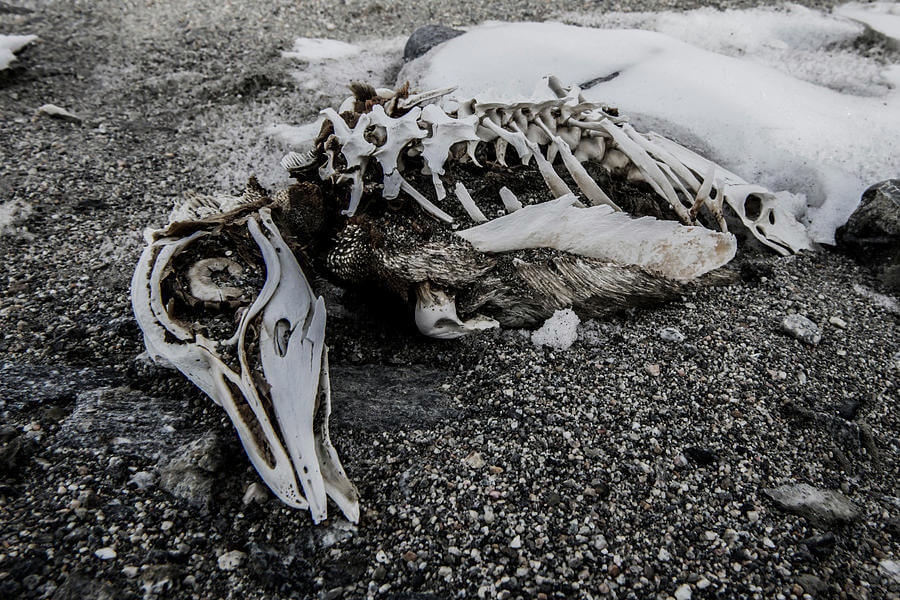
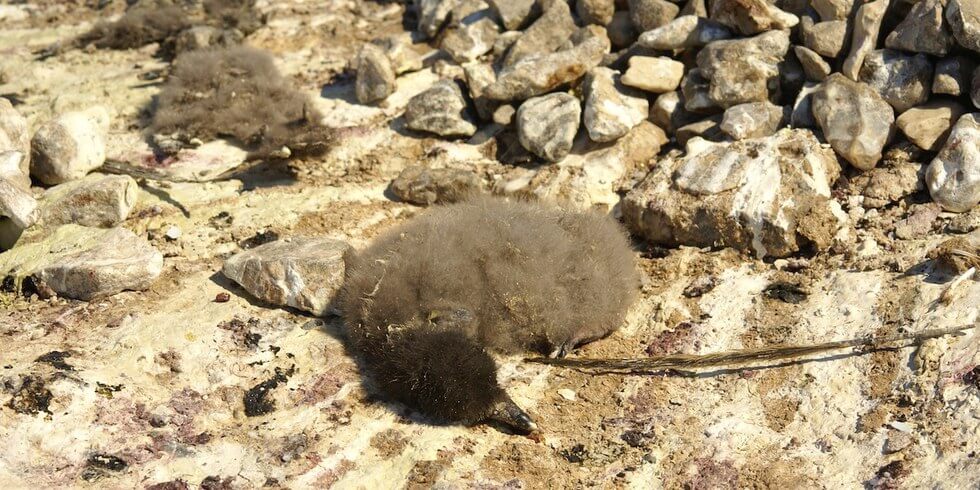 Just a few years prior in 2013 the same colony suffered a similar catastrophic shock. That time however not a single chick survived from the 20,196 pairs of penguin. There was an unusual amount of sea ice combined with warm weather and rain, before a rapid drop in temperature. They were all saturated from the rain so when the temperature dropped they froze to death.
Rod Downie, head of polar programs at WWF, said:
Adélie penguins are one of the hardiest and most amazing animals on our planet. This devastating event contrasts with the Disney image that many people might have of penguins. It’s more like ‘Tarantino does Happy Feet’, with dead penguin chicks strewn across a beach in Adélie Land.
The risk of opening up this area to exploratory krill fisheries, which would compete with the Adélie penguins for food as they recover from two catastrophic breeding failures in four years, is unthinkable. So CCAMLR needs to act now by adopting a new Marine Protected Area for the waters off East Antarctica, to protect the home of the penguins.
Yan Ropert-Coudert, who leads the penguin program at the research station next to the colony, added:
The region is impacted by environmental changes that are linked to the breakup of the Mertz glacier since 2010. An MPA will not remedy these changes but it could prevent further impacts that direct anthropogenic pressures, such as tourism and proposed fisheries, could bring.
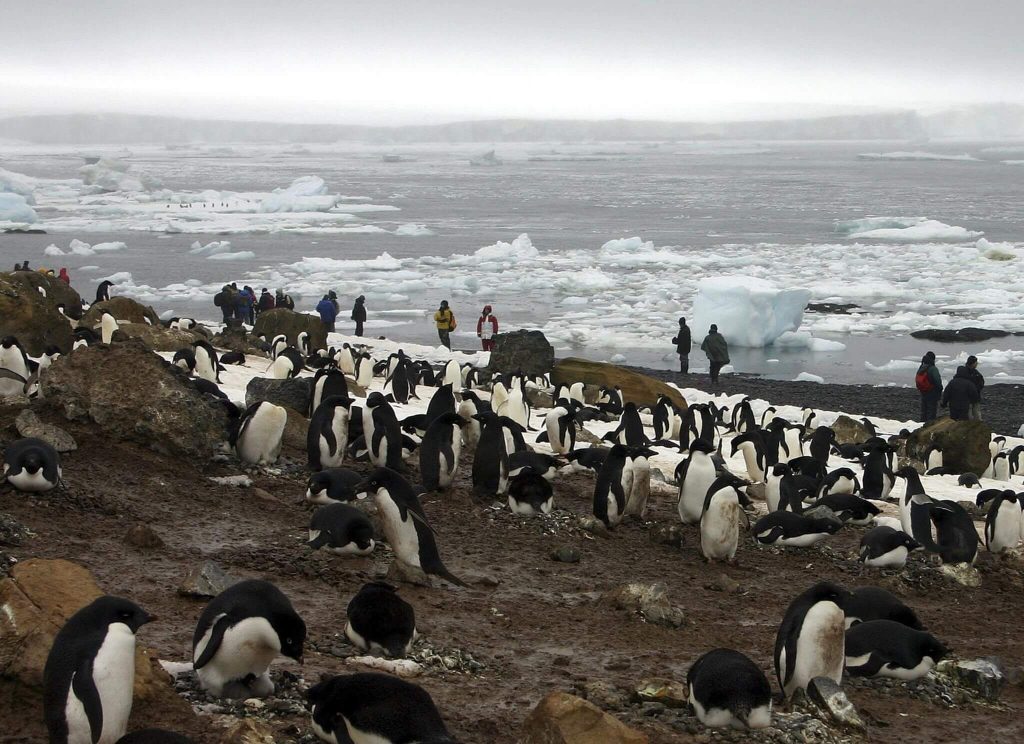 This horrible news that within a 4-year span thousands of penguin froze and starved to death is a grim illustration of the enormous pressure Antarctic wildlife is under. The effects of overfishing, oil drilling, deep-sea mining, pollution, and climate change have shown that humans are imperiling the sea and the animals that live there. All of us who live on this planet are the guardians of these environments and we must protect them because our fate and the fate of our oceans are intimately connected.
 Fortunately, governments from around the world agreed to start a process to protect them – an ocean treaty – although the treaty won’t be agreed until at least 2020. For now, a 1.5 million sq km area was protected in the Ross Sea in the Antarctic and the governments responsible for the Antarctic are discussing the future of the continent and its waters. If all goes well, they will create the largest ever protected area on Earth: an Antarctic Ocean sanctuary. The zone would be five times the size of Germany and include the Weddell Sea next to the Antarctic peninsula.
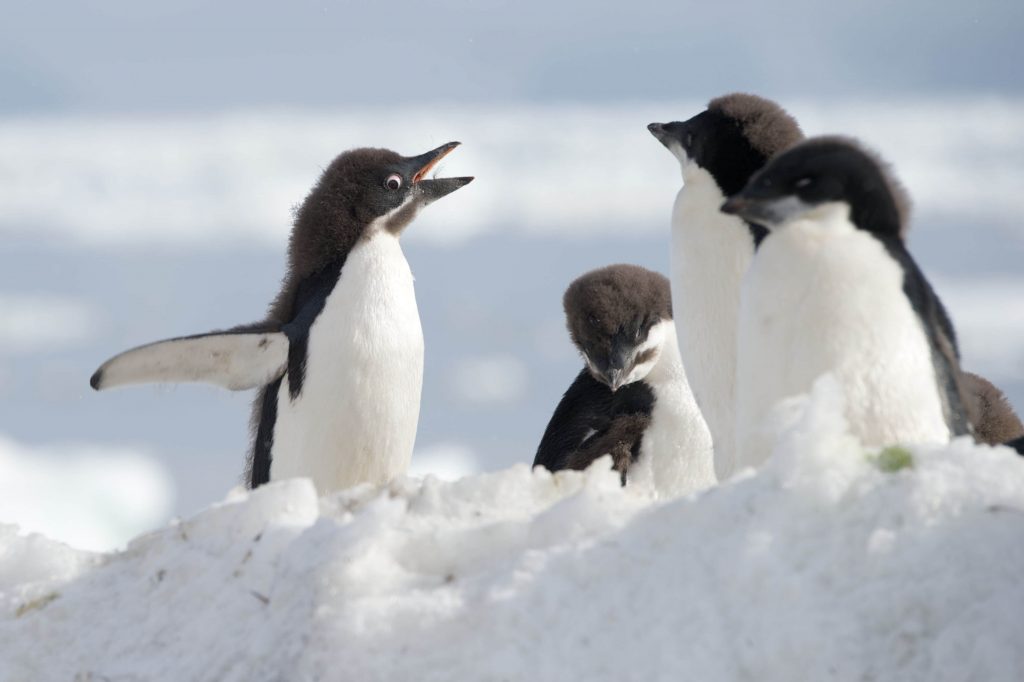
A big part of the problem is industrial fishing that targets krill. The Guardian reports:
The Antarctic is home to a great diversity of life: huge colonies of emperor and Adélie penguins, the incredible colossal squid with eyes the size of basketballs that allow it to see in the depths, and the largest animal on the planet, the blue whale, which has veins large enough for a person to swim down.
The creeping expansion of industrial fishing is targeting the one species on which practically every animal in the Antarctic relies: krill. These tiny shrimp-like creatures are crucial for the survival of penguins, whales, seals and other wildlife. With a changing climate already placing wildlife populations in the Antarctic under pressure, an expanding krill industry is bad news for the health of the Antarctic Ocean. Even worse, the krill industry and the governments that back it are blocking attempts at environmental protection in the Antarctic.
Over the next year we have the opportunity to create an Antarctic Ocean Sanctuary – the largest protected area on Earth – which would put the waters off-limits to the industrial fishing vessels currently sucking up the tiny shrimp-like krill, on which all Antarctic life relies. Sanctuaries encourage vital biodiversity, provide food security for the billions of people that rely on our oceans, and are essential to tackling climate change. Creating the world’s largest ever protected area, in the Antarctic Ocean, would be a signal that corporate lobbying and national interests are no match for a unified global call for our political leaders to protect what belongs to us all. The movement to protect over half our planet begins now, and it begins in the Antarctic.


