
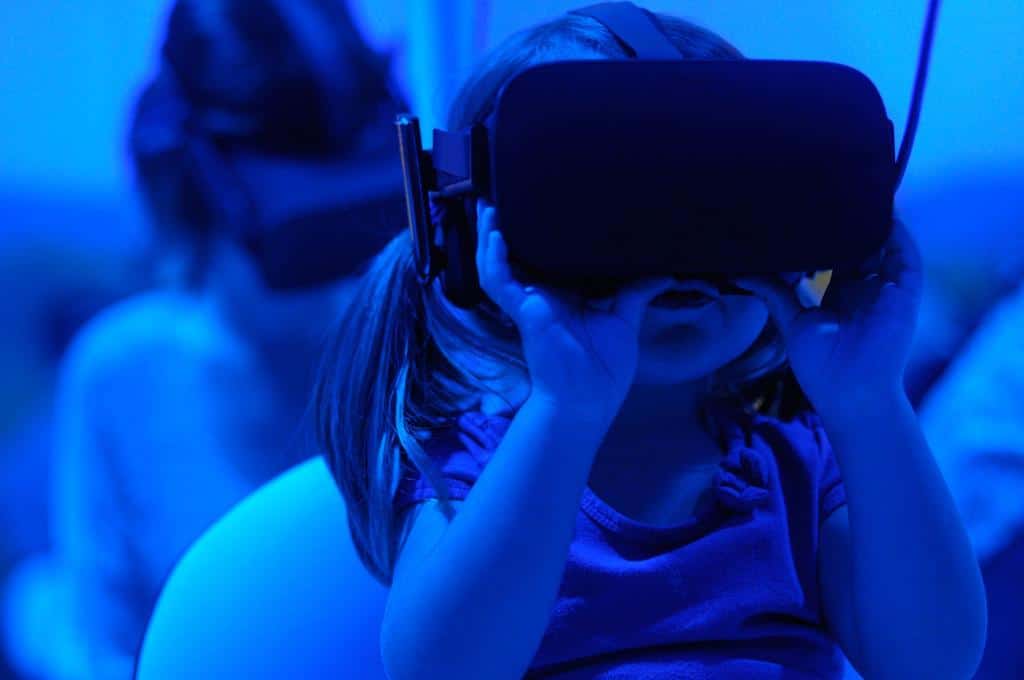
Virtual Reality (VR) has transcended the boundaries of gaming and entertainment, ushering in an era of immersive digital interaction. Among its burgeoning applications, VR streaming is a groundbreaking medium, allowing users to broadcast and share their virtual experiences in real time. This article explores the essentials of VR streaming for beginners, providing insights into mastering the art of virtual reality broadcasts.
What is VR Streaming?
VR streaming is a fusion of virtual reality technologies with live broadcasting. It enables content creators to share their VR gameplay, experiences, or excursions in real time with a global audience. This novel video transmission method is gaining popularity, with sites like Twitch and YouTube embracing VR content. Entering the world of VR streaming as a newcomer may initially seem intimidating. However, it can be a very rewarding experience with the correct information and tools.
Tools Needed for VR Streaming
The first essential requirement for VR streaming is a suitable VR headset. The market offers various options, including those from PICO, which range in terms of features and price points to cater to different needs. Choosing a PICO headset that aligns with your specific requirements and budget is important. A powerful computer with a high-performance graphics card is necessary to manage VR software and streaming tasks effectively. This is alongside the headset.
Social Accounts for VR Streaming
After installing the hardware, the following step is to select a streaming platform. Twitch, YouTube, and Facebook Live are popular options. Each platform has its own audience and features. Creating an account on these platforms is simple. They offer a variety of tools for customizing your stream, interacting with your audience, and even monetizing your video.

VR Streaming Software
Understanding the software needed for VR streaming is critical. To capture VR content and stream it to your preferred platform, you’ll need broadcasting software like OBS Studio or XSplit. These apps provide screen capture, scene transitions, and audio control, allowing you to create professional-quality streams. Setting up this software entails several steps. These include selecting the appropriate video and audio sources, tweaking parameters for best performance, and defining the structure of your feed.
Create Amazing VR Streaming Content
In VR streaming, content reigns supreme. As a starter, focusing on what you are enthusiastic about is critical. Your audience will feel your excitement, whether it’s through gaming, virtual tours, or creative material. Experiment with several sorts of content to see what works best for you and your audience. Remember that interacting with your audience via chat, replying to their comments, and creating a community around your content are all necessary for a successful VR stream.
Ensure Amazing Audio and Video Quality
The audio and video quality greatly influences the viewer’s experience. Investing in a high-quality microphone and ensuring that your VR headset’s camera catches clear footage is critical. Clear video helps express the immersive nature of your VR material, while good audio quality helps maintain audience engagement. Maintaining a solid internet connection is essential to avoid latency or delays throughout your stream.
Promote Your VR Stream
It is critical to promote your VR stream to attract people. Use social media to publicize your streaming schedule, share highlights from your streams, and interact with your audience. Collaborating with other VR streams might also help you reach new audiences and broaden your reach.
Stay Up-To-Date on VR Trends
Maintaining current knowledge of the newest VR trends and technologies is critical for long-term success in VR streaming. The virtual reality business is rapidly growing, publishing new games, experiences, and updates daily. Keeping up with these trends can give your streams new content while keeping your audience engaged.
Adhere to Ethical Guidelines
In VR broadcasting, ethical considerations and viewer safety are equally crucial. It is important to ensure that your content follows the streaming platform’s requirements and is appropriate for your intended audience. Additionally, it is important to remember VR’s physical and psychological effects on viewers, especially when broadcasting powerful or confusing content.

VR Technology is Always Improving
Advancements in VR technology are enhancing VR streaming’s potential, particularly through mixed reality (MR). MR combines virtual and real elements, creating a hybrid experience that enriches viewer engagement and storytelling dynamics. This approach requires extra equipment like green screens and MR cameras but unlocks new creative avenues for VR broadcasting.
VR Streaming and Audience Interaction
Audience interaction in VR streaming offers a new level of engagement. Unlike traditional streaming, where viewers interact through chat, VR allows for more immersive interaction. Future advancements in VR may bring about exciting changes. These developments could enable viewers to modify the VR environment in real-time or participate virtually. Such enhancements could enhance the experience and make streams more engaging and unique.
User-Friendly VR Tech
Accessibility is a key driver in the evolution of VR streaming. As VR technology becomes more affordable and user-friendly, more people can create and consume VR content, fostering content innovation and expanding the viewer base. Additionally, VR streaming’s growing role in education and training offers immersive learning experiences that were once unattainable.

VR Streaming is The Future
To sum up, VR streaming is a dynamic and evolving platform that merges real and virtual worlds, providing distinctive experiences for both streamers and viewers. The future looks promising, with advancements in mixed reality, increased audience engagement, and greater accessibility of VR technology.
For beginners, it offers a continuous learning and innovation journey, promising significant creative rewards and an opportunity to be at the forefront of the digital revolution. As the boundaries of virtual spaces expand, VR streaming serves as a powerful example of how technology can revolutionize our interaction, entertainment, and education methods.


