
Lighting plays a functional role in the design of your home, but more important than that is the fact that what lights are picked can change the feeling of a room. Picking light fixtures for your home can be stimulating or daunting.
How do you ensure the lights throughout your house match each other but still fulfill the specific needs of different rooms? This ultimate guide will help you through the process from planning to final selection.
1. Start with a Whole-Home Inventory
Before plunging into the universe of chandeliers and pendant lights, take a systematic approach to your home’s lighting needs:
Room-to-Room Analysis
You need to walk through each room in your home and decide where to add a new fixture. Don’t forget the hallway, closet, or even outdoor space.
Types of Fixture
On a location basis, Decide the type of fixture that will be suitable out of items like:
- Chandeliers
- Pendant lights
- Flush mounts
- Semi-flush mounts
- Wall sconces
Ceiling Height Considerations
If your ceilings are 8 feet or lower, you may be limited to flush or semi-flush mounts in many areas. This limitation can help in narrowing your selection. For a more streamlined and modern profile, canless recessed lighting can provide an unobtrusive solution that works well with lower ceilings. This type of fixture also eliminates the need for bulky housing and offers cleaner aesthetics throughout your space.
Electrical Work
Determine where to install or relocate the soffit or junction boxes. This is most relevant to wall sconces or island pendants.
2. Define Your Style Direction
Before you start shopping, you must have a sense of the overall look you’re going for.
Use Pinterest and Instagram
Create boards or save images based on your design style. This visual reference will be convenient when you choose individual fixtures.
Analyze Key Style Elements
Look for a theme that corresponds to the images saved. Are you drawn to modern minimalism, rustic charm, or eclectic designs?
Consider Home Architecture
Your lighting should fit into the design style of your home.
3. Choose a Cohesive Metal Finish
Now, you can mix metal up for a cool look. But holding firm to one finish is a surefire way to have cohesion in your home:
- Popular Finishes: Polished nickel, brushed nickel, chrome, brass, bronze, and matte black.
- Finish Consistency: If you choose nickel, decide if you want it brushed or polished and do it the same everywhere in the house.
- Beware of Variations:
- Black finishes can range from true black to oil-rubbed bronze.
- Polished nickel and chrome are both in a silver family, but each has a different undertone (either warm or cool) and should not be used together.
4. Seek Complementary Design Elements
To create a harmonious look throughout your home, look for fixtures that have complementary design elements:
Line and Form
If the lines in your dining room chandelier are softer and full of curves, take a hint from these lines and look for other fixtures with the same line tendency.
Scale
The size of your fixture will be related to the size of the room and the other fixtures.
Materials
Using the same materials repeatedly — glass, wood, fabric shades, etc. — makes the separate fixtures feel more cohesive.
5. How to Balance Statement Pieces with Subtle Choices
While it’s tempting to go all out with showstopping fixtures in every area of the house, the more prudent take is usually better:
- Focal Points: Consider one or two places for dramatic statements, like a dining room or an entryway.
- Supporting Cast: In other areas, opt for more understated fixtures that complement rather than compete with your statement pieces.
6. Consider Functionality
Aesthetics are important, but don’t forget about the practical aspects of lighting:
- Task Lighting: Ensure that work areas like kitchen counters and home offices have adequate, focused lighting.
- Ambient Lighting: Flexibility could be incorporated with the inclusion of dimmers in living spaces to allow adjustments to the light level.
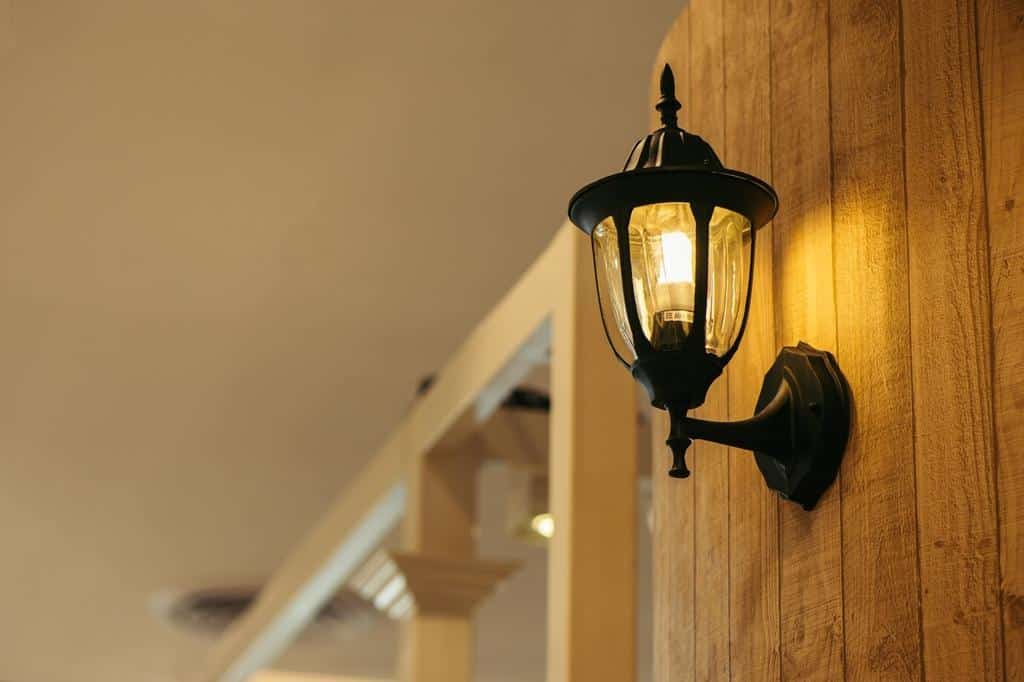
- Accent Lighting: Wall sconces or other directional lights can be included to highlight architectural features, wall hangings, or other room features.
- Portable Lighting: Task, ambient, or accent lighting can be used as a source of portable light.
7. Plan for Different Levels of Light
Lighting in a well-illuminated space is generally layered on several levels.
- Overhead Lighting: Direct lighting should be sought after for generalized illumination, and it can be from devices like chandeliers, pendants, or flush mounts.
- Mid-Level Lighting: Wall sconces and tall floor lamps provide depth and interest.
- Low-Level Lighting: Table lamps and under-cabinet lights offer focused task lighting and create a cozy atmosphere.
8. Don’t Overlook Natural Light
As you consider the lighting design inside your space, think about how artificial and natural light will interact:
South-Facing Rooms
This cardinal direction will probably get good natural light so that they can get by with fewer artificial light sources for the space during the day.
Rooms that are North-facing
This room typically needs more light because light cannot compensate for the lack of natural light.
East and West Exposure Rooms
Consider the characteristics of the daylight and how changes in illuminance would take place.
9. Design for your Lighting Plan
After purchasing any item you see, you should never do so until you come up with a proper lighting scheme:
- Visualize Your House: Make an outline drawing of your room and mark the fixtures’ placement.
- List Fixture Types: List the fixture you plan to use in each space.
- Specify Finishes: Specify a metal finish for each fixture to make them coordinate.
10. Shop Smart
You are ready to go out and see products with your Action Plan:
- Visiting Showrooms: There is no substitute for viewing fixtures directly. If you are in Alberta, check out light fixture stores in Edmonton for a wide selection and expert advice.
- Online Research: Compare pricing and read reviews online at websites and online retailers.
- Look for Fixtures: They are compatible with LED lamps – saving on energy costs in the long term.
- Check Dimensions: Be sure to measure your available spaces – before purchasing — and verify fixture size.
11. Test Before You Buy
Before fixtures are placed within your living areas:
- Try Before You Buy: Where possible, try a sample home to see how it looks in your actual space.
- Use Technology: Many retailers and manufacturers offer augmented reality apps for visualizing fixtures in your home.
- Consider Light Temperature: Be mindful of the bulbs’ warmth or coolness, and try to stick with one for continuity.
12. Be Flexible
While planning is critical, remain open to adjustments:
- Unexpected Finds: You’ll find the perfect fixture, but if it doesn’t fit anywhere in the original plan, be open to revising it in the plan – if it truly is the perfect thing.
- Budget Constraints: If you fall in love with an expensive fixture, you should be ready to alter the budget for the rest of your fittings.
- Phased Approach: In case of budget or time constraints, the lighting can be done in a phased manner, starting with the critical areas.
Improve Your Home with Well-Coordinated Light Fixtures
Choosing coordinating light fixtures is crucial for any home’s whole-house lighting design, balancing aesthetics with functionality and cohesiveness.
Remember, lighting is both an art and a science. So, don’t shy away from soliciting advice from lighting fixture experts in Edmonton, like Dhillon Lighting. They have a lot of insight and can help guide you through the maze of options.
The result would be a well-lit home where every room gracefully slides into the other, appearing as one coherent entity with appropriate lighting fixture equipment.
Keeping all these tips in mind, you are indeed on the path to illuminating your space as impeccably and professionally as possible.

