
In the hustle and bustle of modern life, finding the right storage solution can be a game-changer. Whether you’re downsizing, decluttering, or simply needing extra space, the right storage option can provide peace of mind and practicality. But with so many choices available, how do you determine which one best suits your needs?
This guide will help you explore various storage solutions, evaluate their benefits, and make an informed decision to keep your belongings safe and organized.
Understanding Your Storage Needs
Before jumping into the various storage options, it’s essential to assess your specific needs. Ask yourself:
- What items are you storing?
- How long will you need storage?
- Do you need frequent access to your belongings?
These questions will help you narrow down your choices and find the most suitable storage solution.
What Items Are You Storing?
The type of items you plan to store significantly impacts your storage decision. For example, delicate items like antiques, important documents, or electronics may require climate control, while sturdy furniture and seasonal decorations might not need such conditions.
Duration of Storage
Consider how long you will need to store your items. Short-term storage solutions might differ from long-term ones, particularly regarding cost and accessibility.
Accessibility Needs
If you need to access your belongings frequently, you’ll want a storage solution that’s conveniently located and easy to reach. Conversely, if you don’t need regular access, you might prioritize security and cost over convenience.
Types of Storage Solutions
There are several types of storage solutions to consider, each with its unique benefits and drawbacks. Let’s explore the most common options:
Self-Storage Units
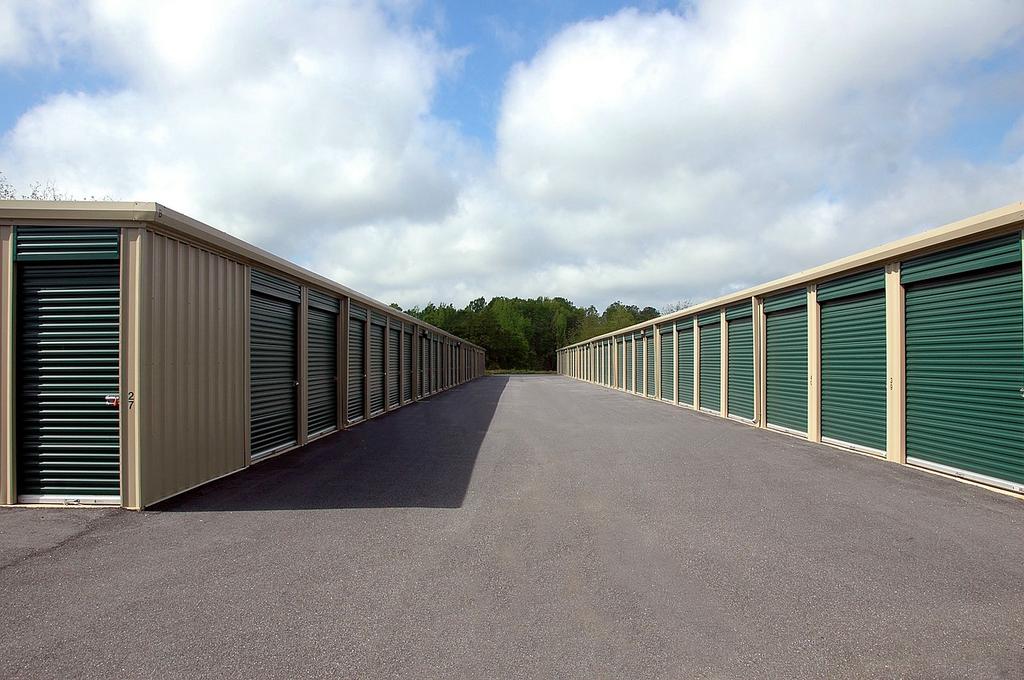
Self-storage units are a popular choice for individuals and businesses alike. These units come in various sizes, allowing you to choose one that fits your needs.
Benefits:
- Flexible rental terms
- Variety of sizes
- Often include security features such as cameras and individual locks
Drawbacks:
- May require transportation of items to and from the unit
- Limited climate control options
Portable Storage Containers
Portable storage containers offer the convenience of having a storage unit delivered to your location. You can pack it at your own pace, and once you’re done, the company will pick it up and store it at their facility or deliver it to your new location.
Benefits:
- Convenience of on-site storage
- There is no need to transport items to a storage facility
- Ideal for moving and remodeling projects
Drawbacks:
- Limited space compared to traditional storage units
- May have additional delivery and pick-up fees
Full-Service Storage
Full-service storage companies handle everything for you, from picking up your items to storing them in a secure facility. They often offer inventory management, so you know exactly what’s in storage and can request specific items to be delivered when needed.
Benefits:
- Hassle-free storage experience
- Professional handling and packing of items
- Inventory management for easy access
Drawbacks:
- Higher cost compared to self-storage
- Limited control over access to your items
Factors to Consider When Choosing Storage
When evaluating storage options, consider these key factors to ensure you make the best decision:
Location
The location of your storage facility is crucial, especially if you need frequent access to your items. Choose a facility that’s conveniently located to save time and transportation costs.
Security Features
Security should be a top priority when selecting a storage solution. Look for facilities that offer:
- 24/7 surveillance cameras
- Secure locks and gates
- On-site security personnel
Cost
Cost is always a factor, but it shouldn’t be the only consideration. Compare prices across different storage options and balance them with the services and features offered. Be sure to inquire about any hidden fees or additional charges.
Explore if The Storage Has AC
In some cases, climate control can be a critical feature for your stored items. Ensure you know whether the storage option you’re considering has air conditioning or heating capabilities.
So, if you’re looking for air conditioned storage in San Antonio, it becomes crucial to check if the facility offers this feature to protect your belongings from extreme temperatures.
Climate-controlled units are particularly beneficial for items sensitive to temperature and humidity changes, such as electronics, artwork, and essential documents.
Benefits of Climate-Controlled Storage
Climate-controlled storage units offer several advantages, ensuring your items remain in optimal condition:
1. Protection from Temperature Extremes:
Extreme heat or cold can damage sensitive items. Climate control maintains a stable temperature, protecting your belongings.
2. Humidity Control:
High humidity levels can lead to mold and mildew growth. Climate-controlled units regulate humidity to prevent these issues.
3. Enhanced Security:
Facilities offering climate control often have advanced security measures, providing additional protection for your items.
How to Pack for Storage
Packing your items properly ensures they remain in good condition while in storage. Here are some tips for adequate packing:
Use Quality Packing Materials
Invest in sturdy boxes, bubble wrap, and packing tape to protect your items during transport and storage. Avoid using plastic bags, as they can trap moisture and lead to mold growth.
Label Everything
Clearly label all your boxes with their contents and the room they belong to. This will make it easier to find specific items when needed and streamline the unpacking process.
Disassemble Large Items
Disassemble furniture and oversized items to make them easier to store and reduce the risk of damage. Keep all screws and small parts in labeled bags attached to the item.
Maximizing Space in Your Storage Unit
Efficiently using the space in your storage unit can help you fit more items and save money. Here are some strategies:
Stack Strategically
Place heavier items and boxes on the bottom and lighter, more fragile items on top. Sturdy shelving units can help organize and maximize vertical space.
Create Aisles
Leave aisles between rows of boxes and furniture to make it easier to access your belongings without having to move everything around.
Use Uniform Boxes
Using boxes of the same size and shape makes stacking more accessible and more stable, helping you make the most of your storage space.
Conclusion
Finding the right storage solution requires careful consideration of your needs, the types of storage available, and the features offered by different facilities. By understanding your storage requirements and exploring various options, you can make an informed decision that ensures your belongings remain safe and accessible.

