
Lemongrass is an Asian perennial plant with thin, long leaves. Lemongrass has a lemon-like aroma, but it has a gentler, sweeter flavor. Growing lemongrass in your garden is a great idea. This lemony ornamental grass looks fantastic in the yard and may also be used inside your home, kitchen, and even on your pet. You may be seeking methods to use your lemongrass if you’ve decided to grow your own. Many gardeners who cultivate this herb for its mosquito-repellent powers are pleasantly surprised by its versatility.
Benefits of Lemongrass
Lemongrass is high in nutrients, including Vitamins A and C, folate, folic acid, and magnesium, and treats various diseases and ailments. As a result of its diuretic qualities, it detoxifies the body by removing toxic wastes. In addition, lemongrass has anti-hypercholesterolemic and anti-hyperlipidemic properties, which help maintain normal cholesterol levels.
It is beneficial in curing numerous malignancies while causing no harm to the body’s healthy normal cells. It may also aid in lowering inflammation levels due to the antioxidants it contains. And to top it off, this herb also helps relax, relieve stress, and cure insomnia!
Lemongrass benefits can be obtained by cooking with it, drinking lemongrass tea, or using a lemongrass-based therapeutic balm.

Culinary Uses for Lemongrass
Lemongrass is an excellent way to give your food a hint of lemon flavor. A little goes a long way when adding this herb to a meal, just like chives. Lemongrass should be coarsely chopped or removed from the dish before serving because of its woody texture.
1. One of the best ways to use lemongrass is to add a touch of flavor to your rice. You can accomplish this by finely chopping it and tossing it over the rice after it’s cooked or by placing it in a muslin sack and tossing it in with the rice before cooking.
2. Due to its strong flavor, lemongrass is used as a seasoning in various Asian cuisines. Its citrus undertones add flavor and depth to curry paste and stir-fried veggies.
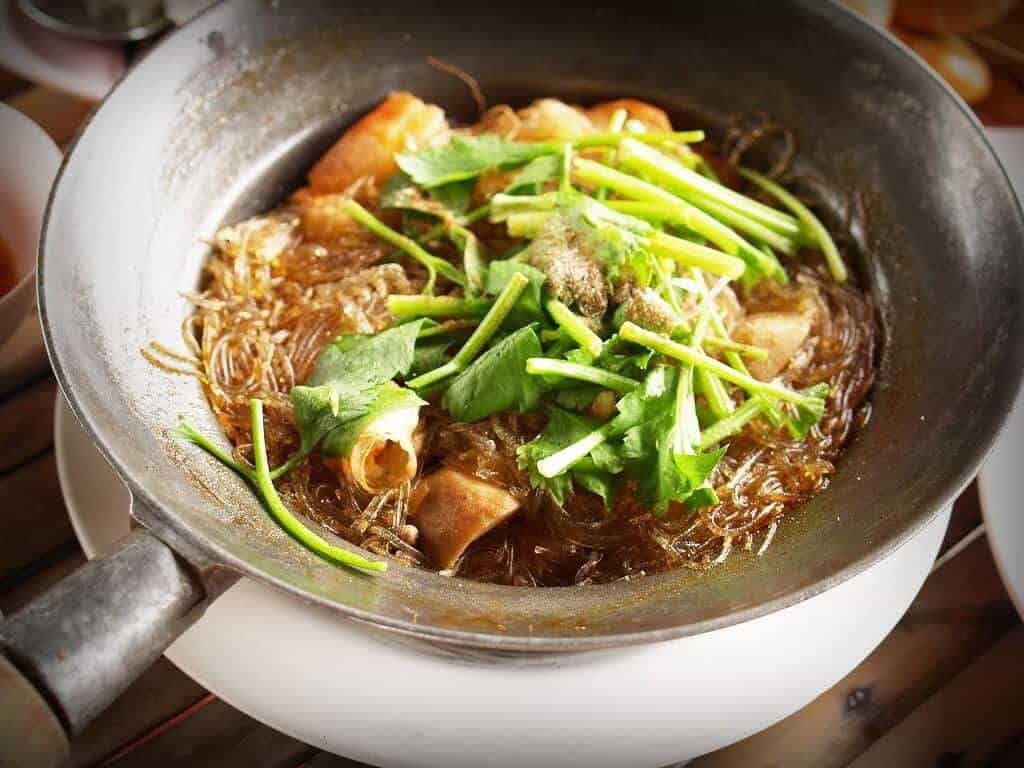
The recipe below is for a traditional Thai paste made with fresh green herbs and spices. Lemongrass is one of the primary ingredients used in Thai curries since it lends flavor to many veggies. This paste can make Thai fried rice or table-top Thai curries.
How to Make Green-Curry Thai Paste:
Ingredients:
- One and a 1/2 Tbsp of chopped green chilies
- 1 Tbsp of roughly chopped garlic
- 1/2 cup of roughly ginger
- 1 cup of chopped dhania
- 1/2 tsp of grated lemon
- 1 Tbsp dhania powder
- 1 Tbsp of cumin seeds
- 1/2 cup of chopped lemongrass
- Salt and pepper to taste
Combine all of these ingredients with ¼ cup of water in a mixer. Blend it thoroughly. Store in an airtight container in the fridge. Then, you can use it as and when required, and it should last about two weeks to a month.
3. Toss lemongrass into your favorite dishes for a unique twist. Lemongrass is a popular ingredient in stews and soups. To add a hint of lemongrass flavor, add a stalk or two of lemongrass with the outer leaves cut and removed before serving.

4. Fresh lemongrass may add a delicious note to chicken and fish meals. For a delightful change from the norm, add to marinades or sprinkle over while sautéing. This is useful if you want a more subtle flavor than fresh lemon juice.
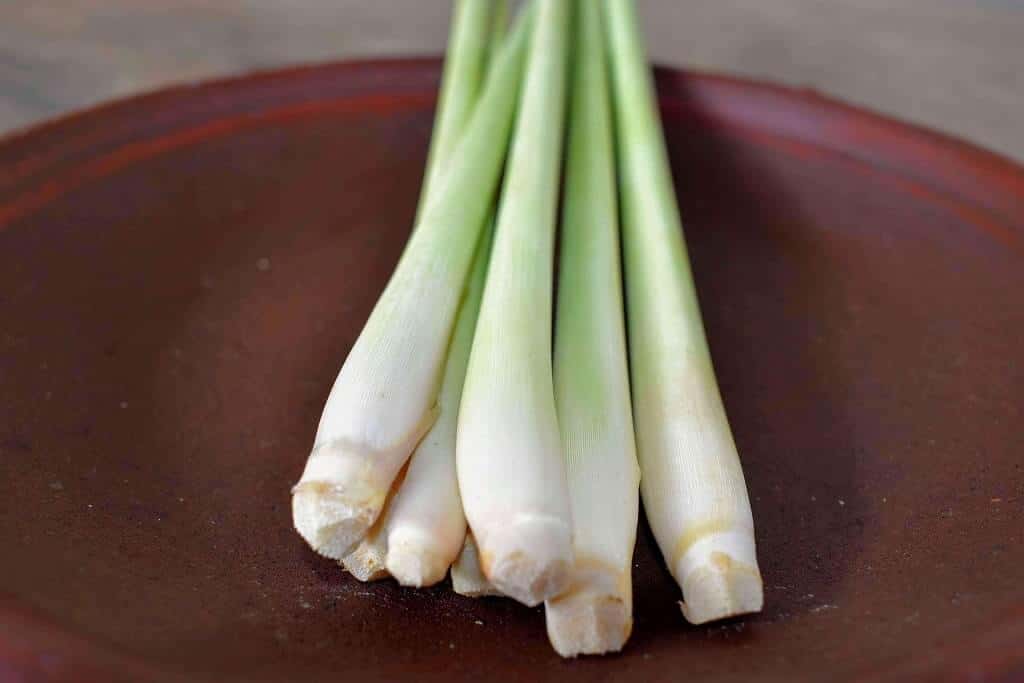
5. Lemongrass can add a citrus punch to salads. However, first, remove the woody outer leaves to reveal the tender middle. Next, cut down to the soft core of the stalk, where you find the bulb in the bottom 3-4 inches. Crush this and coarsely chop to toss over salads.
6. Hot lemongrass tea is exceptionally relaxing. Lemongrass adds a hint of lemon flavor to green tea and most other herbal teas without the need for lemon juice. Lemongrass is also used in the immune-boosting Ukado tea, a traditional home remedy in Gujarat, India, for indigestion and sore throat.
Lemongrass tea tastes better when made using the leaves rather than the woody base commonly used in cooking.
How to Make Ukado:
Ingredients:
- 1 cup of milk
- 1/4 cup of chopped lemongrass
- 2 Tsp of grated ginger
- 1/4 cup of mint leaves
- 1 Tbsp of sugar
Combine these ingredients with 2 cups of water in a saucepan and cook on a medium flame for 5 minutes while stirring occasionally. Finally, strain the mixture and serve warm.
7. Lemongrass has a subtle citrus flavor that works well in simple flavored syrups for beverages and cocktails. This invigorating syrup adds a unique flavor to everything from adult cocktails to iced tea.
How to Make Lemongrass Ice Tea:
Ingredients:
- 2 cups of water
- 1/4 cup of sugar
- 1/4 cup of lemongrass
- 2 Tsp of tea powder
Combine these ingredients in a deep non-stick pan. Mix well and cook on a medium flame for 6 minutes while stirring occasionally. Next, strain the tea into a deep bowl. Let it sit until it has cooled down completely. Finally, add ice cubes and a lemon slice to the glass before serving, pour the lemongrass tea mixture into the glass, stir it well, and serve immediately.
Uses for Lemongrass Around the Home
Lemongrass is perhaps most recognized for its ability to repel insects and ticks. This makes it a fantastic alternative for usage in your home, but there are several other terrific uses.
8. Lemongrass contains citronella oil, which repels mosquitoes. Making homemade mosquito repellant with lemongrass is relatively simple. Watch the short video below to learn how to make it.
9. If you don’t want to smell like lemongrass and garlic or are outside with a group of friends, place a pan of water with lemongrass over your fire pit or on your grill. This is an excellent way to spread the aroma around a larger zone to help repel insects. Similarly, you can throw handfuls of lemongrasses, dried or fresh, into bonfires to help deter mosquitoes.
10. Toss lemongrass into a pot with water and let it simmer. This will release the plant’s natural essential oils, filling your home with a calming and stress-reducing aromatherapeutic fragrance. Sip lemongrass tea while smelling those healing aromas for an added effect!
11. Lemongrass can also be used to make a flea-repelling dog rinse. While you shouldn’t feed your dog significant amounts of lemongrass since it, like any other grass, can cause problems, it is generally safe to use around and on your dog. (Be sure to double-check with your veterinarian!) A fantastic way to do this is by boiling a few cups of water with a handful of lemongrasses. Then, let it sit until the water is cold to the touch. Next, strain this mixture and fill it in a spray bottle. Then, use it as a rinse or spray after washing your dog. This lemongrass rinse will smell great and help repel insects for a few days.
12. Lemongrass oil is packed with antimicrobial, antidepressant, antipyretic, antiseptic, analgesic, bactericidal, and astringent properties, making it beneficial. Lemongrass oil is extracted by steam distilling dried lemongrass. It’s a well-known therapy for muscular and joint problems, wound healing, depression relief, and inhibiting microbial/bacterial growth in the body. It is very easy to make and can be done at home as a bonus. Watch the following video to learn how to make lemongrass oil at home.
13. Lemongrass can be used to polish furniture. Here’s How:
- Heat one cup of mineral oil or linseed oil to a light simmer.
- Add in 1/2 cup dried lemongrass.
- Allow the oil to simmer for 10 minutes.
- Remove from the heat and set aside to cool.
- After the oil has cooled, drain it and use it as furniture polish to refresh and shine your furniture while leaving behind a mildly sweet aroma.
Uses for Lemongrass in the Garden
14. Growing lemongrass around the patio, pool, and areas with the most foot traffic can help ensure that you and your guests won’t get attacked by mosquitos. Growing near entryways can help prevent mosquitoes from flying into your home.
Storing Lemongrass
The stalks can be stored in the fridge for up to two weeks if wrapped in cling wrap. Lemongrass also freezes exceptionally well. Whole stalks can be frozen and used whenever needed.


