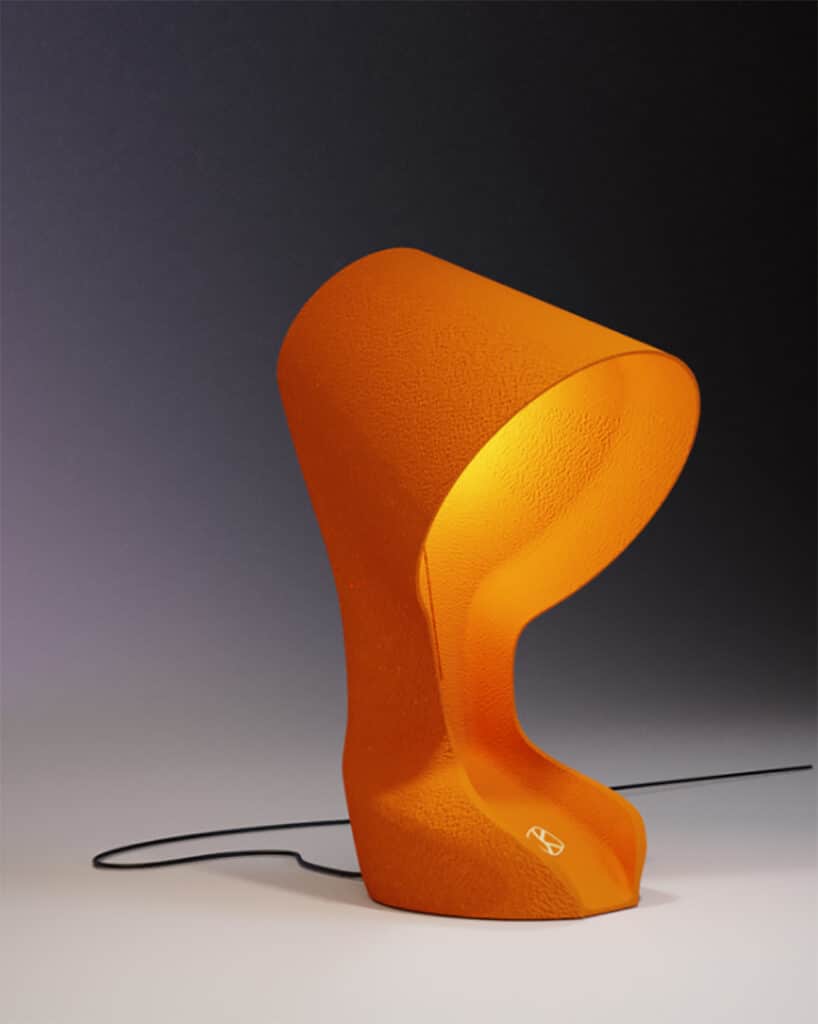
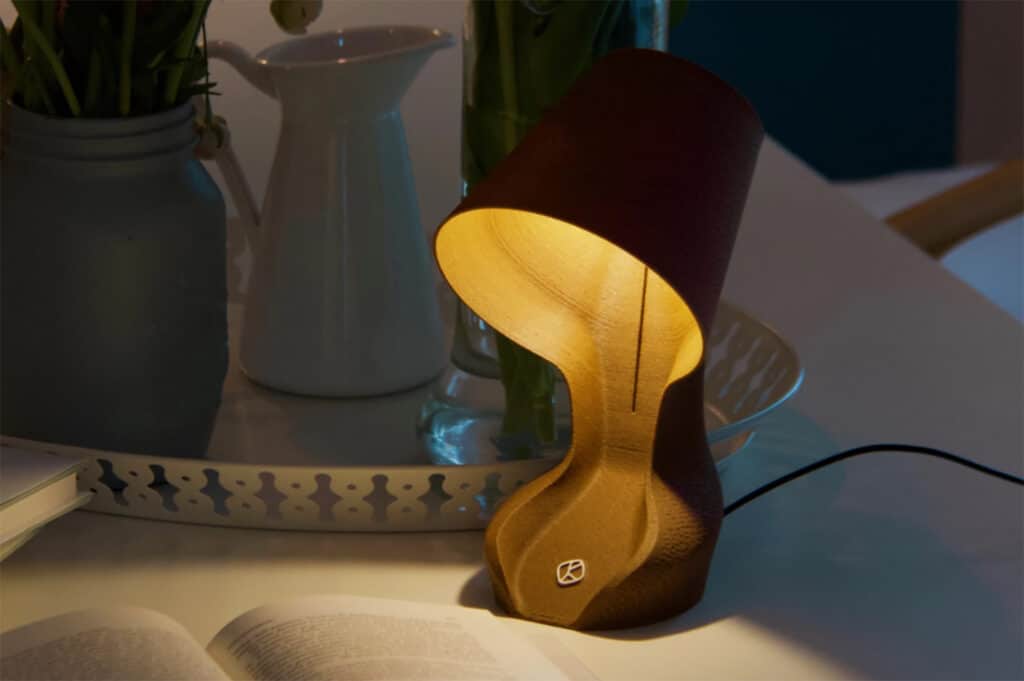
Milan-based startup Krill Design gives orange waste a new life with its compostable, 3D-printed Ohmie lamp made from orange peel waste from the food industry.
Each lamp contains the peels of a couple of Sicilian oranges. The peels are dried, pulverized, then mixed with a plant-derived biopolymer. Krill hasn’t stated exactly what kind of biopolymer, though; it could be polylactic acid (PLA).


In 2019, Italian design firm Carlo Ratti Associati combined dried and milled orange peels with PLA to produce 3D-printed cups. These were printed in an incredible orange juice bar that served freshly-squeezed orange juice in the freshly printed cups, a prime example of a zero-waste circular economy. The juicer is 10-feet tall and topped with a massive dome comprised of many helical racks holding up to 1,500 oranges. A 3-D printer is installed at the machine’s base.
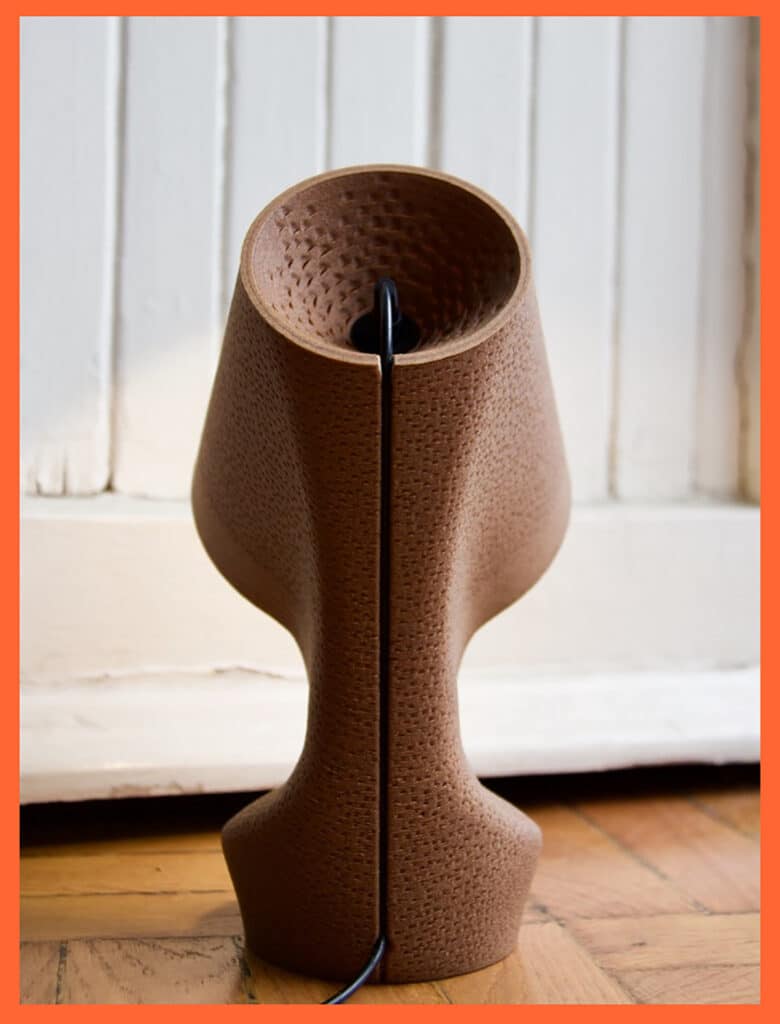
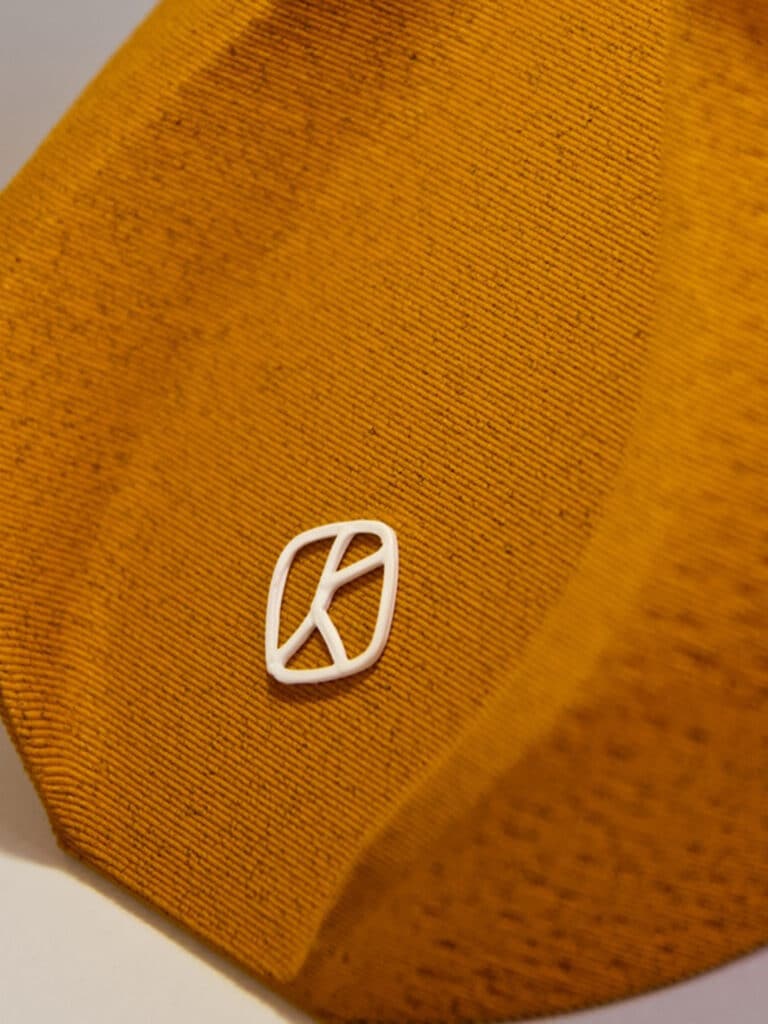
In the Ohmie lamp’s case, the orange-peel/biopolymer mix is squeezed out into the form of a filament, which is used in a fused deposition modeling 3D printer to build the lamp’s main body. That body consists of one continuous filament strand – laid down in consecutive layers, in a spiraling, orange peel-inspired pattern.


Each lamp is equipped with a dimmer switch, an LED bulb that outputs 70 to 90 lumens, and a USB-plug power cord. It stands 9 in tall (23 cm) and weighs 5.3 oz (150 grams).
The lamp’s color is enhanced with natural food dyes. The finished product has an actual orange peel texture, and the startup claims it even smells like orange cookies too! When you decide you want to throw it away, its body is compostable.

Should you be interested in the Ohmie lamp, it’s currently the subject of a Kickstarter campaign. If all goes well and it reaches production, a pledge of about US$85 (€72) will get you one, while the planned retail price is $117 (€99).