
The reduction in London’s air pollution since Sadiq Khan became mayor is dramatic. It has plunged 94% for people living in areas with illegal nitrogen dioxide (NO2) levels. The improvement proves that the air pollution crisis isn’t intractable.
An air pollution expert from Imperial College London, Dr. Gary Fuller, said:
Breathing bad air has had an intolerable impact on Londoners’ health for far too long [but], starting around 2016, London’s air pollution underwent a dramatic change. The changes in NO2 in central London and along main bus routes were some of the fastest that we’ve ever measured in 30 years of monitoring. These successes show that our city’s air pollution is not an intractable problem.
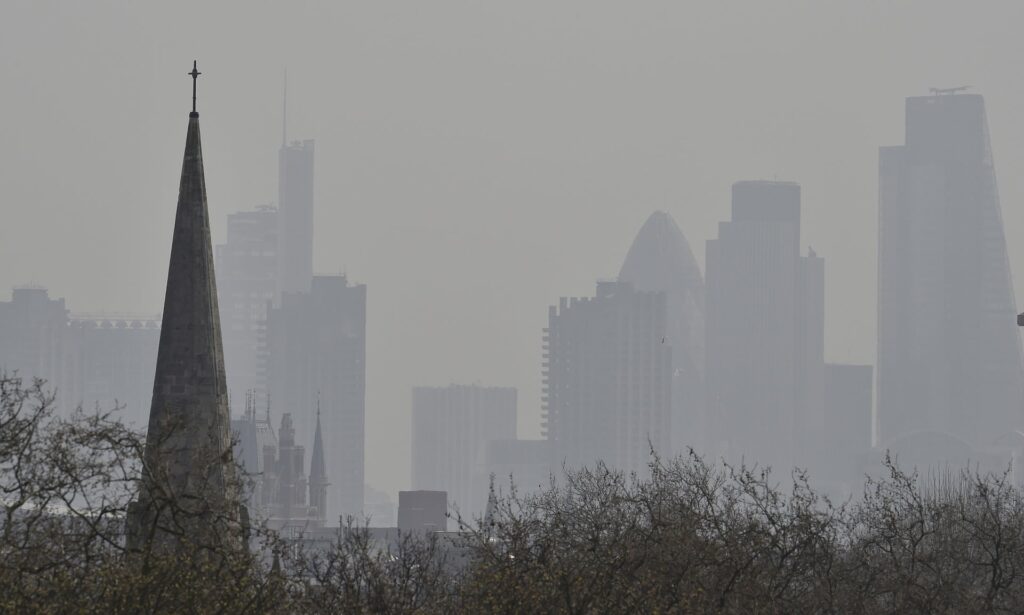
In 2015, over 9,000 people died early in the capital due to dirty air. In 2016, over two million people there lived with polluted air. By 2019, that number fell to 119,000. Levels of NO2 by roads in central London dropped 44% from 2017 to 2020. These numbers are from a report written by the mayor, then reviewed by scientists.
Khan said:
Today’s report confirms the transformative impact that my policies have had on our toxic air crisis. I’m pleased that Londoners are breathing cleaner air and that we’re saving the NHS billions of pounds. However, air pollution remains a major public health challenge, and it’s time for the government to step up. We can’t sleepwalk from the health crisis of COVID back into complacency over the major impact of toxic air on everyone’s health.
Dirty vehicles have been subject to a fee if they enter the city center or the ultralow emissions zone (Ulez). The move has pushed people to use cleaner vehicles, resulting in pollution cuts. The Ulez began in 2017. There are now 44,000 fewer dirty vehicles driving through central London daily because of it.
Some other contributing measures include ending the licensing of new diesel taxis, putting low-emission buses on the dirtiest routes, and extending the amount of protected space for cycling.
And while this may seem like fantastic news, 99% of London still has particle pollution levels higher than the World Health Organization’s recommended limits. Diesel vehicles are mostly to blame. Therefore, the mayor is expanding the Ulez to cover all of inner London as of October 2021.

Prof Stephen Holgate, an air quality special adviser to the Royal College of Physicians, said:
I am looking forward to seeing the ultralow emission zone cover a far greater area with the knowledge that so many more people will benefit. Air pollution is a scourge on society, especially harming the young and old. What the mayor of London has shown in his first term is that major reductions in toxic pollutants can be achieved and that businesses and the public are willing to make the necessary changes to deliver this.
There is growing evidence that air pollution worsens coronavirus infection and death rates. Furthermore, dirty air is the most significant environmental risk to health, potentially damaging every organ and even mental health. Fortunately for Londoners, the mayor says the whole city is on track to meet legal levels by 2025. The pollution cuts will have enormous benefits for everyone living there.


