
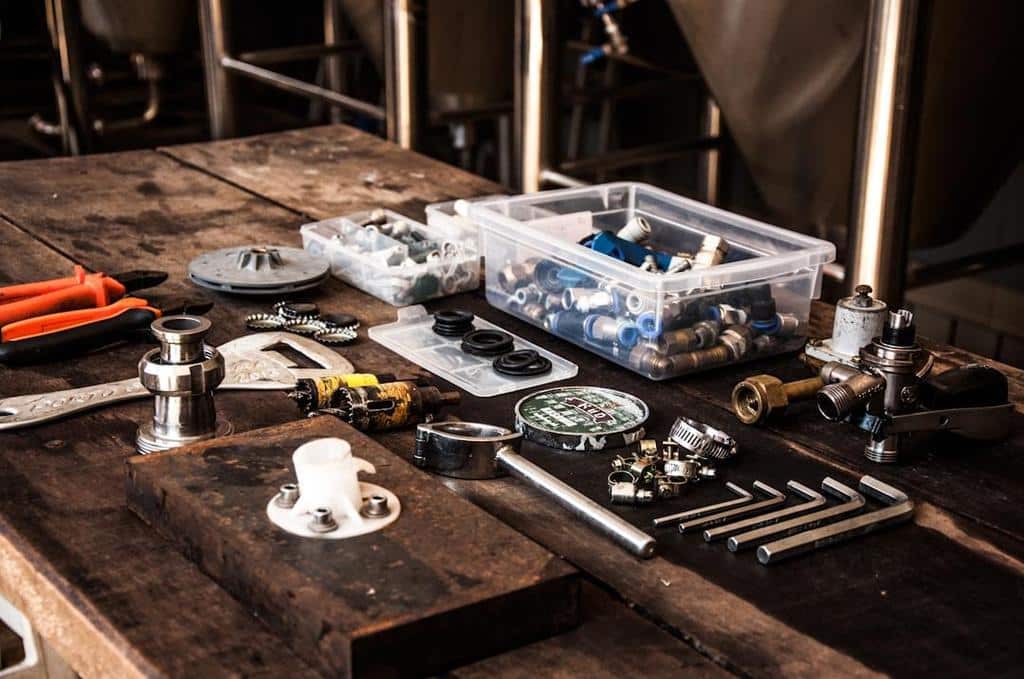
Engaging customers effectively is a cornerstone of successful plumbing businesses. Creating strong relationships with clients not only fosters loyalty but also encourages repeat business and positive word-of-mouth referrals. To achieve this, plumbing companies can implement various strategies aimed at enhancing customer interaction and satisfaction.
Enhancing Customer Engagement for Plumbing Businesses
Leveraging digital communication platforms is vital for plumbing businesses to maintain regular contact with customers. Utilizing social media, email newsletters, and online chats allows companies to provide helpful tips, industry updates, and preventive maintenance reminders, ensuring their services remain top-of-mind. Encouraging customer feedback through these channels not only highlights the value of client opinions but also guides businesses in identifying areas for improvement.
Personalized service plays a crucial role in enhancing customer satisfaction. By understanding their clients’ unique needs, plumbing companies can tailor their services, such as through follow-up calls after service completion. Incorporating educational content, like maintenance guides and troubleshooting tips, empowers customers and establishes plumbing businesses as trusted authorities. Additionally, community engagement initiatives, such as local events and workshops, help strengthen connections and build brand loyalty. Collectively, these strategies can lead to improved client relationships, increased trust, and sustainable growth in a competitive market.
Sourcing Affordable Materials without Compromising Quality
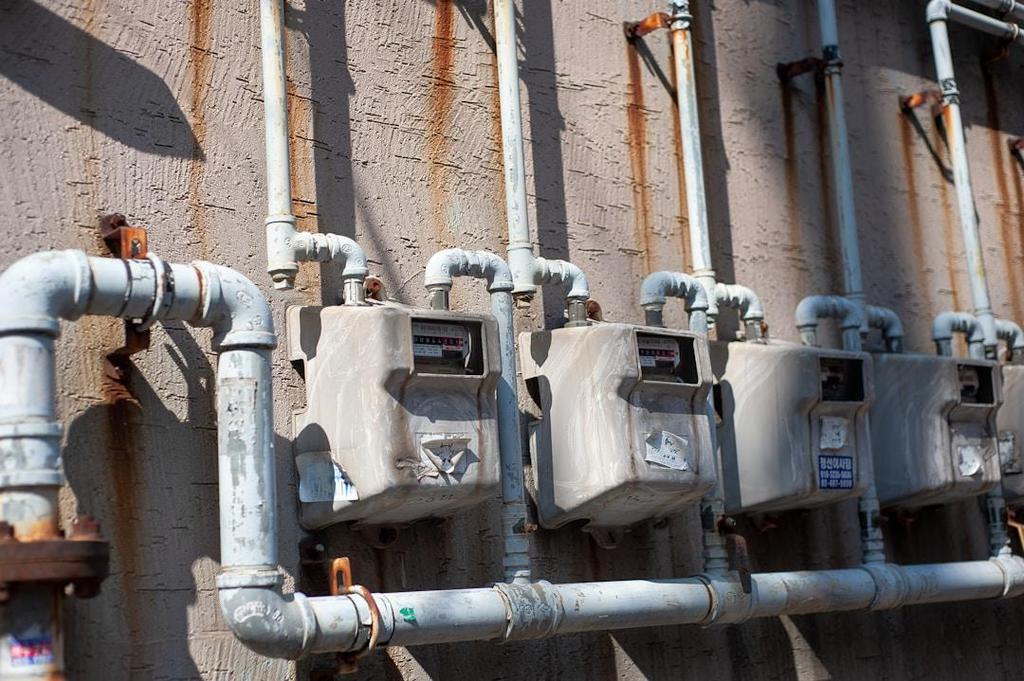
Plumbing businesses can effectively reduce operational costs by sourcing materials at competitive prices while maintaining high quality. Establishing partnerships with wholesalers that provide bulk purchasing discounts offers significant savings. Additionally, staying informed about market trends and strategically purchasing inventory during sales cycles or when new product lines are introduced is essential for cost management. This proactive approach ensures that plumbing operations remain efficient without compromising service quality.
Despite the pursuit of affordability, quality control is non-negotiable. Plumbing companies should thoroughly assess the reliability and performance of materials before committing to purchases. Long-term relationships with trusted suppliers can often lead to advantageous pricing on high-standard materials.
Implementing a just-in-time inventory system can significantly lower costs related to stockpiling materials. By aligning inventory levels with upcoming projects, plumbing services can effectively avoid dead stock, which refers to items that go unused and ultimately create a financial burden. While this strategy requires careful planning, it can yield substantial savings over time.
Exploring alternatives to traditional supply options can reveal additional cost-saving opportunities. Sustainable and reconditioned materials present both environmentally friendly and budget-conscious choices, as long as they adhere to the necessary standards for safety and performance. By focusing on these innovative sourcing strategies, plumbing businesses can enhance their operational efficiency while promoting a commitment to sustainability.
Implementing Preventive Maintenance to Reduce Costs
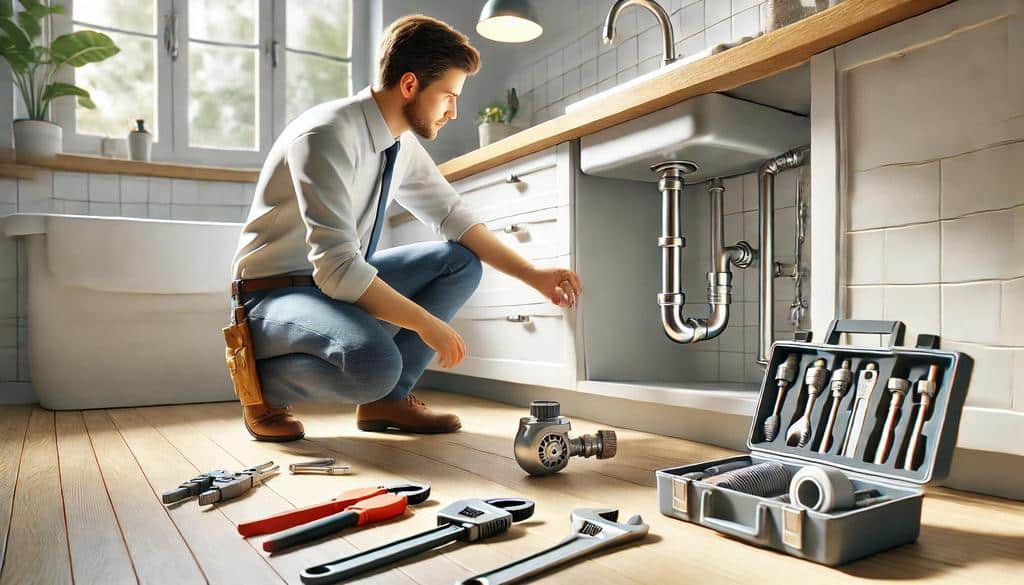
Preventive maintenance serves as a fundamental component of cost-saving strategies in the plumbing industry. Regularly inspecting plumbing systems and addressing minor issues before they develop into significant problems allows businesses to avert costly emergencies. This proactive approach not only protects against unforeseen expenses but also enhances customer satisfaction by ensuring reliable service.
Establishing a maintenance schedule is essential for identifying potential issues early. By developing and implementing a clear plan, plumbing teams can deliver consistent service and organize their workload more effectively. Preventive maintenance typically involves routine inspections, drain cleaning, and pressure testing, all of which contribute to preventing major complications and extending the lifespan of plumbing infrastructure. By prioritizing these tasks, businesses create a framework for long-term success and operational efficiency.
Educating customers on best practices for plumbing care is another element of preventive measures. When clients understand how to appropriately use and maintain their systems, they are less likely to encounter severe problems. This strategy helps build trust and positions the plumbing service as a knowledgeable and reliable advisor.
The cost of preventive maintenance is frequently less than emergency repairs. Although some clients may be hesitant to schedule regular check-ups, emphasizing the long-term savings and the inconvenience of major repairs can be persuasive. Delivering such value-added services solidifies customer relationships and ensures a steady stream of revenue.
Training Your Team for Multifunctional Roles
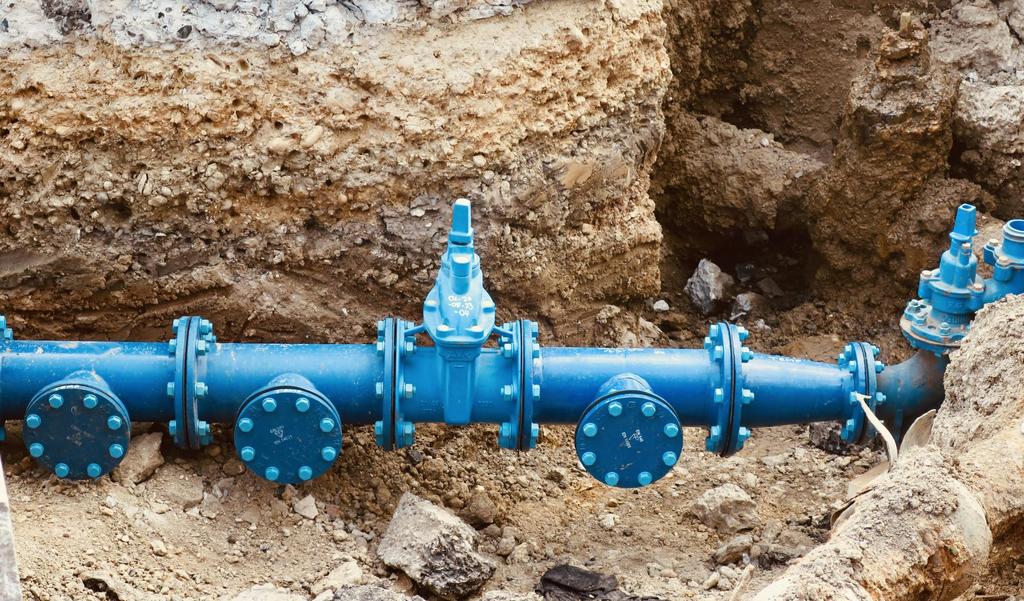
Investing in comprehensive training for plumbing technicians can lead to a more agile and efficient workforce. Cross-training employees to handle multiple job functions can reduce the need for specialists for each task, allowing for more flexible scheduling and better allocation of human resources. This strategy promotes a broader skill set within the team and greater adaptability.
When employees can manage a variety of roles, plumbing companies can save on hiring additional staff. Another benefit of a multifunctional team is the capability of providing a wider range of services to customers, which can open up new revenue streams. Upskilling can also lead to higher employee satisfaction, as it provides personal development opportunities and a sense of progression.
Staff members can remain informed about the latest industry practices and technologies by integrating on-the-job training with formal educational courses. This approach enhances a plumbing business’s competitiveness and responsiveness to market changes. The increase in efficient service delivery and the capacity to offer a wider array of services can justify the initial investment in training.
Nonetheless, it is crucial to balance the demands of multifunctional roles with the need for depth of expertise. Plumbing businesses must ensure access to specialists who can handle complex projects and niche service areas. This balance allows for a robust service offering while maintaining high standards in specialized tasks, ultimately benefiting the overall business performance.

Effective Strategies for Sustainable Plumbing Operations
In summary, plumbing businesses can thrive by implementing a combination of effective strategies focused on cost reduction, customer engagement, and operational efficiency. By leveraging digital communication tools, companies can stay connected with clients and provide valuable insights that foster loyalty and satisfaction. Personalized service enhances the customer experience, ensuring clients feel valued and understood, which can lead to repeat business.
Furthermore, integrating educational content into customer interactions empowers clients to take an active role in maintaining their plumbing systems. This positions plumbing businesses as trusted experts and encourages informed decision-making. Engaging with the local community through initiatives such as workshops and events not only strengthens brand identity but also builds lasting relationships. By embracing these approaches, plumbing professionals can enhance their service delivery, optimize resource management, and sustain long-term growth in a competitive industry.

