
Charity group Break Free From Plastic ranked Coca-Cola as the world’s number one plastic polluter, followed by Pepsi and Nestle. Fortunately, the company is making moves to turn itself around.
Coca-Cola has partnered up with the paper-bottle-making Danish company Paboco to trial a more sustainable packaging this Summer in Hungary. Kifli.hu, the country’s fastest-growing online grocery retailer, will offer 2,000 bottles of 250ml AdeZ, packaged in Paboco’s prototype paper bottle.

Daniela Zahariea, the Director of Technical Supply Chain & Innovation for Coca‑Cola Europe, said:
The trial we are announcing today is a milestone for us in our quest to develop a paper bottle. People expect Coca‑Cola to develop and bring to market new, innovative and sustainable types of packaging. That’s why we are partnering with experts like Paboco, experimenting openly and conducting this first-in-market trial. It’s part of delivering on our World Without Waste goals.
The bottle is an extra-strong paper shell that contains a thin recyclable plastic lining and cap. However, the goal is for it to be 100% plastic-free eventually. The bottle’s strength comes from being formed out of a single piece of paper-fiber-based material.
The firm’s commercial manager Michael Michelsen explained:
That’s part of the secret really; molding a single object – rather than relying on joins – ensured the bonds between the fibers stayed robust. With a clever combination of product design and a strong fiber blend, that’s what makes it possible to not break under pressure.
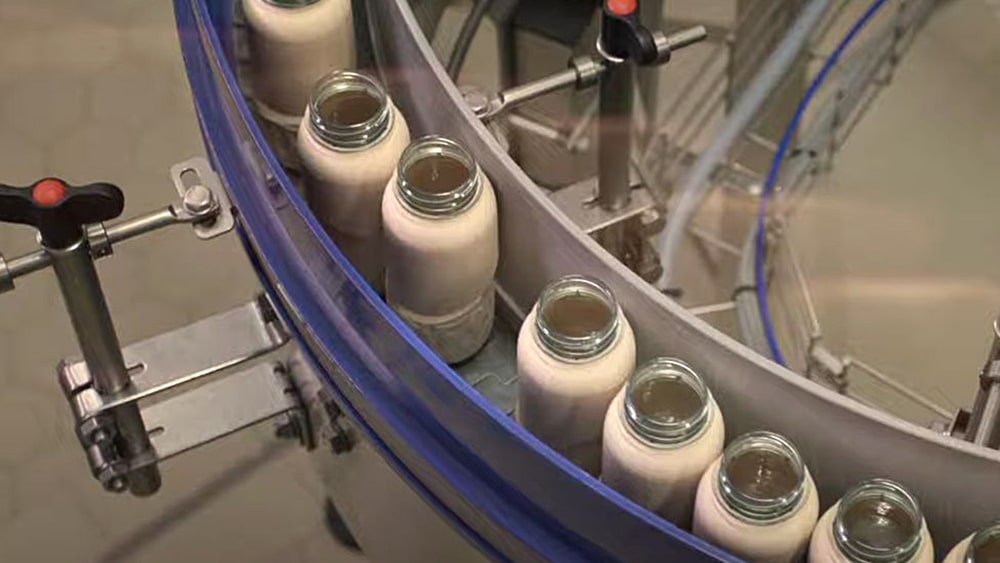
The innovation falls in line with one of Coca-Cola’s World Without Waste sustainable packaging goals: to collect and recycle one bottle or can for each one it sells by the end of the decade; while reducing virgin plastic use and transitioning to only 100% recyclable packaging materials.
Paboco’s technology uses sustainably sourced wood with a bio-based material barrier that can resist liquids, CO2, and oxygen. The packaging is suitable for beverages (including carbonated drinks) and other liquid goods, like beauty products.
The most challenging obstacle Paboco overcame was to create a structure that could withstand the forces exerted by fizzy drinks (such as beer and cola), which are bottled under pressure. Secondly, the paper should be moldable, like plastic, to form different bottle sizes and shapes for various brands. Third, the material should take ink cleanly for printing labels. Solving these issues took seven years of lab work, but the firm finally made it all work.
Paboco is also working with other companies, including the vodka-maker Absolut and the beer company Carlsberg. Absolut will soon test 2,000 paper bottles with its pre-mixed, carbonated raspberry drink in Sweden and the UK. Carlsberg’s beer bottle is still being developed.
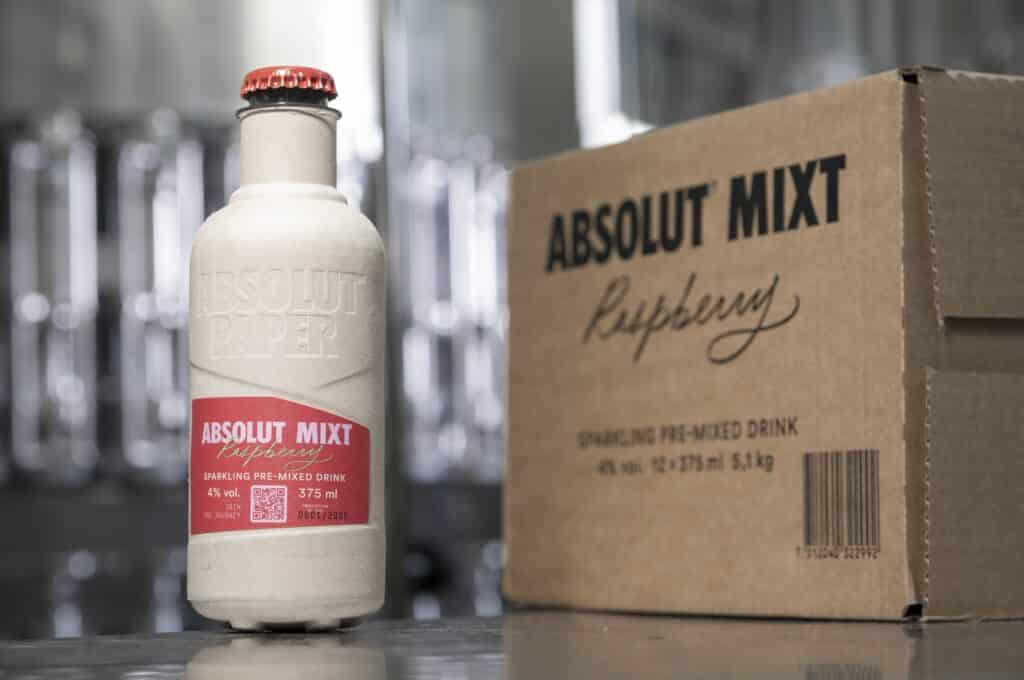
The company is excited about the technology’s potential and the opportunity to learn from these trials.
Stijn Franssen, Coca‑Cola Europe’s R&D packaging innovation manager, noted that the breakthrough technology is still developing. He said that Coca-Cola would continue to invest in the company as it improves its paper bottle performance and figures out how to replace all the plastic parts.
He said:
We will continue to invest in innovating and exploring new packaging technologies in cooperation with our partners at Paboco. This launch shows that we’re making good progress despite the journey ahead of us. It also shows Coca‑Cola’s determination to drive this sort of packaging innovation forwards by exploring and working together.
Coca-Cola is also introducing 100% recycled plastic bottles this year in America.


