
A fuel cell rapid response ambulance prototype dubbed the ‘ZERRO ambulance’ will roam London’s streets later this year, thanks to hydrogen commercial vehicle conversion company ULEMCo and their partners.
The UK’s Office for Zero-Emission Vehicles (a cross-government group, working towards the transition to zero-emission vehicles) is funding the ZERRO ambulance (which stands for Zero Emission Rapid Response Operations).

The ambulance prototype will feature:
- A 92-kWh battery pack.
- A hydrogen fuel cell range extender with a 30-kW fuel cell from Ballard.
- 8 kg of H2 storage on board.
- Top speeds of 90 mph (145 km/h).
- An average daily range of 320 km (200 miles).
The vehicle’s electric drivetrain, low-frame chassis, and modified lightweight body are being manufactured by Woodall Nicholson Group’s Mellor, VCS Limited, and Promech Technologies. Last year, VCS produced the UK’s first all-electric ambulance and the first zero-emissions ambulance to be driven on UK roads. That vehicle – called ‘the Electric Dual Crewed Ambulance’ – began trials in the West Midlands in October.
Promech will contribute its existing battery technology solution and expertise. Other partners, including Ocado and Lyra Electronics, will bring practical experience in using electric vehicles and specialist DC-DC electronics capabilities to the overall design.
The ZERRO vehicle will benefit from a low access floor that eliminates the need for patient lifting equipment and a frame-based body that ensures that the vehicle’s overall weight can haul a payload of at least 900 kg (1,984 lbs).
ULEMCo explained:
The aim of the project is to show that this weight target can be met with the combination of this powertrain configuration and the lightweight structure, and using a low floor design rather than needing to include heavy lifting equipment, alongside work to integrate the internal electrical power needs within overall vehicle electrical system design.
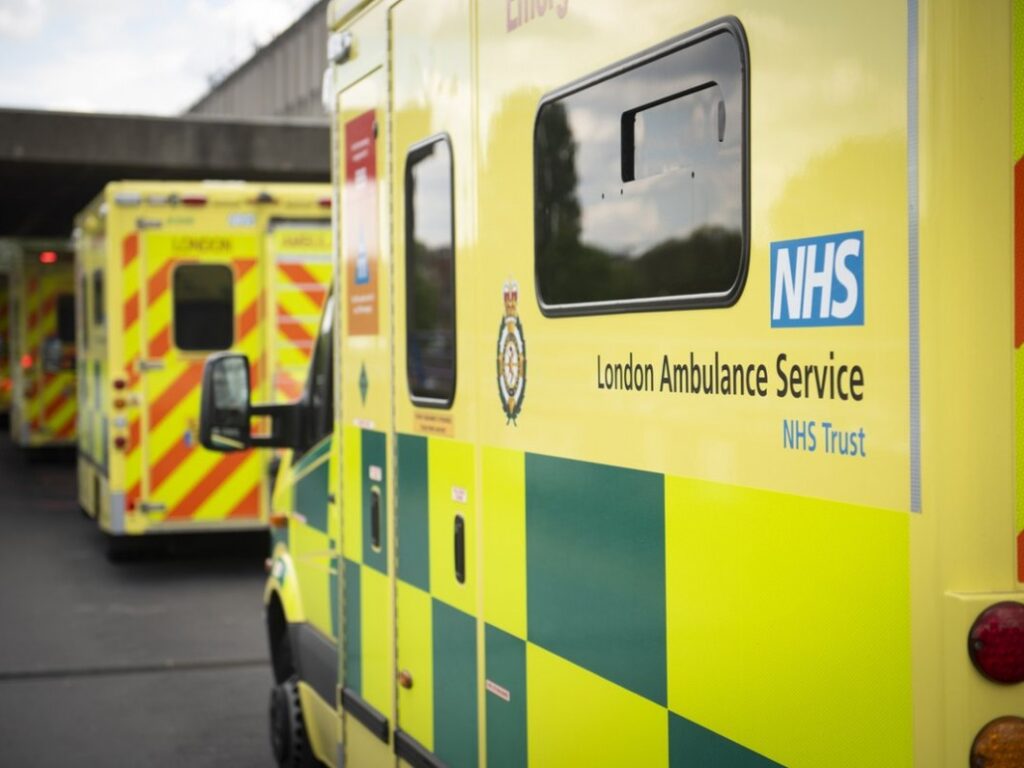
ULEMCo and its partners have spent a year working on the design phase of the project. Now, they are ready to build and deliver the fully approved working prototype to the London Ambulance Service NHS Trust by autumn this year.
The NHS has pledged to become the world’s first carbon net-zero national health system by 2040. The commitment is backed by a multi-layered plan that outlines clear milestones and deliverables. By 2032, the NHS will reduce all the emissions it has control over (such as those produced by buildings, vehicles, and services) by 80%, and 100% by 2040. It also plans to reach net-zero for all emissions over which it influences (such as those linked to its supply chain and travel of staff and patients) by 2045.


