
The now 94-year-old David Attenborough presents us all with a new film called Extinction: The Facts. And while Britain’s favorite naturalist spent the last seven decades delivering programs about the world’s national treasures, this time, it’s a hard-hitting documentary warning about species extinction.
The new BBC film begins with heartbreaking footage of devastation with animals battling for survival because of the impact humans inflict on the natural world. It then goes on to explain how serious the state of nature is, why it matters, and what needs to change.
It links the rise of crises like the coronavirus pandemic, food shortage, poverty, and catastrophic weather events to mankind’s encroachment on natural habitats and the destruction of biodiversity. It highlights how species extinction undermines human progress but also points out that this desperate situation can be turned around.
So who is watching? Who is listening? Who will act? #DavidAttenborough #extinction @BBC
1 million species threatened by 1 species of over 7 billion individuals.#conservationoptimism ? pic.twitter.com/mfvJTt0aAw— Stephen Woollard (@ZooStephen) September 13, 2020
Together with Sir Attenborough are several experts. They deliver hard facts and quantify the scale of the damage to the ecosystems globally. One warned that one million of the estimated eight million species on Earth face the threat of extinction. Another one explained how in the past fifty years, vertebrate animals – mammals, reptiles, birds, fish, and amphibians – have declined by 60%.
Kathy Willis, professor of biodiversity at Oxford’s department of zoology, said:
Normally with extinction thinking about dinosaurs they took not thousands but millions of years to go extinct whereas this is happening the date over the last 50 or so years.
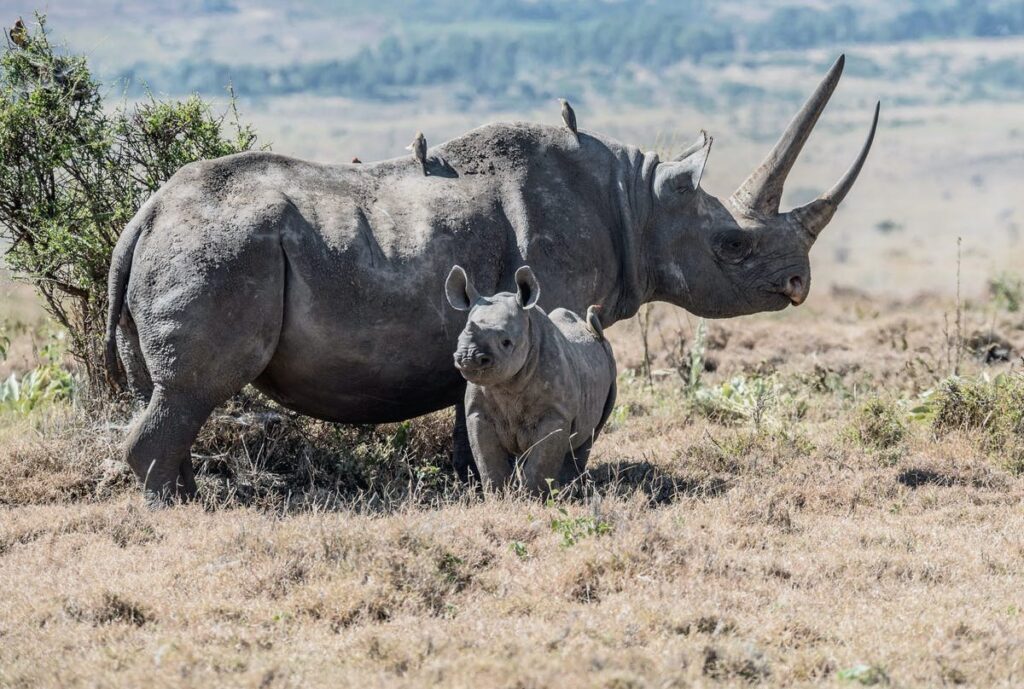
James Mwenda, the keeper who looks after the last two remaining white rhinos, said:
Many people think of extinction being this imaginary tale told by conservationists. But I have lived it, I know what it is.
While it is true that extinction is the natural flow of evolution, the rate at which it is happening now is entirely unnatural. It’s happening at 100 times (and counting) the natural evolutionary rate.
Sir Attenborough said:
Over the course of my life, I’ve encountered some of the world’s most remarkable species of animals. Only now do I realize just how lucky I’ve been – many of these wonders seem set to disappear forever.
The loss of biodiversity impacts humanity in many ways. Losing insects can have severe consequences like food shortages. Losing wetlands and trees can lead to floods and landslides.
Prof Willis said:
Everything is joined up, from a single pond to a whole tropical rainforest. We tend to think we are somehow outside of that system. But we are part of it, and totally reliant upon on it.

Meanwhile, the seas are losing all their fish. At any one time, there are about 100,000 trawlers at work, hauling nets bigger than houses that scoop up anything that gets caught in them. The waters are being emptied non-stop, meaning populations don’t have time to recover.
Prof. Daniel Pauly, from the University of British Columbia, in Canada, said:
We’ve found that in China, the waters have about 16% left of what we had [in fish levels] 120 years ago. Similarly, in the waters around Britain, there is only 5% of trawler codfish left compared to the turn of the 20th century.
On the topic of oceans, Sir Attenborough recently published a report (not linked to this film) on the potential consequences of deep-sea mining. He demands a ban on the practice stating that “mining means the destruction of an ecosystem.”
Now back to discussing the film; perhaps the scariest risk of all is that of pandemics. Humankind’s ever-increasing encroachment into the natural world and its rising contact with wild animals is a recipe for future outbreaks. The coronavirus is a perfect example. Its origin has been linked to an animal market. However, human encroachment on natural habitats – such as deforestation – is a pandemic causing factor too. A third (31%) of emerging diseases have originated, not from consumption of animal meat, but from land-use change.
This is because as larger predatory animals disappear, the smaller disease-carrying mammals that they eat – such as bats and rodents – multiply. Which means there are more animals around likely to spread disease.
Peter Daszak of Ecohealth Alliance, said:
“We’ve been changing biodiversity in critical ways which made [the pandemic] more likely to happen.”
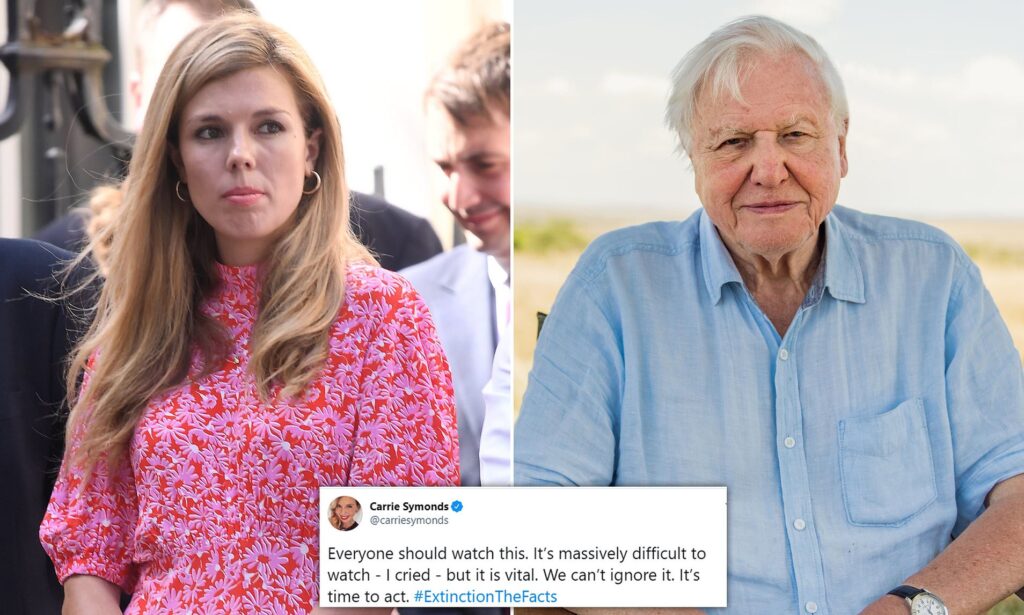
The film ends with a glimmer of hope that not all is lost. Serena Davies, who directed the program, said:
Our job is to report the reality that the evidence presents. His aim is not to try and drag the audience into the depths of despair, but to take people on a journey that makes them realize what is driving these issues we can also solve them.
So, what are the driving factors? The main one is consumption in developed nations. For example, the average American citizen uses seven times more resources (and the average UK citizen four times more) than someone living in India. Reducing consumption is perhaps the most helpful thing individuals can do.
Prof Willis said:
One thing we can all do is start to think about the amount of waste we generate and also where our products come from. Look in your fridge, look in your fruit bowl, and think “actually is that being grown in a sustainable way and do I really need to have apples that come right the way from South America?”
It’s not as difficult as it may seem. Cambridge economist Partha Dasgupta said:
Forty years ago, people in the UK consumed a good deal less. But there is no evidence that we were unhappier then.
According to a 2019 UN study on biodiversity loss, we waste 40% of the food we produce. Reducing this figure alone would make a substantial impact. However, how products are made is equally important.
Sir Attenborough says in the final scene:
What happens next, is up to every one of us.
So, whatever you can do to help, do it.


