
Deep-sea fishing and offshore fishing are popular among anglers who enjoy catching large and powerful fish in open waters. While these styles of fishing may seem similar, there are distinct differences between the two. Knowing what sets them apart is key to enjoying Galveston fishing charters or an angling adventure anywhere!
Let’s explore some points that highlight the disparities between deep-sea fishing and offshore fishing.
Location
Deep-sea fishing primarily takes place in the open ocean, far from the coastline, in waters that are typically several hundred feet deep. Anglers venture out to the vast expanse of the ocean, often reaching depths where sunlight cannot penetrate.
Deeper Waters
Deep-sea fishing involves venturing into the deeper parts of the ocean, where the water depth can range from several hundred to thousands of feet. The depths encountered in deep sea fishing require specialized knowledge and equipment to handle the challenges associated with fishing in such conditions.
The water conditions in deep-sea fishing are often more unpredictable, with rougher seas, stronger currents, and potentially harsher weather conditions, making it a more physically demanding and thrilling experience.
Right Off the Shore
Offshore fishing, on the other hand, involves fishing in waters closer to the shore, typically within a few miles or up to 20 miles from the coastline. These waters are generally shallower compared to deep-sea fishing locations, where the depth may vary from a few feet to a couple of hundred feet.
Target Species
One of the significant differences between deep-sea fishing and offshore fishing lies in the types of fish targeted. Deep-sea fishing usually targets pelagic species that inhabit the deep ocean, such as marlin, tuna, swordfish, and sailfish. These fish are known for their size, strength, and fighting ability.
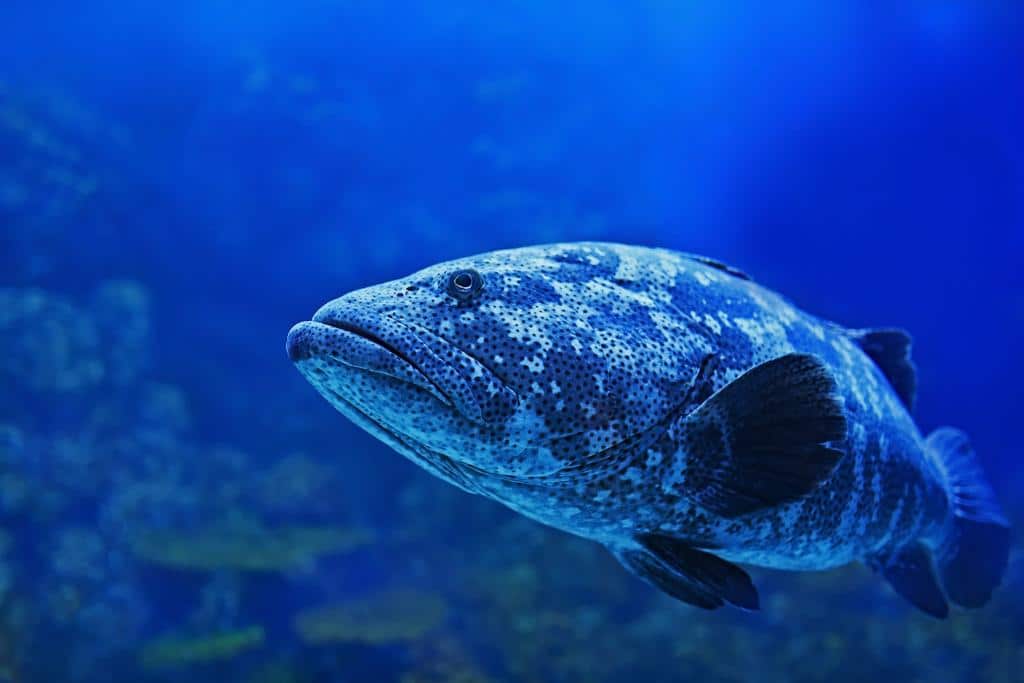
Offshore fishing, on the other hand, often focuses on a broader range of species, including bottom-dwelling fish like snapper, grouper, and sea bass, as well as pelagic species found closer to the shore, such as mahi-mahi and king mackerel.
Adventurers vacationing on the Last Frontier like to go salmon fishing in Juneau, Alaska, which brings both excitement and a deep connection to the natural surroundings. The region’s cold, clear waters are ideal for reeling in prized catches like coho and chinook salmon.
Fishing Techniques
Due to the variations in target species and location, different fishing techniques are employed in deep-sea fishing and offshore fishing.
In deep-sea fishing, fishers commonly use trolling techniques, deploying lines with bait or lure behind a moving boat to attract fast-swimming pelagic species. Deep-sea anglers also use techniques like deep-drop fishing, where baits are lowered to significant depths to entice fish from the depths below.
In offshore fishing, anglers may use a combination of trolling, bottom fishing, and live bait techniques, depending on the species being targeted and the preferred method of the angler.

Equipment and Gear
Both deep-sea fishing and offshore fishing require specialized equipment and gear. In deep-sea fishing, anglers often use heavy-duty rods, large reels with high line capacity, and strong lines to handle the powerful and aggressive nature of the targeted species.
Offshore fishing also necessitates sturdy gear, but it may not be as heavy-duty as deep-sea fishing. The gear used in offshore fishing varies depending on the specific techniques employed, such as spinning rods for casting or conventional reels for trolling.
Accessibility and Duration
Deep sea fishing typically requires traveling further offshore, which may involve longer boat rides and greater logistical considerations. Anglers often need to charter a boat specifically designed for deep-sea fishing or join a fishing excursion. The duration of deep-sea fishing trips can be longer, ranging from several hours to full-day or multi-day trips, depending on the location and desired experience.
Offshore fishing, on the other hand, is often more accessible, with shorter boat rides and more options for daily charters. It is also more suitable for anglers who prefer shorter trips or those who are new to fishing in open waters.

Wildlife Encounters
When engaging in deep-sea fishing, anglers have the opportunity to encounter a wide range of marine wildlife beyond the fish they target. The open ocean ecosystem is home to various marine creatures, including dolphins, whales, sea turtles, and seabirds, creating an immersive and awe-inspiring experience.
Offshore fishing also offers wildlife encounters, but they are more likely to be limited to species that inhabit the nearshore areas, such as seabirds, seals, and smaller marine mammals.
Exploring the Depths Near and Far
Whether you embark on an unforgettable deep-sea fishing expedition or opt for a rewarding day of offshore fishing, both styles of fishing offer the chance to immerse yourself in the beauty of the open waters, witness captivating marine wildlife, and create memories that will last a lifetime.
So, choose your adventure, prepare your gear, and set sail to discover the wonders that await beneath the surface.


