
When the heat and humidity rise in Wagoner, AC trouble rarely announces itself all at once. An air conditioner that suddenly blows warm air or shuts off too soon can turn a normal day into an urgent problem. The fastest path to relief is recognizing what the system is telling you, since the warning signs usually appear before a full breakdown. Certain sounds, smells, and performance changes point to specific parts of the cooling system. With a few safe checks, you can sometimes restore airflow or stop a small issue from becoming a bigger repair. This guide explains common AC symptoms, what they often mean inside the equipment, and when to bring in a technician.
Early AC Symptoms in Wagoner Homes That Point to a Real Problem
Short cycling, weak airflow at supply registers, or warm air after a normal startup often trace back to airflow or outdoor heat rejection. A clogged return filter starves the evaporator coil, and a matted condenser coil outside raises system pressure so the compressor has to work much harder. Drips around the indoor air handler indicate a clogged condensate drain or a tripped float switch that may be shutting the system down. If you hear a steady hum from the outdoor unit but the fan blade is still, the fan motor or its capacitor could be at fault. Professional diagnostics for AC repair in Wagoner typically begin by verifying airflow, electrical start components, and refrigerant conditions.
Ice on refrigerant lines or on the evaporator coil points to low airflow or a refrigerant charge problem. Low airflow can come from a dirty filter, closed registers, or a blocked coil. A low charge from a leak can also cause the suction line to frost and the system to short-cycle as pressures fall out of range. A clicking contactor in the outdoor unit followed by silence suggests the compressor isn’t starting, often due to a weak start capacitor or a failing compressor. A constant indoor blower with no cooling may simply mean the thermostat fan setting is left on “On” instead of “Auto,” but it can also mean the thermostat isn’t calling for the condenser.
Safe Homeowner Checks Worth Doing First
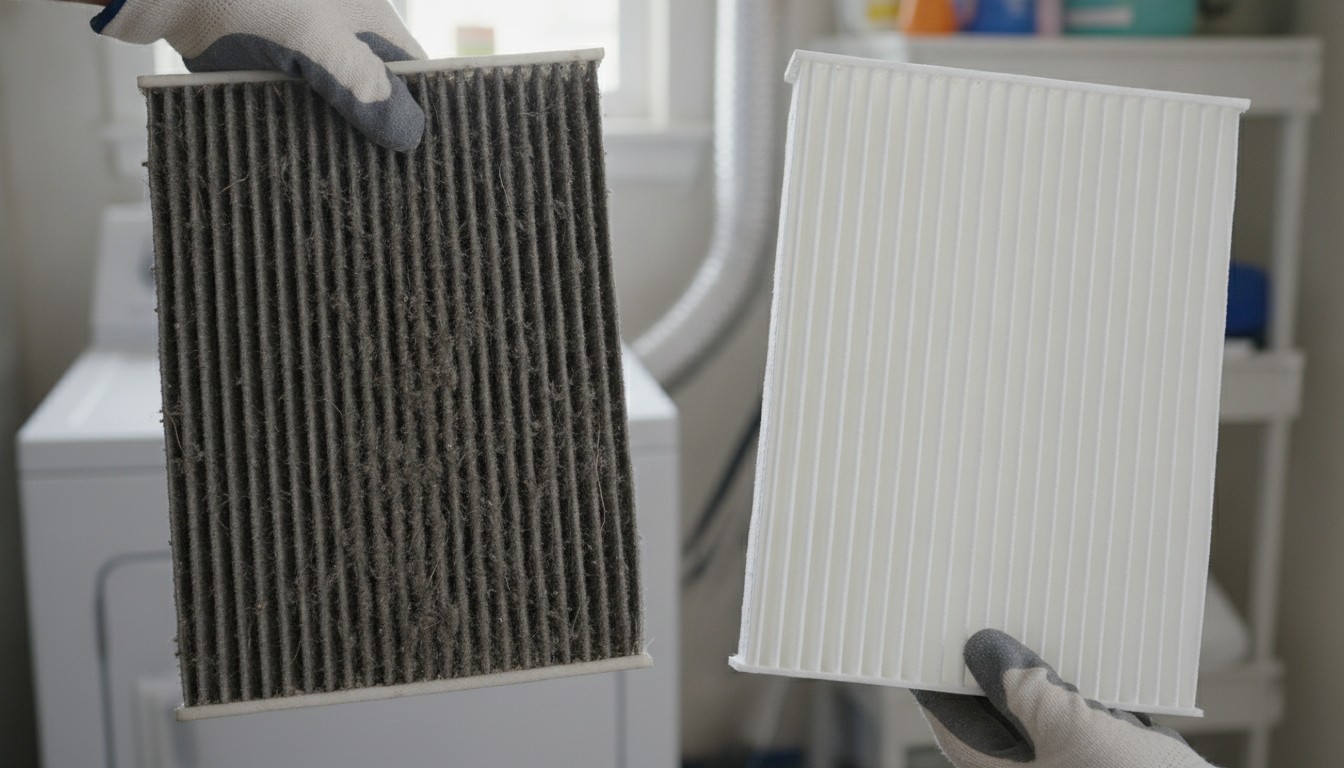
Start at the thermostat. Confirm “Cool” mode, a setpoint lower than room temperature, and the fan on “Auto.” Replace a dirty return filter; a midrange MERV rating balances dust capture with airflow resistance for most systems. Make sure supply registers are open and not blocked by rugs or furniture. At the electrical panel, reset a tripped breaker for the air handler or condenser once. If you have a condensate pan with a float switch, look for standing water. Clearing the drain with a simple wet-dry vacuum at the outside line, or a small amount of white vinegar at the cleanout, can restore operation when algae is the culprit.
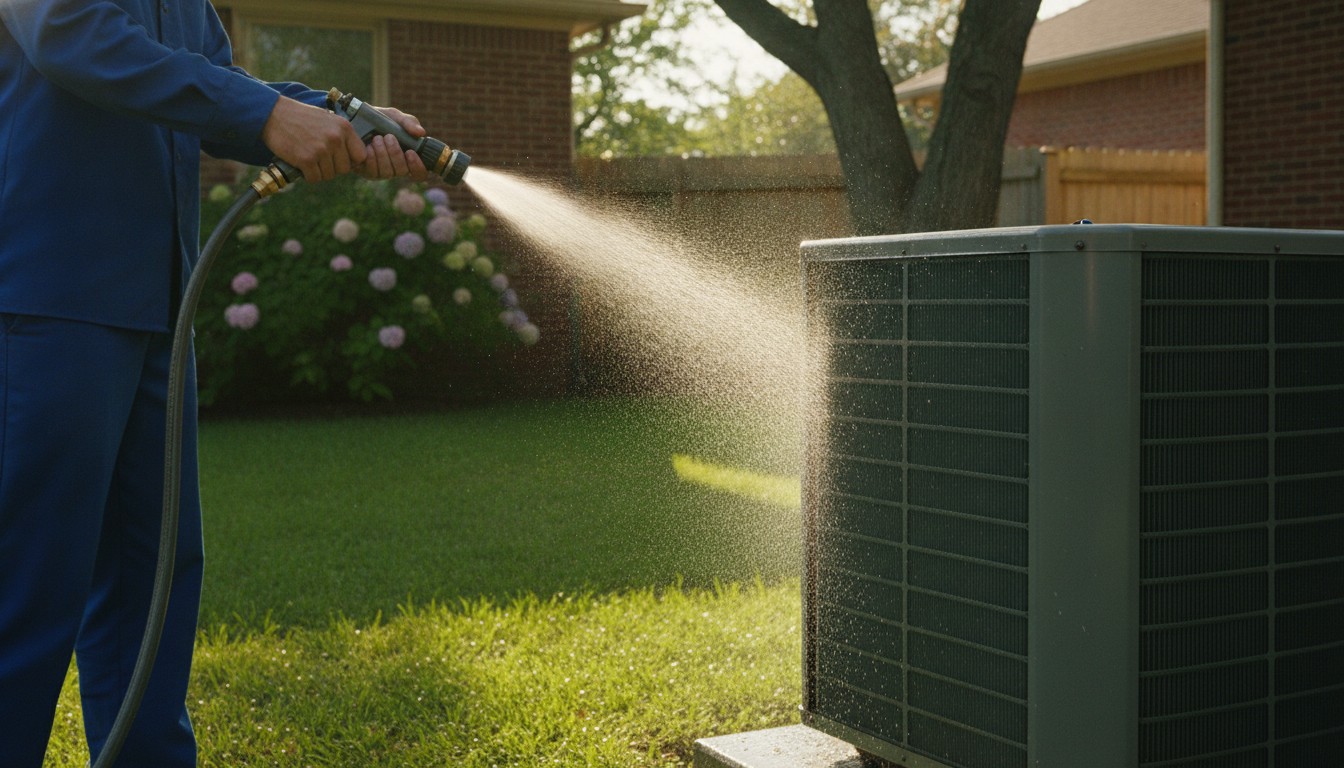
Outside, remove leaves and grass clippings within a couple of feet of the condenser. If accessible, gently rinse the condenser coil from the inside out using a garden hose on low pressure. Do not blast water through the top or bend the aluminum fins. Listen as the system starts: a healthy condenser fan should spin quickly and blow hot air out the top. Avoid opening electrical panels, pushing contactors, or adding refrigerant. Those tasks require proper tools and training, and mistakes can turn a simple fix into an expensive component replacement.
When the Signs Point to a Component-Level Failure
Some patterns strongly suggest a failed electrical or mechanical part. A loud hum from the outdoor unit with a non-spinning fan often means the fan capacitor cannot deliver the jolt needed to start the motor. In a pinch, a technician may confirm this by testing the capacitor’s microfarad rating and checking amperage draw. Rapid on-and-off cycles with a clicking sound at the contactor can point to low-voltage control issues, a failing contactor, or compressor problems. If the indoor blower never comes on, suspect its run capacitor or the blower motor itself. Repeatedly resetting a tripped breaker is not a solution; breakers trip to protect wiring and equipment.
Prolonged icing of the evaporator coil, a hissing sound at the indoor unit, or oil stains on refrigerant tubing indicate a possible leak. Low refrigerant charge reduces cooling capacity and can cause short cycling as pressures reach safety thresholds. A stuck or misadjusted thermostatic expansion valve (TXV) can mimic some of the same symptoms. Confirming these conditions involves measuring superheat and subcooling, checking static pressure across the coil, and searching for leaks; adding refrigerant without checking risks flooding the compressor or masking a leak. This is the point where a licensed HVAC technician’s gauges and meter readings matter.
Humidity, Dust, and Ductwork: Local Factors That Complicate Cooling
High outdoor humidity in Wagoner increases the latent cooling load. If the AC runs but the indoor air still feels clammy, the evaporator coil may not stay cold long enough to wring out moisture. Dirty condenser fins, an oversized system that short-cycles, or leaky return ducts in a hot attic can all reduce dehumidification. One common scenario: a small gap in the return duct pulls 120-degree attic air into the system, spiking both temperature and moisture at the coil and overwhelming the AC. Another: cottonwood fluff and dust plastered to the condenser coil reduce airflow through the fins and cut outdoor heat rejection.
Filter choice also affects performance. Higher MERV filters capture fine allergens but increase static pressure, especially in systems with undersized return ducts. The tradeoff is cleaner air versus reduced airflow that can lead to icing and reduced capacity. A household with pets and spring pollen may install a very restrictive filter and then notice diminished airflow and a frosted suction line a week later. Solutions include using a pleated filter with a moderate MERV rating, upgrading to a deeper media cabinet designed for higher filtration at lower resistance, or having a pro evaluate duct sizing. Closing too many supply registers to “push air to one room” can create similar pressure problems.
Preventing Repeat Breakdowns After Service
Once cooling is restored, a few habits help keep it that way. Change or clean filters regularly during heavy use, and keep at least two feet of open space around the outdoor condenser. Rinse the condenser coil as needed during cottonwood season, taking care with the fins. Pour a small amount of vinegar into the condensate cleanout every month or two to discourage algae. Inside, avoid blocking return grilles and confirm registers stay open. A spring tune-up that includes coil inspection, electrical testing of capacitors and contactors, measuring the temperature drop across the evaporator, and clearing the condensate drain can catch developing issues before they cut into July comfort. According to the U.S. Department of Energy, a regular maintenance schedule can reduce heating and cooling costs by up to 10 percent and prolong the life of the equipment.
You do not need to be an HVAC expert to interpret what your system is telling you. Start with thermostat settings, filters, drains, and outdoor airflow, then watch for clear component clues like humming without a fan starting or ice on refrigerant lines. When symptoms point to electrical parts or refrigerant charge, a licensed technician’s readings protect both your comfort and the equipment. The sooner you address small faults, the less likely you are to face an extended outage during a Wagoner heat wave. Careful observation and a few safe steps can speed the path back to steady, dry, cool air.

