
As technology rapidly evolves in 2024, our understanding of companionship will undergo a significant transformation. Emotionally intelligent AI technology, driven by advancements in artificial intelligence, machine learning, and emotional awareness, introduces a new paradigm where digital companions can understand and interact with users on a profoundly personal level. This shift in dynamics transforms how we perceive friendship and support, enabling AI-driven devices to empathize and engage genuinely with users.
Unveiling the New Dimension of Digital Companionship
In this comprehensive exploration, we peer into the rise of emotionally intelligent AI, examining the ways in which these digital companions integrate into our daily lives. We discuss the implications of these advancements on human relationships, highlighting both the benefits and potential risks. Ethics play a crucial role as technology mimics emotional intelligence, raising questions about privacy, dependency, and transparency. Join us as we explore the evolving relationship between humans and machines, discovering how technology could redefine emotional connections in the digital era.
The Rise of Emotionally Intelligent AI Technology
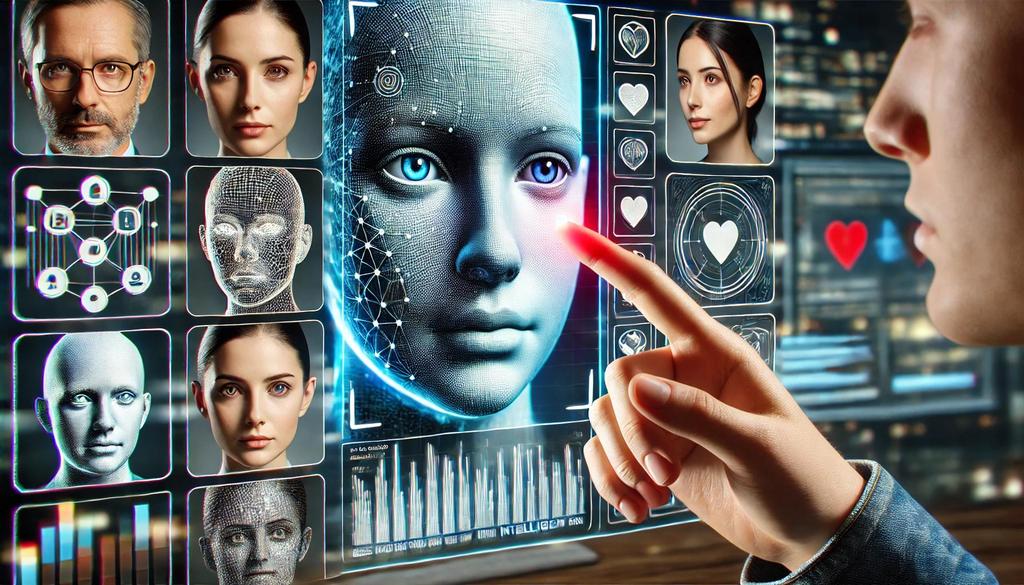
Emotionally intelligent AI technology is a term used to describe systems and devices that can identify, understand, and react to human emotions. The progress in natural language processing, computer vision, and affective computing, among others, has enabled machines to analyze voice tone, facial expressions as well as physiological responses. As a result, we see the emergence of virtual assistants, chatbots, and companion robots designed to engage with users in a more human-like manner.
As emotionally intelligent technology progresses, OpenAI’s GPT-4o stands as a prominent example of these advancements. Unveiled in May 2024, GPT-4o is a state-of-the-art AI model designed to facilitate real-time conversations in text, voice, and images, making interactions with AI more natural and relatable.
Notably, this AI model can analyze emotional cues such as speech tones and facial expressions, thereby providing responses that resonate with a person’s emotional state. This capability allows AI to engage more humanly, offering empathetic and contextually appropriate interactions. As we incorporate emotionally intelligent AI systems into daily life, from customer service to mental health support, the potential for enhanced human-computer interactions becomes increasingly feasible.
AI Companions: More Than Just Algorithms
AI companions, such as Eden NSFW AI, are specifically designed to offer emotional support, companionship, and therapeutic interactions. These advanced systems utilize conversational AI to engage in meaningful dialogues with users. They listen attentively and provide tailored responses that align with the user’s emotional state. By doing so, these virtual companions can diminish feelings of isolation and depression, highlighting the potential of technology to foster and enhance human relationships.
The emotional intelligence embedded within these AI companions is not just an added feature; it is fundamental to their overall operation. These systems understand context, recognize emotional cues, and adapt their responses accordingly. This level of responsiveness helps to create an environment where users feel genuinely heard and valued. Such capabilities are increasingly important today, where many individuals face challenges in finding emotional support from friends or family.

The Impact of AI on Human Relationships
In light of the growing prevalence of emotionally intelligent technology, it’s essential to consider its profound impact on human relationships. The proliferation of digital companions prompts us to reevaluate the definition of friendship. Do these AI-driven interactions erode our interpersonal skills, or do they enhance our ability to connect and empathize with others?
AI-Powered Brain-Computer Interfaces in Human Connections
Integrating AI-powered brain-computer interfaces (BCIs) marks yet another significant leap in human-technology interaction. BCIs facilitate direct communication between the brain and external devices, offering groundbreaking solutions for those with disabilities. The fusion of AI and BCIs promises enhanced personal autonomy, allowing users to control technology effortlessly through thought alone.
This development further blurs the boundaries between human cognition and machine processing, inviting questions about the evolving nature of companionship and how these technologies might redefine human connections and emotional exchanges. When combined with emotionally intelligent AI companions, this technology empowers individuals with disabilities by providing them with the ability to communicate effectively and engage with their environment in ways previously thought impossible. Users can manage daily tasks, access information, and form meaningful connections seamlessly, thereby enhancing their independence and improving their overall quality of life.
Empowered Emotional Connections Between Humans and AI
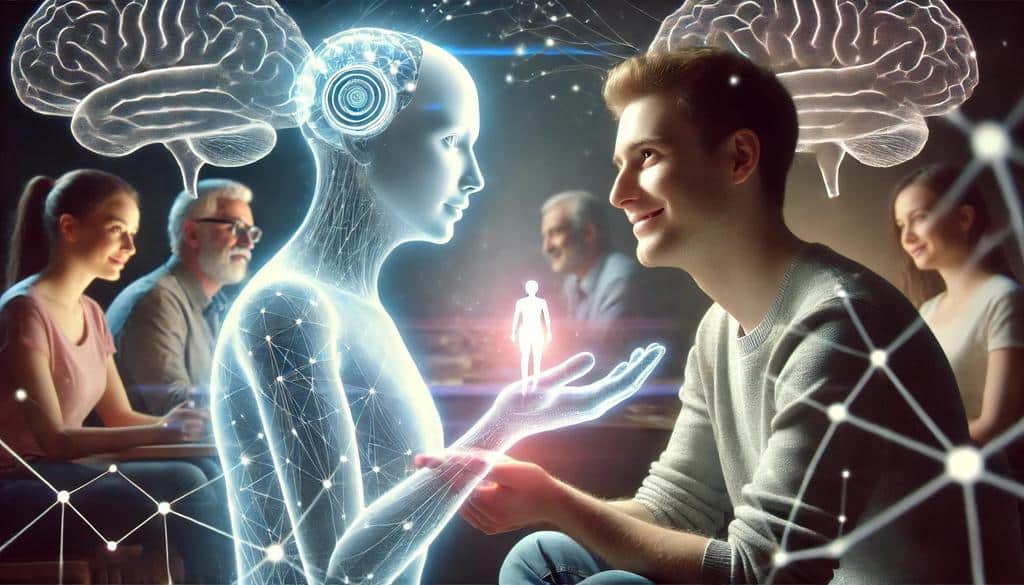
For some, emotionally intelligent AI companions serve as a bridge, providing emotional support when human interaction is lacking. Individuals with social anxiety, the elderly, or those in remote areas may find solace in the non-judgmental presence of an AI companion. These interactions can serve as stepping stones to real-world connections, helping individuals build the confidence to engage with others.
The Role of AI Companions in Mental Health Support
AI companions further enhance the provision of mental health support by offering personalized and accessible assistance to individuals in need. Through advanced algorithms, these digital entities can assess emotional cues and provide tailored resources or coping strategies, helping manage stress and anxiety before they escalate. This proactive engagement not only facilitates emotional resilience but also bridges the gap between individuals and healthcare providers.
By enabling continuous data sharing, emotionally intelligent AI companions ensure mental health professionals have a comprehensive understanding of a patient’s condition, fostering a collaborative approach to mental well-being and ensuring support is available whenever needed.

Navigating Ethical Issues in Emotionally Intelligent AI Technology
Ethical issues also arise with the emergence of emotionally intelligent AI technology. What measures can be taken to guarantee that such systems are empathetic and morally upright? The algorithms driving AI companions must be transparent, ensuring they do not exploit vulnerable users or perpetuate biases.
In addition, it is very important to maintain the data privacy of users who are interacting with AI companions. People must know the manner in which their emotional information is utilized, kept, and protected. To promote valuable interactions, trust must first be created between users and technology.
Ethical Challenges: Safeguarding Privacy and Accountability
Ethical concerns surrounding emotionally intelligent technology extend beyond transparency and data privacy. As these AI systems become more integrated into daily life, the potential misuse by malicious actors poses significant risks such as manipulation, surveillance, and bias reinforcement.
It is crucial to implement stringent ethical guidelines, promoting accountability and fairness while safeguarding user autonomy. This requires robust regulatory frameworks and continuous auditing to identify and mitigate biases within AI algorithms. Fostering an informed public dialogue around AI’s ethical use can empower individuals to protect their privacy and ensure that these technologies serve the common good without compromising personal freedoms.

The Risk of Dependency on AI
The growing reliance on AI companions for emotional support presents significant risks related to dependency. As individuals increasingly seek solace in these digital entities, the likelihood of neglecting meaningful human relationships escalates.
The appeal of a non-judgmental, readily accessible companion may inadvertently encourage people to favor interactions with emotionally intelligent AI machines over engaging with family and friends. This shift in priority can diminish the value placed on genuine emotional connections, potentially leading to increased feelings of isolation among users.
Moreover, as society becomes more accustomed to these AI interactions, the consequences may extend beyond personal relationships. Dependence on technological companions for emotional fulfillment could contribute to a broader societal trend where authentic human experiences are undervalued. Individuals might struggle with interpersonal skills, making it challenging to navigate real-world social dynamics.
This shift has the potential to affect mental health, as meaningful relationships are critical for emotional well-being. Therefore, it is vital to address these concerns by promoting a balanced approach that encourages healthy relationships and advocates for the responsible use of emotionally intelligent technology.

Embracing the Digital Era of Emotional AI Companionship
The evolution of emotionally intelligent AI technology is reshaping how we view companionship in the digital age. As AI companions become more sophisticated, they offer both unprecedented opportunities and challenges. On one hand, they provide personalized support and engagement that can alleviate feelings of loneliness and serve as valuable tools for mental health management. On the other hand, ethical considerations and the risk of over-dependence on digital interactions require vigilant attention.
For individuals seeking emotional support, AI companions can act as a crucial intermediary towards building confidence for real-world interactions. However, it is essential to maintain a balanced approach, recognizing the invaluable role of human connections in emotional well-being. The future of emotional companionship technology promises exciting possibilities, such as integrating emotionally intelligent AI with emerging technologies like augmented reality (AR) and virtual reality (VR) to further enhance the realism and depth of interactions.
To navigate this evolving landscape responsibly, society must advocate for ethical guidelines and transparency in AI development. By fostering informed discussions and safeguarding user privacy, we can ensure that these technologies augment our emotional lives without undermining fundamental human connections. As we forge ahead, emotionally intelligent technology promises to enrich our lives, provided we remain mindful of the need to balance innovation with ethical responsibility and human integrity.


