
There are many circumstances where a drug test might be necessary, and the choice of method depends on various factors, including the purpose of testing, the desired detection window, and the specific drugs being targeted. Therefore, it’s essential to consult with professionals in the field to determine the most appropriate method for a particular situation. But which ones are the best?
Why Is Drug Detection Used?
Drug detection methods are essential to ensure various people’s safety, compliance, and well-being. Drug detection tests can be crucial in the workplace to maintain a drug-free environment and ensure the productivity, safety, and integrity of employees. They help identify individuals who may be impaired by drugs, reducing the risk of accidents and promoting a healthier work environment.
The authorities commonly use them in forensic investigations to gather evidence and determine drug involvement in criminal cases. They play a vital role in law enforcement, helping to hold individuals accountable for illegal drug use or trafficking. Another use is in healthcare settings to monitor patients’ medication adherence, prevent drug interactions, and assess substance abuse issues for effective treatment planning.
The Top Drug Detection Methods
Oral Test
Saliva testing, also known as oral fluid testing, has emerged as a popular method for drug detection due to its convenience and noninvasive nature. This testing approach involves collecting saliva from the individual’s mouth, usually through an oral swab or spit test.
Saliva drug tests are highly advantageous in situations where immediate results are required, such as roadside drug screening or workplace testing, as they provide rapid and on-the-spot analysis. Through oral drug tests, recent abuse of a range of substances can be detected, including cannabis, cocaine, amphetamines (including methamphetamine), opioids (including heroin and prescription opioids), and benzodiazepines. The ability to detect multiple drug classes makes saliva testing a versatile tool for drug screening.
Urine Test
This approach offers a relatively non-invasive means of collecting samples for analysis. Urine tests can detect a diverse range of drugs and their metabolites, providing valuable insights into an individual’s recent drug use. While urine testing can be effective in identifying recent drug use patterns, it is important to note that its detection window is limited. The length of time drugs can be detected in urine varies depending on factors such as the drug type, dosage, and individual metabolism.
Typically, urine tests can detect drug use within a few days to a few weeks, making them suitable for assessing recent substance abuse. Due to its widespread availability, ease of collection, and comprehensive drug detection capabilities, urine testing plays a pivotal role in workplace drug screening, drug rehabilitation programs, and forensic investigations.
Blood Test
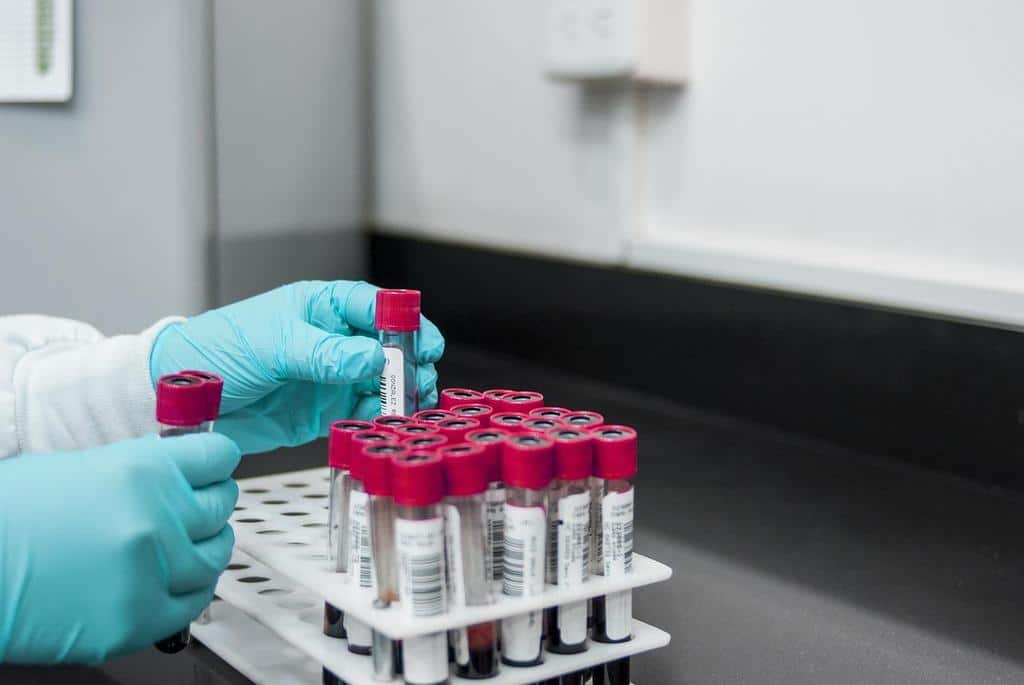
Blood testing is a highly accurate method for drug detection that offers comprehensive insights into recent and ongoing drug use. By analyzing a blood sample, this technique can provide precise information regarding the concentration of drugs in the bloodstream. Blood tests are particularly valuable in forensic investigations, where they can be used to determine drug involvement in criminal cases and provide evidence for legal proceedings. Additionally, blood testing is instrumental in cases where there is suspicion of drug impairment, such as driving under the influence.
The ability to detect drugs in real time makes blood testing effective for identifying acute drug intoxication. However, it’s important to note that blood testing requires trained professionals and specialized equipment to ensure accurate collection and analysis of samples. In addition, this method is more invasive than other drug detection methods, and the process should be conducted in a controlled medical or laboratory setting to maintain reliability and accuracy.
Hair Test
Hair testing is a specialized method of drug detection that provides insights into long-term drug use patterns. It involves analyzing hair strands to detect drug metabolites that have been incorporated into the hair shaft over a period of several months. This makes hair testing particularly effective for identifying chronic drug use. By examining different segments of the hair, a timeline of drug use can be established, revealing patterns of substance abuse over an extended period. However, hair testing is less suitable for determining recent drug use, as it takes time for drug metabolites to be deposited in the hair.
This method can detect a wide range of substances, including cannabis, cocaine, opioids, amphetamines, and more, providing a comprehensive overview of an individual’s drug history. In addition, hair testing offers advantages such as a longer detection window and the inability to be tampered with easily, making it a valuable tool in forensic investigations, workplace drug tests, and rehabilitation facilities.
Sweat Patch Test
Sweat patch testing is a specialized method utilized primarily in drug treatment programs and for monitoring individuals on probation. It involves affixing a patch to the individual’s skin, which collects sweat over a specific period for subsequent analysis of drug metabolites. This method offers the advantage of continuous monitoring over an extended period, usually up to two weeks.
By analyzing the sweat collected in the patch, sweat patch testing can detect the presence of various drugs, providing valuable information about an individual’s drug use patterns. Sweat patch testing is particularly useful in situations where ongoing monitoring and adherence to drug-free protocols are critical, such as in drug rehabilitation programs or probationary settings. It is a non-invasive and reliable means of detecting drug use, promoting accountability, and facilitating effective treatment and supervision.
Breath Test
Breath testing is commonly used to detect alcohol consumption by measuring the concentration of alcohol in exhaled breath. However, emerging technologies aim to extend breath testing to detect drugs as well. Breath tests offer non-invasive and rapid results, making them suitable for roadside drug screening. While breath tests for drugs are not as widely adopted as those for alcohol, ongoing research and development show promise.
Drug detection methods play a crucial role in ensuring safety, compliance, and well-being in various settings. These methods, such as saliva testing, urine testing, blood testing, hair testing, and sweat patch testing, provide valuable insights into drug use patterns and help identify recent or long-term substance abuse. However, each method has its own advantages and limitations, offering different detection windows and levels of invasiveness.


