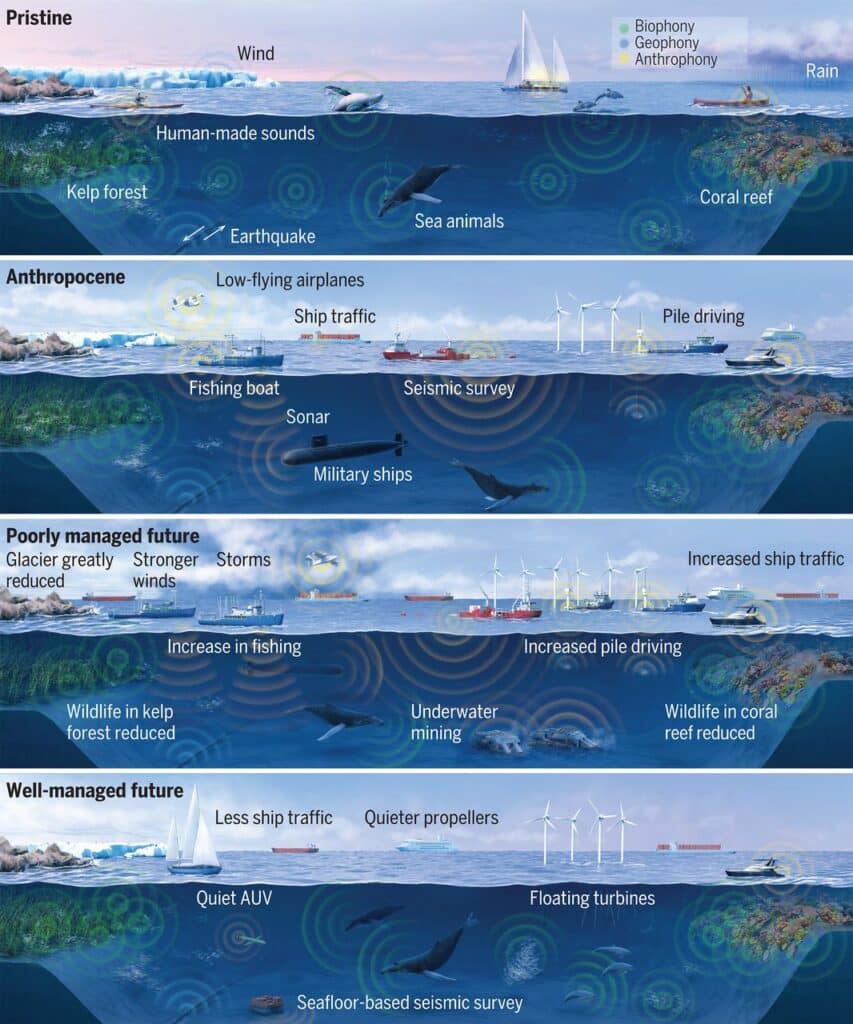
Human activity isn’t only changing the planet’s surface and temperature, but also its sounds. The shifts are detectable even in the open ocean, having a profound impact on marine life.
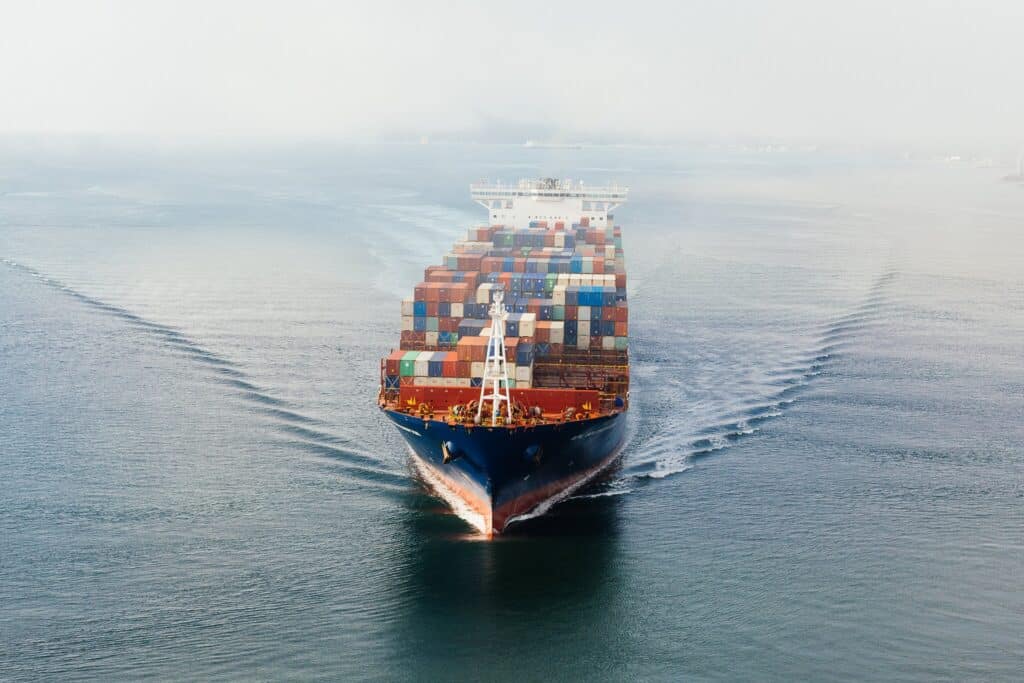
A major review of the impacts of anthropogenic ocean noise, published on February 4 in Science, found that noise from vessels, sonar, drilling platforms, seismic surveys, pile drivers, construction, air guns, dynamite fishing, speedboats, jet skis, and even surfing has turned the ocean into an unbearably noisy place for marine life. This noise damages marine animals’ hearing, changes their behaviors, and threatens their ability to survive.

The paper, a collaboration among 25 authors and various marine acoustics fields, is the largest mix of evidence on oceanic noise pollution impacts, with over 10K papers on the topic reviewed.
Researchers found that overfishing and habitat loss have decreased ocean life sounds in one of the reviewed papers. Evidence also showed that noise from fossil fuel exploration and shipping traffic harms fish, marine mammals, invertebrates, sea birds, and reptiles.
“When people think of threats facing the ocean, we often think of climate change, plastics, and overfishing. But noise pollution is another essential thing we need to be monitoring,” marine ecologist Neil Hammerschlag, from the University of Miami, who wasn’t involved with the paper, told The Associated Press.
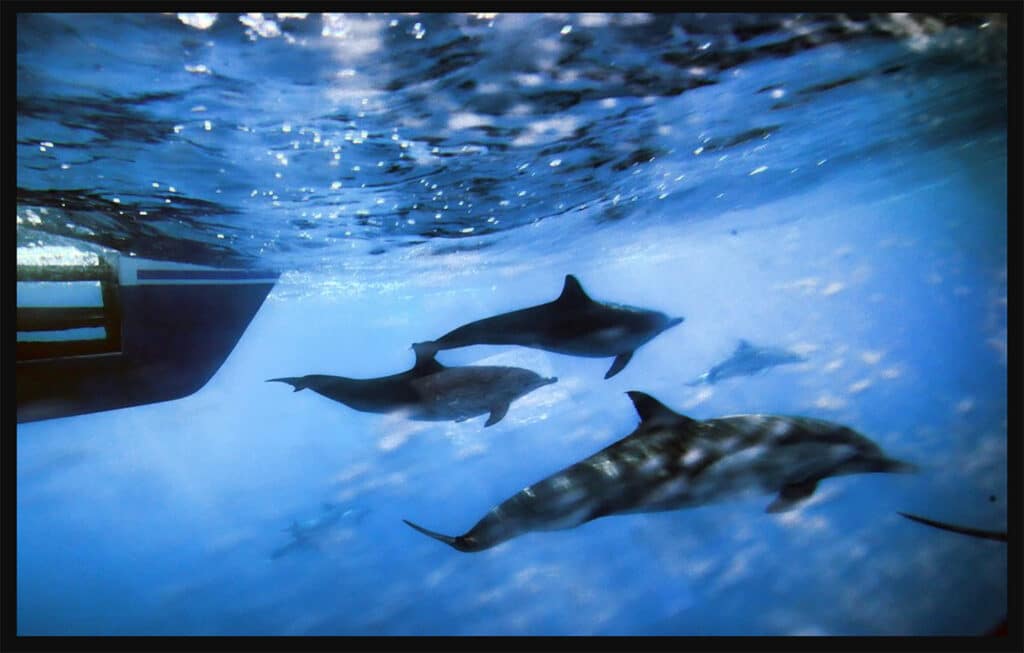

The swishes and groaning of coral reefs and singing of whales contribute to an underwater soundscape that’s drastically changing due to human activity. Sound is crucial to how ocean animals navigate their environments and communicate with each other. Sea creatures can only see tens of yards away and detect a chemical signal from hundreds of yards. However, sound can travel thousands of miles, which is why marine life has evolved to emit and detect it.
Some examples of how human-caused noise pollution is affecting marine creatures include:
- Killer whales have been driven away from their natural habitat after salmon farms in British Columbia’s Broughton Archipelago installed sonic harassment devices to keep seals from eating the fish. The devices were removed after workers realized the consequence.
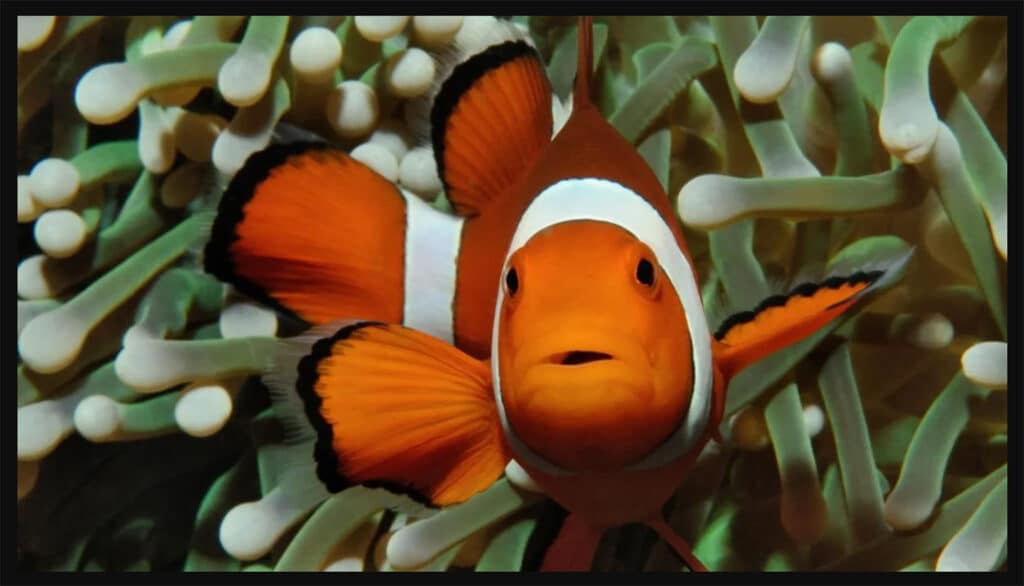
- After drifting in the ocean as larvae, clownfish use sounds to guide them back to the coral reefs where they were born. However, noise can obscure the sounds of coral, causing some clownfish to drift forever.

Duarte told The New York Times:
The soundtrack of home is now hard to hear, and in many cases, has disappeared.
The study also found that the climate crisis is altering the sounds from geophysical sources such as storms and sea ice. While this is worrying news, there’s still a chance to do something about it. As the study points out, noise is point-source pollution, which means you can recognize the place or source causing the problem and remove it, reversing its impact.
Since noise isn’t mentioned in the UN’s Law of the Sea B.B.N.J. agreement or its 14th sustainable development goal, the researchers hope that their findings will encourage policymakers to take ocean noise more seriously.