
Couples worldwide who have tried unsuccessfully to conceive can testify that many things can go wrong when human sperm cells meet an egg. Thankfully, scientists have discovered a novel protein, MAIA, used by eggs to attract sperm, which may one day lead to improved methods of preventing pregnancy and treatment of infertility. The protein has been found to help sperm fuse with an egg, and its function in human fertility is essential to the survival of the species.
Infertility Overview
Infertility may be caused by a problem with you, your spouse, or by a combination of factors working together to prevent conception.
A single misstep in the long chain of molecular activities that make up fertilization can determine whether or not an embryo is conceived. These events must take place precisely when directed, in the correct order, and at the proper time. As a result, a substantial percentage of infertile couples cannot pinpoint the exact cause. Infertility affects 10%-15% of couples in America.
Sperm Count Zero
The mysterious drop in sperm counts over the past few decades has been a cause for concern among scientists and medical professionals. This phenomenon, known as sperm count zero, is thought to be caused by a combination of environmental factors such as exposure to endocrine-disrupting chemicals, lifestyle choices such as smoking and drinking, and even stress. The effects of this decline are far-reaching; it could lead to infertility in men and, ultimately, the inability to reproduce entirely.
The implications of Sperm Count Zero are far-reaching and potentially devastating. Not only would it mean an inability to reproduce, but it could also lead to a decrease in overall male health and well-being. It is essential that we take steps now to address this issue before it becomes too late. Research into potential causes should be conducted, and preventive measures should be taken in order to ensure the continued fertility of our species.
This is why getting to know MAIA is crucial; studying this protein can help us understand aspects of infertility as well as curb a potential infertility crisis in the near future.
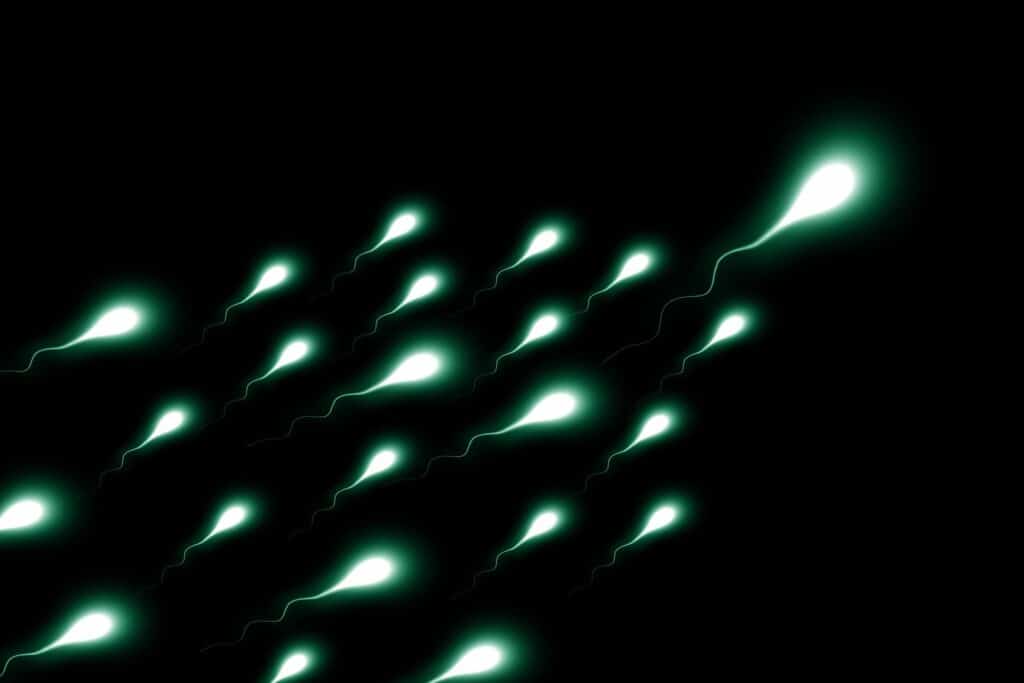
Microplastics
Microplastics are becoming a growing concern due to their potential toxicity and impact on human health. Research suggests that microplastics taken into the human body can bioaccumulate, even in the testicles, and negatively affect sperm quality. The size and makeup of microplastics play a big role in determining the potential harm they can cause to people and the environment. microplastics can also carry harmful pollutants that can have even greater effects, but this is not well understood yet.
Recent studies have found microplastics in our lungs, human waste, cancer tissue, and the placenta, causing concern about their potential role in causing diseases, impacting successful pregnancy, and being passed down from one generation to the next. Studies in rats have also shown that exposure to microplastics can lead to health problems for their offspring and changes in their genes that can be passed on. These findings underline the importance of further investigating the potential dangers of microplastics.
The Study
Scientists from the University of Sheffield conducted a new study to learn more about proteins on the surface of eggs and how they may aid or hinder sperm attempting to attach to them. First, the team created imitation eggs out of thousands of beads, each containing a unique peptide on its surface. Next, they incubated them with sperm to determine which beads (and thus which peptides) attracted the most significant numbers of sperm.
The scientists ran these tests in multiple iterations, removing beads that couldn’t draw in enough sperm. The beads that had consistently attracted sperm from all five donors were eventually all that remained. When the team looked more closely, they discovered a particular protein connected to these successful imitation eggs.
“What we know about fertility in humans has been severely limited by ethical concerns and the lack of eggs for research,”
Said Professor Harry Moore, the study’s lead investigator.
According to Professor Allan Pacey, Co-Author of the study and Head of the University of Sheffield’s Departments of Oncology and Metabolism and Infection, Immunity and Cardiovascular Disease:
“This discovery of the MAIA protein is a major step forward in how we understand the process of human fertilisation.
it would have been impossible to discover [MAIA] without the use of artificial beads to replicate the surface of human eggs as we simply wouldn’t have been able to get enough eggs to do the experiment.”

The MAIA Protein
The scientists who discovered the protein named it MAIA in honor of the Greek goddess of motherhood. To learn more, the team cultured human cells with the MAIA-related gene added and found that these cells also became more responsive to sperm. This shows that MAIA is essential for sperm entering and fertilizing the egg.
The discovery of MAIA provides insight into the complexity of mammalian fertilization and suggests that it may offer a cryptic sexual selection mechanism to avoid genetic incompatibility and achieve favorable fitness outcomes. The importance of this finding lies in its potential implications for understanding reproductive biology at the molecular level, which could lead to new strategies for fertility treatments or even contraception. Further research is needed to fully understand the role of MAIA in gamete fusion and its implications for reproductive health.
The discovery of the MAIA protein may shed light on previously unrecognized causes of infertility and lead to the development of effective novel therapies for enhancing or suppressing fertility.
Professor Harry Moore concluded:
“Infertility is unexplained in more than half of those who struggle to conceive naturally. The ingenious artificial fertilisation technique which enabled us to identify the MAIA protein will not only allow scientists to understand the mechanisms of human fertility better but will pave the way for novel ways to treat infertility and revolutionize the design of future contraceptives.”
The study was published on Sep 7, 2022, in Science Advances.


