
Cultivating marijuana plants requires careful attention to detail and a thorough understanding of their unique needs throughout their lifecycle. Proper plant care is essential for maximizing yield, potency, and quality from germination to harvest. This guide provides valuable tips and insights for cultivating healthy and thriving marijuana plants.

Caring for Your Marijuana Plants: Tips for Healthy Growth
1. Start with Quality Genetics
The foundation of successful marijuana cultivation begins with selecting high-quality genetics. Choose reputable seed banks or nurseries with reliable genetics and desirable traits such as potency, flavor, and disease resistance. Whether growing from seeds or clones, starting with healthy and vigorous plants sets the stage for a successful harvest.
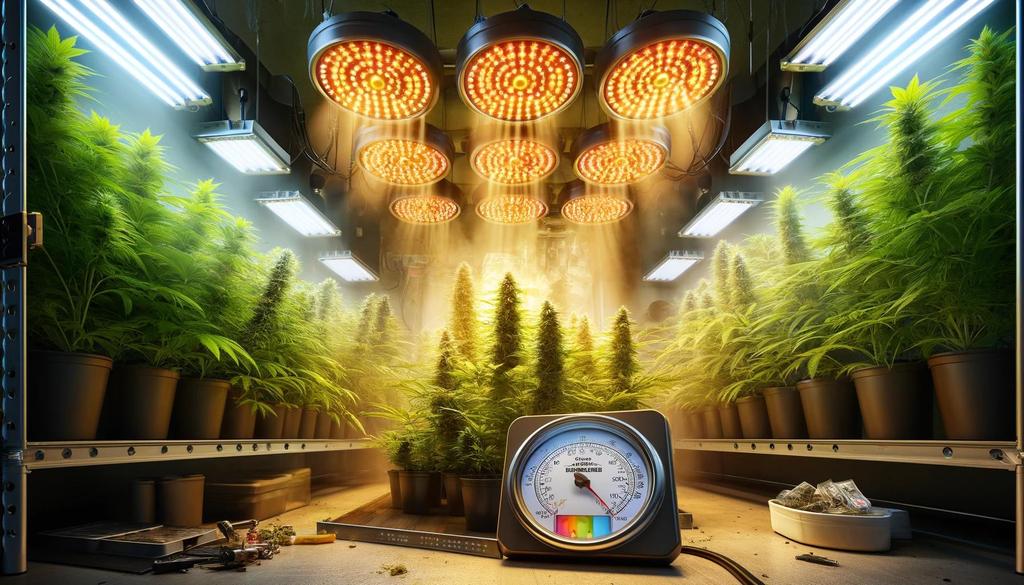
2. Provide Optimal Growing Conditions
Marijuana plants thrive in specific environmental conditions, including lighting, temperature, humidity, and airflow. Indoors, invest in quality grow lights that mimic the spectrum of natural sunlight and maintain consistent temperatures between 70-85°F during the day and slightly cooler at night. Humidity levels in the growing space should be monitored between 40-60% to prevent mold and mildew growth. Adequate airflow is essential for avoiding stagnant air and promoting healthy plant development.
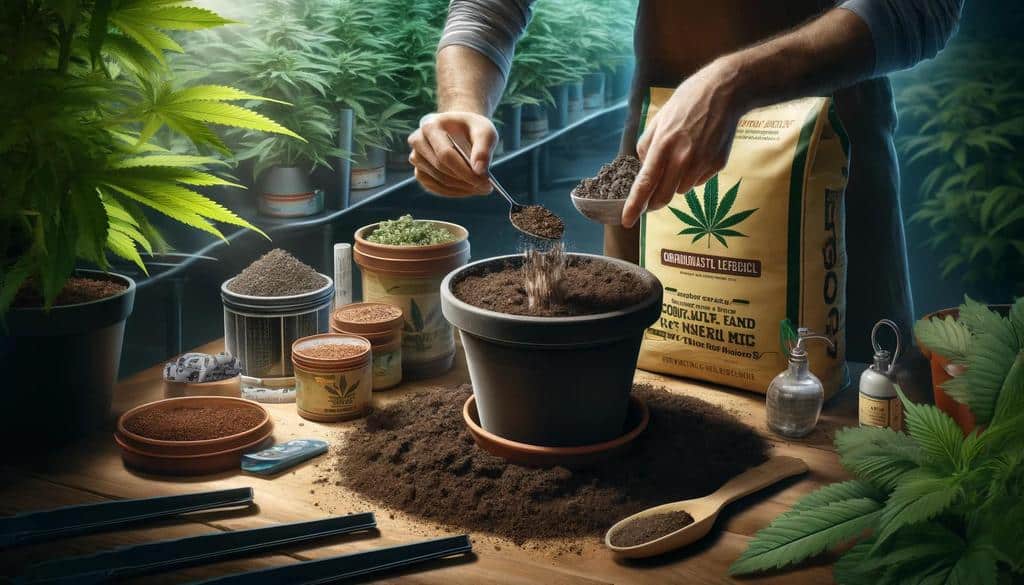
3. Use Quality Growing Medium
The right growing medium is crucial for providing marijuana plants with essential nutrients and oxygen. Choose a well-draining soil mix or hydroponic system tailored to the needs of cannabis cultivation. Avoid compacted soils, or heavy clay mixes that impede root development and lead to soggy conditions. Consider incorporating organic amendments or nutrient-rich supplements to enhance soil fertility and promote robust plant growth.
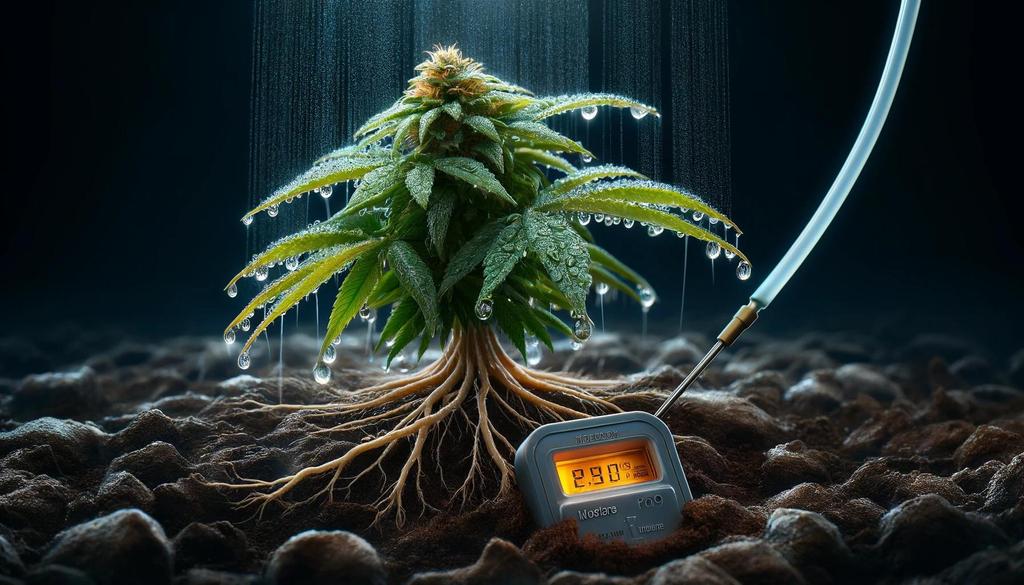
4. Implement Proper Watering Techniques
Watering marijuana plants correctly is vital for maintaining optimal moisture levels and preventing overwatering or underwatering. Develop a watering schedule based on your plant’s specific needs, considering factors such as humidity, temperature, and plant size. Water plants thoroughly until runoff occurs, allowing excess water to drain away and preventing saturated soil conditions. Monitor soil moisture levels regularly and adjust watering frequency to avoid stress or nutrient imbalances.
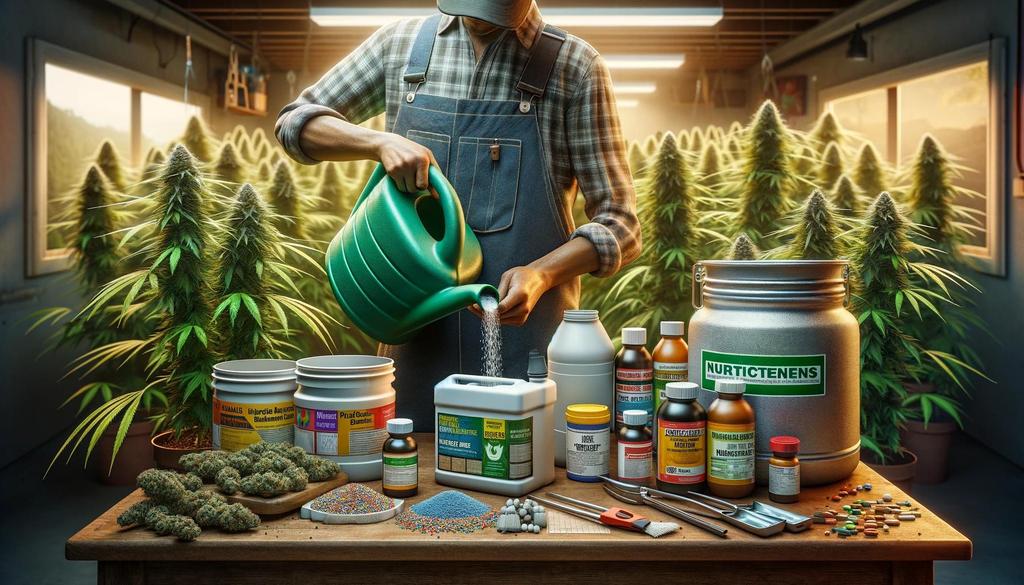
5. Nutrient Management
Providing marijuana plants with essential nutrients supports healthy growth and development. Use high-quality fertilizers or nutrient solutions formulated explicitly for cannabis cultivation to avoid overfeeding or nutrient deficiencies. Monitor plant health closely and adjust nutrient levels based on signs of nutrient imbalances such as yellowing leaves or stunted growth. Additionally, consider incorporating organic amendments or microbial inoculants to improve soil health and nutrient uptake.

6. Pruning and Training
Pruning and training techniques can help optimize yield and maximize space in both indoor and outdoor cultivation settings. Regularly prune away excess foliage and lower branches to improve airflow and light penetration throughout the canopy. Consider using techniques such as topping, low-stress training (LST), or the screen of green (SCROG) method to encourage lateral branching and increase bud production. Training plants early in the vegetative stage promotes even canopy development and facilitates light distribution, leading to larger yields at harvest.
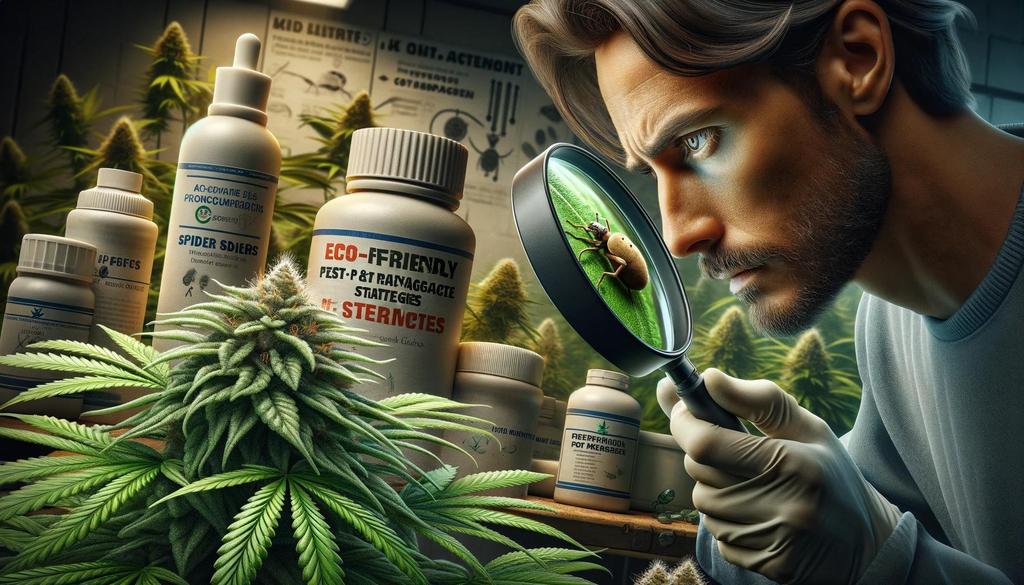
7. Pest and Disease Management
Preventing pest infestations and disease outbreaks is crucial for maintaining the health and vitality of marijuana plants. Implement integrated pest management (IPM) strategies such as regular monitoring, sanitation, and biological controls to minimize the risk of pests such as aphids, spider mites, and whiteflies. Additionally, good hygiene and sanitation practices should be implemented to prevent the spread of fungal diseases such as powdery mildew or botrytis. Consider using natural pest deterrents or organic pesticides to manage pest populations while minimizing environmental impact.

8. Harvesting and Curing
Properly timing the harvest and implementing a thorough curing process is essential for preserving the potency, flavor, and overall quality of marijuana buds. Harvest plants are typically indicated by milky white or amber-colored resin glands when trichomes are at their peak ripeness. Trim away excess foliage and hang harvested buds upside down in a dark, well-ventilated space to dry slowly. Once dry, transfer buds to airtight containers and burp them regularly to release excess moisture and prevent mold growth. Allow buds to cure for several weeks to enhance flavor and aroma before consumption.
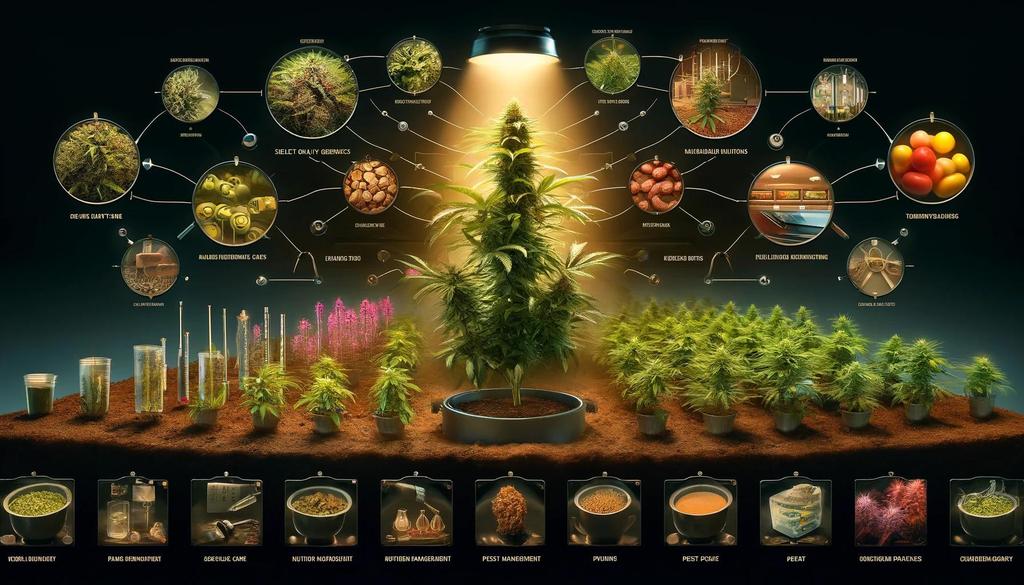
Master Marijuana Cultivation: Growing Healthy and Thriving Plants
Cultivating healthy and thriving marijuana plants requires dedication, patience, and attention to detail. By providing optimal growing conditions, proper nutrition, and proactive pest management, growers can ensure successful harvests of high-quality cannabis.
Whether indoors or outdoors, following these tips and best practices will help maximize yield, potency, and overall plant health, resulting in a rewarding and fulfilling cultivation experience. Explore resources for more insights on the physical features of Marijuana plants.

