
The precise measurement of fluids is not only important but also critical in a wide range of industries. From the intricate world of medical and scientific research, where accurate fluid measurement can lead to groundbreaking discoveries, to the creative realm of culinary arts, where the right balance of ingredients can transform a dish into a masterpiece. Even in the meticulous domain of automobile maintenance, where precise fluid measurement ensures optimal performance and longevity of the vehicle.
This comprehensive guide is designed to expertly navigate you through the diverse methods and tools employed for safe and precise measurement of various types of fluids. It goes beyond the basics and delves into the nuances of fluid measurement, covering topics such as viscosity, density, and flow rate. Whether you’re a curious learner, eager to expand your knowledge, or a seasoned professional seeking to refine your skills. This guide will equip you with the in-depth understanding and practical techniques needed to master the art of fluid measurement.

Understanding Fluid Measurement
Before we delve into the specifics, it’s crucial to have a comprehensive understanding of what fluid measurement truly encompasses. Essentially, it involves the meticulous determination of the volume or mass of a liquid or gas, which can be influenced by various factors such as temperature, pressure, and viscosity. The chosen method for fluid measurement can vary depending on the nature of the fluid, its unique properties, and the desired level of precision required for accurate calculations and analysis. By carefully considering these variables, scientists and engineers can ensure reliable and precise measurements vital for a wide range of applications in fields such as physics, chemistry, engineering, and beyond.
Tools for Measuring Fluids
There is a wide array of tools available for fluid measurement, each with its unique advantages and specific uses. Laboratories often employ graduated cylinders, which are tubes made of glass or plastic that have marked lines representing different volumes. These cylinders are fantastic for reasonably accurate measurements of liquid volumes.
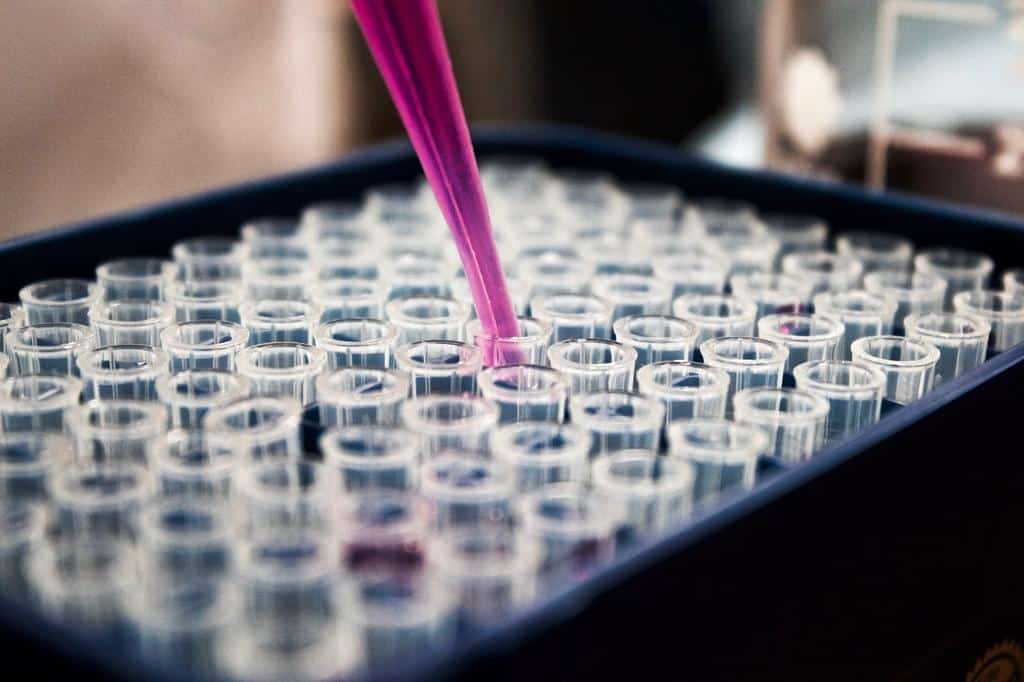
For more precise measurements, pipettes and burettes come into play. Pipettes transport a measured volume of liquid, whereas burettes have a bottom valve that allows for the discharge of an exact fluid volume. Volumetric flasks offer a high degree of precision, designed to contain a specific liquid volume when filled to the neck mark. In industrial settings where large gas or liquid volumes need measurement, flow meters are the go-to tools as they measure the fluid flow rate through a pipe.
Workers also commonly use magnetic level gauges in industrial applications, especially useful in high-temperature, high-pressure, and corrosive environments, to measure fluid levels using a magnetically coupled shuttle. Lastly, dipsticks, a familiar tool in automotive maintenance, are used to measure the fluid level in a reservoir, like engine oil in a car.

Safety Measures When Handling Fluids
When measuring fluids, especially hazardous ones, safety should always be the top priority. It is crucial to take necessary precautions to protect yourself and others. Here are some detailed safety measures to keep in mind:
- Wear Protective Gear: Always ensure that you are wearing the appropriate personal protective equipment (PPE), such as gloves, lab coats, and safety glasses. These will shield you from potential harm, especially when handling and measuring corrosive or toxic fluids.
- Use Appropriate Tools: Using the correct tools and equipment for the specific fluid you are measuring is essential. Different fluids may require different materials or containers to prevent any risk of dissolution or deformation. Always take into consideration the chemical compatibility of the fluid and the tools you are using.
- Proper Disposal: Once you have finished measuring the hazardous fluids, it is crucial to dispose of them properly according to the local regulations and guidelines. This ensures that the hazardous substances do not pose any harm to the environment or human health. Familiarize yourself with the appropriate disposal methods to prevent any potential contamination.
- Avoid Cross-Contamination: To maintain accurate measurements and prevent unwanted reactions, cleaning your tools thoroughly between measurements is important. This will help to avoid cross-contamination of fluids and ensure the reliability of your results. Proper cleaning procedures will vary depending on the nature of the fluids being measured, so make sure to follow the recommended cleaning practices.
By following these detailed safety measures, you can minimize the risks associated with measuring hazardous fluids and create a safer working environment for everyone involved. Remember, safety is paramount when dealing with potentially dangerous substances.

Tips for Precise Fluid Measurement
Here are some expert tips to achieve precise fluid measurement:
Read at Eye Level:
When measuring liquids in a graduated cylinder or burette, it is crucial to read the measurement at eye level and precisely at the bottom of the meniscus. The meniscus, which is the curve seen at the top of the liquid, can affect the accuracy of your measurement. You can obtain more precise results by ensuring you are at eye level and reading at the bottom of the meniscus.
Pre-rinse Your Tools:
If you are using pipettes or burettes, it is recommended to pre-rinse them with the same fluid you will be measuring. This pre-rinsing step helps to eliminate any residue or contaminants that might interfere with the accuracy of your measurement. By taking this extra precaution, you can ensure more reliable and precise readings.
Consider Temperature:
It is essential to take into account that the volume of fluids can be affected by temperature variations. If precision is of utmost importance in your measurements, it is advisable to take readings at a consistent temperature. This way, you can minimize any potential discrepancies caused by temperature fluctuations and obtain more accurate results.
By following these detailed tips, you can enhance the precision and accuracy of your fluid measurements, ensuring reliable data for your scientific experiments or any other application that demands exactness.
Accuracy and Efficiency of Measuring Various Fluids
Measuring fluids accurately and safely is an essential skill that transcends numerous fields, from scientific research to industrial applications. By gaining a comprehensive understanding of the intricacies of fluid measurement tools and techniques, as well as implementing key safety measures, you can guarantee precise and reliable results in all your fluid measurement tasks. This knowledge empowers you to navigate the complexities of fluid dynamics, account for varying viscosities, and adapt to different environmental conditions, ensuring the utmost accuracy and efficiency in your work.


