
Protecting a hard-earned operation carries a heavy burden of responsibility for Stamford small business owners. For years, the gold standard of safety was a simple data backup—a digital safety net designed to catch you if you fell. You likely felt a sense of security knowing your files were mirrored somewhere else, believing that the “check the box” task of backing up was the final word in disaster prevention.
Traditional safety nets no longer suffice as the digital landscape undergoes rapid, unpredictable changes. Today, a data backup is merely a single piece of a much larger, more complex security puzzle. To truly safeguard your future, you must transition from a reactive posture of recovery to a proactive culture of resilience. This shift ensures that your business doesn’t just survive a crisis but remains fundamentally operational throughout it.
The reality is that just having a copy of your data is no longer enough. You need a strategy that keeps your business operational, not just recoverable.
This is the core of IT resilience. It’s a comprehensive approach designed to keep your systems running through any challenge. According to Gartner, IT resilience is “an organization’s ability to maintain an acceptable level of IT service in the face of faults and challenges to normal operations.”
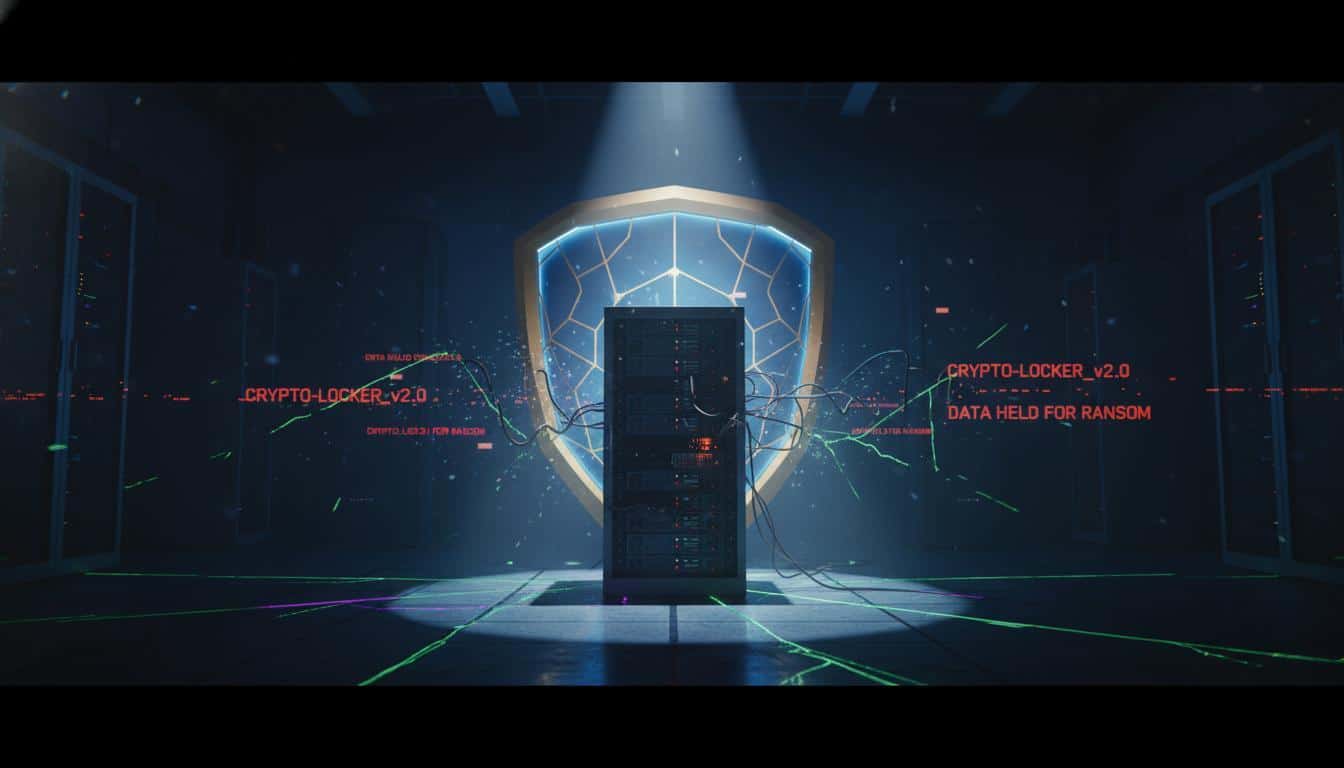
Protecting Your Future: Why Relying on Backups is a Strategic Risk
Many business owners rest easy believing their backups are a silver bullet. But that sense of security is often an illusion. A backup is a copy of your data from a specific point in time, and its only job is to help you recover after something has already gone terribly wrong. Resilience, on the other hand, is about preventing that disaster or minimizing its impact so that recovery is swift and seamless.
Today’s Threats Go Far Beyond Data Loss
Small business insignificance is a costly myth that invites targeted digital attacks. SMBs represent prime targets for hackers specifically because they lack the sophisticated defenses found in larger enterprises. A 2023 report from Verizon revealed that nearly 61% of all data breaches targeted smaller organizations, proving you’re squarely in the crosshairs.
While a backup provides a final fallback, it cannot address the live complexities of a modern security breach. Relying solely on a file copy ignores the dynamic nature of today’s technical environment.
Consider these primary threats that a traditional backup strategy fails to mitigate in real time:
- Sophisticated Cyberattacks: Sophisticated ransomware infiltrates networks to aggressively encrypt live data alongside connected backup drives.
- Sudden Hardware Failure: Critical equipment failures halt operations instantly, and restoring data to new hardware can leave teams idle for days.
- Critical Human Error: Accidental deletions or compromised links cause immediate productivity stops that a slow restoration process cannot undo.
Addressing these hidden vulnerabilities requires a shift toward active operational maintenance. By identifying these gaps early, you can implement failover systems that maintain uptime even during a localized crisis. Implementing comprehensive IT support in Stamford ensures that your business utilizes more than just file copies; it integrates immutable storage to thwart ransomware and failover systems that keep your team working even when primary hardware fails.
The Crippling Financial Cost of an Outage
Technical glitches like downtime inevitably translate into profound financial losses. Each moment your systems remain offline prevents your team from processing orders, contacting clients, or driving revenue. The direct and indirect costs accumulate with frightening speed.
Quantitative assessments reveal the staggering reality of operational risks. For many SMBs, the cost of a single hour of downtime can exceed $25,000. This number isn’t just about lost sales; it’s a combination of several damaging factors that often go uncalculated until it’s too late.
The true impact of an outage extends well beyond the initial tech failure. Financial damage often stems from secondary consequences that business owners overlook during a crisis.
Understanding these variables helps quantify the necessity of a resilient infrastructure:
- Lost Productivity: Paying wages for idle employees results in a direct and immediate financial drain on your resources.
- Reputational Damage: Frequent or extended outages erode the hard-earned trust of your clients and question your brand’s stability.
- Regulatory Penalties: Data breaches leading to downtime often trigger heavy fines for non-compliance with data protection regulations like HIPAA or GDPR.
- Emergency Expenses: Reactive “break-fix” fees from consultants often carry exorbitant premiums compared to planned maintenance.
Quantifying these risks provides a clear roadmap for strategic investment. Moving toward a managed model ensures these costs remain theoretical rather than reality.

Building a Proactive IT Strategy: Achieving Lasting Operational Stability
Clinging to a ‘backup and hope’ model in today’s high-velocity digital market is no longer a viable plan; it is a high-stakes gamble with your organization’s longevity. The sophisticated nature of modern threats, combined with the staggering financial impact of downtime, demands a more rigorous and intentional approach.
Peace of mind does not come from a single software solution, but from a comprehensive strategy that anticipates disruptions before they can paralyze your workflow.
Engineering resilience represents a critical investment in the longevity of your brand. It marks the transition from being a victim of technical circumstances to becoming a master of your operational environment. Aligning technology with long-term business goals ensures IT issues remain minor, manageable events.

Essential FAQ on IT Resilience and Data Protection
1. Why is a standard data backup not enough for business continuity?
Backups are static recovery tools, whereas resilience maintains continuous, live operations during crises.
2. What is the real cost of server downtime for a small business?
For many Stamford SMBs, downtime costs can exceed $25,000 per hour when factoring in lost productivity, reputational damage, and emergency repair fees.
3. How does IT resilience protect my business from ransomware?
True resilience utilizes multi-layered defenses like immutable storage and failover systems, preventing attackers from encrypting your backups along with your live data.
4. What are the key pillars of a proactive IT strategy?
The core pillars include constant system monitoring, robust cybersecurity protocols, modern disaster recovery planning, and strategic technology alignment.
5. How can I find reliable IT support in Stamford for resilience planning?
Partnering with a managed service provider that specializes in proactive business continuity ensures your infrastructure is built to withstand modern digital threats.
Key Takeaways
- Reactive “backup and hope” strategies provide a dangerously outdated defense for modern operations. It fails to address modern, sophisticated threats such as advanced cyberattacks and sudden hardware failures.
- The true cost of IT downtime for a Stamford SMB is staggering. It often exceeds $25,000 per hour and can cause significant, long-lasting damage to your brand’s reputation and customer trust.
- True IT resilience is a proactive strategy built on key pillars: constant monitoring, robust cybersecurity, modern disaster recovery, and strategic planning that aligns technology with your business goals.
- Shifting from a reactive “break-fix” model to a proactive, managed approach is the most effective way for a Stamford SMB to build resilience and turn IT into a stable, predictable asset instead of a source of crisis.

