
Modern wellness often centers on active spaces like the kitchen or home gym, yet the bedroom remains the most critical site for physiological recovery and long-term health. A well-designed sleep sanctuary serves as more than just a place of rest; it acts as an environmental variable that dictates the body’s ability to recalibrate. Spending time in a restorative sleep environment gently recalibrates the nervous system, influencing stress reactions at work, in traffic, and in family interactions.
By prioritizing cleaner air, calmer light, and safer materials, you directly influence sleep architecture and cognitive morning clarity. Small, steady decisions in this private domain create a ripple effect that touches every corner of the household. When the air remains pure and the materials are free from synthetic off-gassing, the immune system can focus on repair rather than defense.
Upgrading the day’s start through sustainable bedroom choices ensures the entire family rises with improved resilience and focus. These intentional adjustments transform a standard sleeping area into a proactive tool for vitality and holistic wellness.
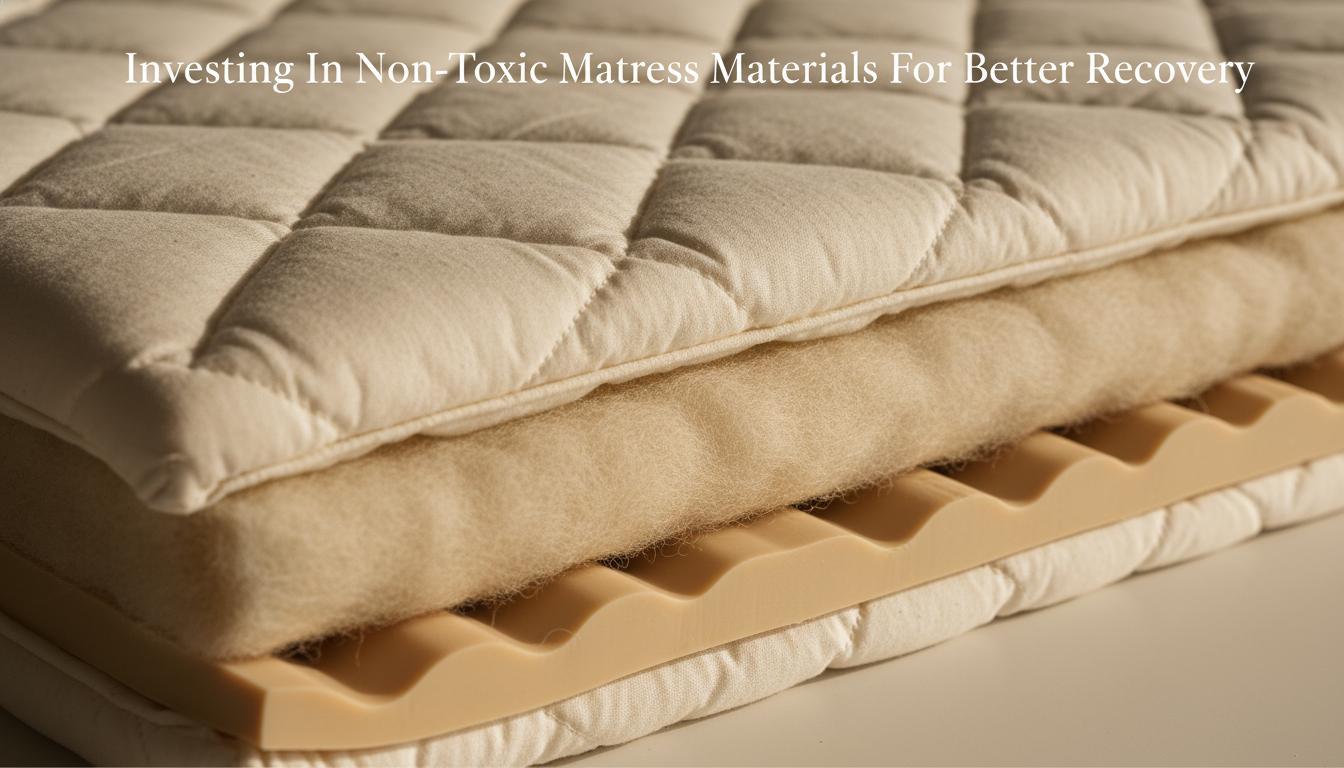
Investing in Non-Toxic Mattress Materials for Better Recovery
Most individuals dedicate a third of their existence to sleep, yet conventional mattresses often harbor toxins that force the lungs to work harder, preventing the brain from reaching deeper restorative states. Since the average person spends approximately one-third of their life on a mattress, the composition of that surface is a primary health consideration.
Traditional materials often harbor harmful substances that force the respiratory system to remain active throughout the night, preventing the brain from entering deeper restorative cycles.
Premium organic sleep solutions prioritize purity and performance to support biological health:
- Organic cotton and wool facilitate natural temperature regulation.
- Non-toxic foam models significantly reduce background tension and chemical odors.
- High-grade materials like those found in the Nest Bedding king mattress ensure durability.
- Specialized construction provides superior spinal support and cooler sleep.
Investing in a high-quality mattress represents a proactive step toward maintaining a chemical-free bedroom environment. Better materials prevent early sagging and heat retention, ensuring that your investment supports long-term physical recovery.
Selecting Organic Bedding and Sustainable Textiles
Daily interaction with bedding components—including sheets, duvets, and pillowcases—exposes the skin to various materials for eight to nine hours each night. Beyond the presence of dust mites and allergens, synthetic residues from hygroscopic materials can cause skin irritation and exacerbate environmental sensitivities.
When evaluating textiles for health, organic cotton, linen, and TENCEL remain the gold standard for keeping allergens out. These fibers are exceptionally breathable and easy to sanitize, ensuring a cleaner sleep surface. Investing in durable sets reduces the frequency of replacements and minimizes landfill waste.
Opting for natural, undyed fibers minimizes chemical exposure while streamlining morning routines by preventing skin irritation. These sustainable selections keep the mattress smelling fresh while fostering a more resilient sleep environment.
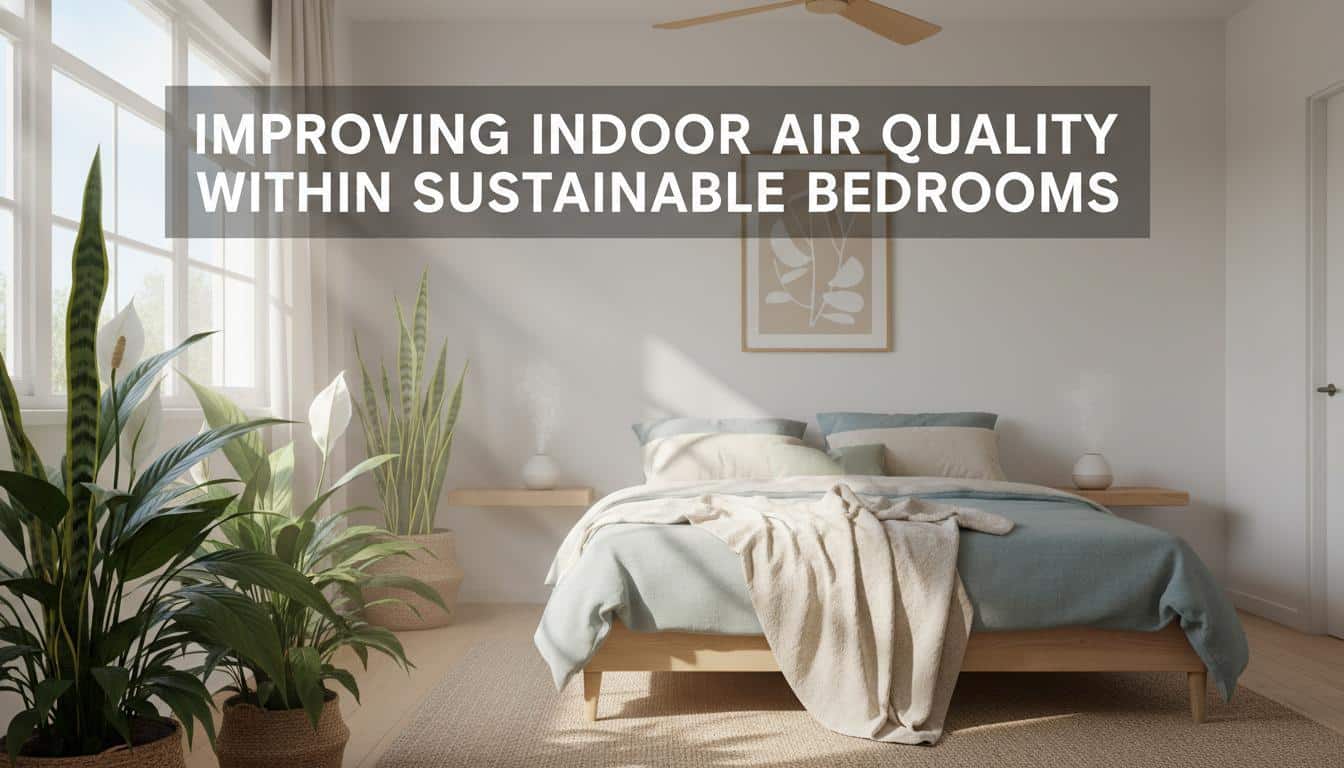
Improving Indoor Air Quality within Sustainable Bedrooms
Sustainable bedrooms go beyond things. Habits and everyday routines change. Less stuff means less dust and less turmoil for the brain to comprehend before bed. Light- and climate-appropriate plants filter air and soothe the room.
Removing synthetic room sprays and switching to unscented cleansers maintains air purity, while weekly dusting paired with HEPA-filtered vacuuming protects sensitive individuals from airborne irritants. The space feels significantly lighter, allowing the body to recover without processing environmental toxins during rest.
Energy-Efficient Lighting and Thermal Regulation for Sleep
Bedroom lamps softly regulate hormone balance and overnight recuperation because light influences the biological clock. Installing warm, low-blue LEDs promotes natural melatonin production, whereas blackout curtains effectively isolate the room from external light and noise.
A ceiling fan paired with breathable bedding can effectively substitute for air conditioning during warmer months to lower energy expenditures. Phantom energy drain is prevented by smart chargers and light power strips. These options save energy and reduce bedtime sensory stress. The room indicates the end of the day, promoting deep, uninterrupted sleep.

Integrating Sustainable Sleep Strategies for Longevity
Committing to non-toxic materials and optimized lighting signifies a dedication to biological recovery that far exceeds simple aesthetic trends. These components integrate flawlessly into the sleep sanctuary to facilitate long-term wellness and ensure consistent benefits throughout the entire nocturnal cycle.
By investing in non-toxic surfaces and breathable textiles, you cultivate an atmosphere where the brain and body can achieve the deep, restorative stages of sleep necessary for peak cognitive performance. As utility costs and environmental clutter decrease, the bedroom transforms into an intentional refuge where sustainable nightly choices foster a lasting culture of vitality.
A carefully curated sleep space sharpens decision-making and clarifies household priorities, fostering wiser choices regarding long-term health and property maintenance. Over time, these sustainable choices in one room nightly shape the household’s rhythm, fostering a culture of resilience and vitality that extends far beyond the bedroom walls.
A home that supports rest is a home that sustains life.
Sustainable Bedroom and Health FAQ
Why are non-toxic mattresses important for indoor air quality?
Conventional mattresses often release volatile organic compounds (VOCs) that degrade indoor air quality and can irritate the respiratory system during rest.
How do natural fibers like organic cotton improve sleep?
Natural fibers offer superior breathability and moisture-wicking properties, helping to regulate body temperature and reduce skin irritation compared to synthetic blends.
What are the best plants for bedroom air purification?
Snake plants, Aloe Vera, and Peace Lilies are excellent choices, as they help filter common toxins while increasing oxygen levels in the room overnight.
Can bedroom lighting impact morning energy levels?
Yes, warm-toned, low-blue lighting in the evening supports natural melatonin production, ensuring deeper sleep and more alert morning transitions.
How does reducing bedroom clutter affect mental health?
A minimalist environment reduces visual stimuli, which lowers evening cortisol levels and helps the brain enter a state of relaxation more quickly.


