
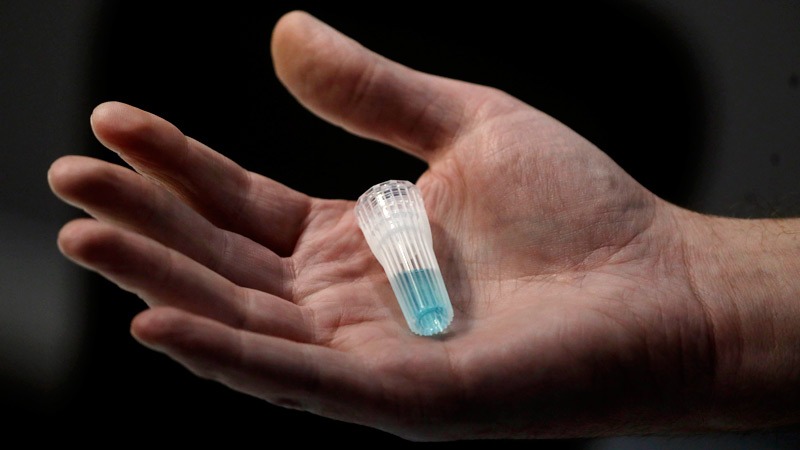
The FDA has granted a new saliva SARS-CoV-2 coronavirus test developed at the Rutgers University Cell and DNA Repository (RUCDR) emergency use authorization. This breakthrough method eliminates the need to wedge a nasal swab all the way into the back of the nose, which is excellent for the person being tested. Also, it’s safer for medical workers to administer, and it requires fewer materials (no cotton swabs needed), meaning if deployed at scale, it would make testing far more accessible.

Andrew Brooks, RUCDR’s director of technology development, said in a press release:
The impact of this approval is significant. It means we no longer have to put health care professionals at risk for infection by performing nasopharyngeal or oropharyngeal collections. We can preserve precious personal protective equipment for use in patient care instead of testing. We can significantly increase the number of people tested each and every day as self-collection of saliva is quicker and more scalable than swab collections. All of this combined will have a tremendous impact on testing in New Jersey and across the United States.
Taking a saliva test is more practical for healthcare workers in quarantine. They’ll be able to administer the tests to themselves and know precisely when they’re no longer infectious, so they can safely go back to work without putting anyone at risk.
Brooks continued:
Saliva testing will help with the global shortage of swabs for sampling and increase testing of patients, and it will not require health care professionals to be put at risk to collect samples. Saliva testing will also be important for people who are in quarantine because they don’t know how long it will be until they are no longer infectious. This will allow health care workers to release themselves from quarantine and safely come back to work.
This FDA approval of the saliva coronavirus testing approach is the second impactful announcement coming from RUCDR in recent days. The previous one involved the launch of a genetic testing service for COVID-19 that can handle testing thousands of samples per day. Now, combining the two achievements, they may be able to test tens of thousands of samples per day.


