
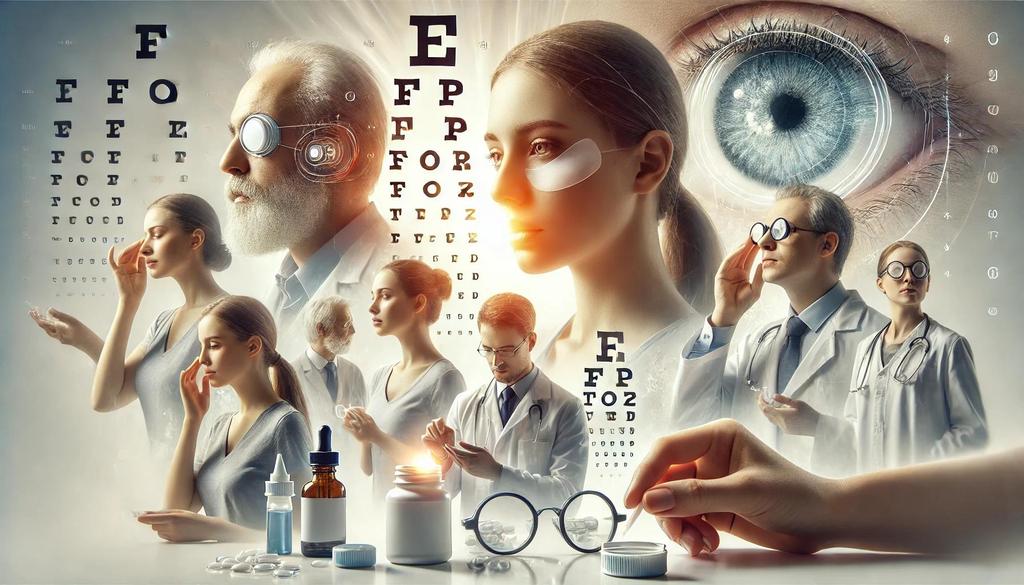
Eye health plays a critical role in enhancing our quality of life. As we age or face various challenges, many individuals encounter common eye conditions, such as dry eyes, nearsightedness, age-related macular degeneration, cataracts, glaucoma, and strabismus. While surgical interventions may seem like the primary solution, an array of non-surgical treatments offers effective management options for these conditions.
Understanding Non-Surgical Treatments for Eye Conditions
This article aims to provide an overview of non-invasive therapies tailored to treat and alleviate symptoms associated with prevalent eye problems. We will explore various approaches, including over-the-counter remedies, prescription medications, antioxidant supplements, and lifestyle modifications. By understanding these non-surgical alternatives, you can make informed choices that promote better eye health and enhance visual clarity. Join us as we investigate these solutions and empower you to improve eye health without resorting to surgical procedures.
1. Dry Eye Syndrome: Relief Without Surgery
Dry eye syndrome occurs when the eyes don’t produce enough tears or the tears evaporate too quickly. It can lead to discomfort, redness, and even blurry vision. While surgery is an option in severe cases, several non-surgical treatments can provide relief.
Over-the-Counter Drops
The simplest and most common solution for dry eyes is artificial tears. These lubricating drops can help moisten the eyes and reduce irritation. They are available without a prescription and can be used as needed to provide immediate relief.
Prescription Medications
Doctors may prescribe anti-inflammatory medications for more severe cases, like cyclosporine A (Restasis) or lifitegrast (Xiidra). These medications help reduce inflammation and increase tear production. They are typically used when over-the-counter drops are not enough to manage the symptoms.
Lifestyle Adjustments
Simple changes in daily routines can also help improve eye health and reduce dry eye symptoms. Using a humidifier in dry environments, wearing sunglasses outdoors to protect against wind, and taking regular breaks from screen time can all contribute to better eye health.
2. Nearsightedness (Myopia): Managing Vision Without Glasses
Nearsightedness, or myopia, is one of the most common refractive errors. It occurs when the eye is too long or the cornea has too much curvature, causing distant objects to appear blurry. While glasses or contact lenses are common treatments, there are non-surgical options to manage nearsightedness and improve vision.
Orthokeratology (Ortho-K)
Orthokeratology is a non-surgical method that involves wearing specially designed contact lenses overnight. These lenses gently reshape the cornea while you sleep, temporarily improving vision during the day.
This treatment can reduce or eliminate the need for glasses or contacts during waking hours. It’s a great option for people who want to avoid surgery but still improve their vision.
Atropine Eye Drops
Atropine eye drops are sometimes prescribed to slow the progression of myopia in children. Low-dose atropine can help prevent the eyes from getting worse over time. It’s not a cure for myopia, but it can be a useful tool to manage the condition and reduce the need for stronger prescriptions.

3. Age-Related Macular Degeneration (AMD)
Age-related macular degeneration (AMD) is a leading cause of vision loss in older adults. AMD affects the macula, the part of the eye responsible for sharp, central vision. While there’s no cure for AMD, several non-surgical treatments can help slow its progression and improve eye health.
Antioxidant Supplements
Studies have shown that certain vitamins and minerals, including vitamin C, vitamin E, zinc, and lutein, can reduce the risk of AMD progression. The Age-Related Eye Disease Study (AREDS) found that a combination of these nutrients could slow the development of AMD in some people. Taking supplements may help protect the macula and maintain vision for longer.
Anti-VEGF Injections
In cases of wet AMD, which involves abnormal blood vessel growth in the eye, anti-VEGF (vascular endothelial growth factor) injections can be effective. These injections are designed to block the proteins that cause abnormal blood vessels to form, helping to slow vision loss. While these injections require a doctor’s supervision, they are a non-surgical treatment option for people with wet AMD.
Laser Therapy
Laser therapy has the potential to destroy abnormal blood vessels or repair damage to the macula in certain cases. This procedure is minimally invasive and does not require full surgery. It can help stabilize vision for some people with AMD.
4. Cataracts: Non-Surgical Management Before Surgery
Cataracts, a clouding of the lens in the eye, are most common in older adults. While severe cataracts often necessitate surgery, non-surgical treatments can postpone surgery and enhance eye health.
Eyeglasses and Magnifiers
As cataracts develop, they can cause blurry or dim vision. Prescription eyeglasses with stronger lenses can improve clarity and reduce the impact of cataracts. Magnifying glasses can also help with reading or other close-up tasks.
Lifestyle Changes
Wearing sunglasses that block UV rays can help slow the progression of cataracts. Limiting exposure to bright lights and avoiding glare by wearing hats with wide brims or using anti-glare lenses can also make a difference.
Dietary Changes
A diet rich in antioxidants can help slow the development of cataracts. Studies have linked foods high in vitamins C and E, such as oranges, spinach, and nuts, to a lower risk of cataract formation. Including more of these foods in your diet may help improve eye health over time.
5. Glaucoma: Managing Eye Pressure Without Surgery
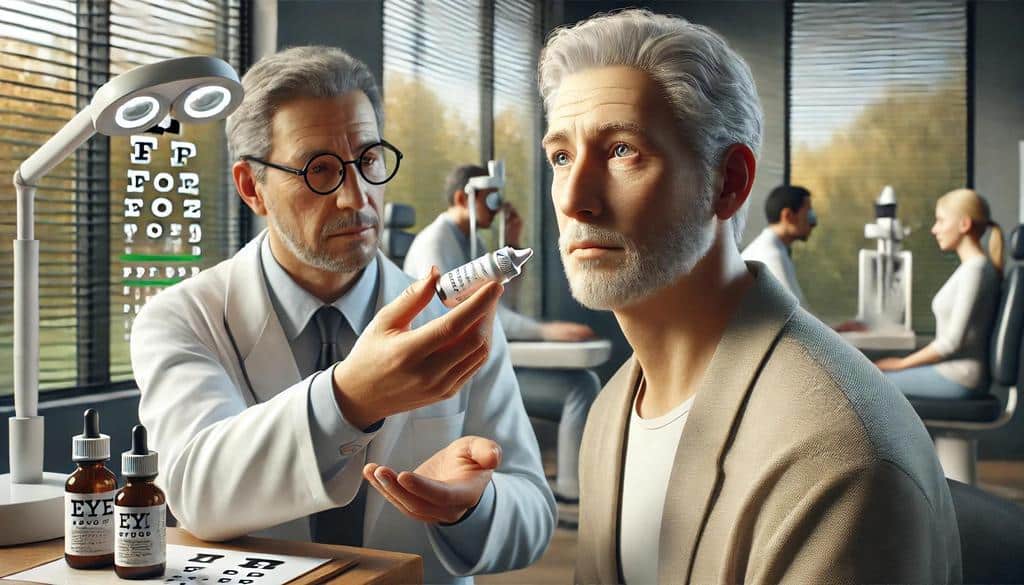
Glaucoma is a group of eye conditions that damage the optic nerve, often caused by high intraocular pressure. If left untreated, glaucoma can lead to permanent vision loss. However, there are non-surgical treatments available to manage eye pressure and preserve vision.
Medications
Prescription eye drops are the most common non-surgical treatment for glaucoma. These drops reduce eye pressure by either decreasing the production of fluid in the eye or improving its drainage. Common medications include prostaglandin analogs, beta blockers, and alpha agonists. These treatments are typically used to manage glaucoma over the long term.
Laser Therapy
Laser treatment is another option for people with glaucoma. Procedures such as laser trabeculoplasty utilize a laser to enhance fluid drainage from the eye, thereby lowering pressure. While it’s considered less invasive than surgery, laser therapy can be highly effective in managing glaucoma and preventing further vision loss.
Lifestyle Modifications
Regular exercise, maintaining a healthy weight, and avoiding smoking are all beneficial for managing glaucoma. Lowering eye pressure naturally can reduce the risk of damage to the optic nerve, helping to preserve vision for people with glaucoma.
6. Strabismus (Crossed Eyes): Non-Surgical Options to Align the Eyes
Strabismus, or crossed eyes, is a condition where the eyes do not align properly. While surgery can correct the misalignment, several non-surgical treatments can help manage the condition, especially in children.
Vision Therapy
Vision therapy involves a series of eye exercises designed to improve coordination and focusing ability. Customized exercises target specific strabismus issues, enhancing the coordination of the eyes. Vision therapy can be an effective, non-invasive treatment for mild to moderate cases.
Prism Lenses
Prism lenses are special glasses that can help align the eyes and reduce double vision. They work by bending light entering the eyes, allowing the brain to combine the images from both eyes into one. This treatment can help improve eye alignment and reduce the strain caused by strabismus.

Empowering Your Eye Health with Non-Surgical Solutions
In summary, prioritizing eye health is essential for maintaining overall well-being. Non-surgical treatments can often effectively manage many common eye conditions, such as dry eyes, nearsightedness, age-related macular degeneration, cataracts, glaucoma, and strabismus. These options provide individuals with practical and accessible ways to alleviate symptoms and enhance vision without the need for invasive procedures.
By incorporating over-the-counter solutions, prescription medications, lifestyle changes, and specialized therapies, you can take proactive steps toward improving your eye health. Embracing these non-invasive methods not only improves day-to-day comfort but also supports long-term vision stability.
It is crucial to consult with eye care professionals to evaluate the best treatment options tailored to your specific needs. By staying informed about non-surgical treatments and integrating eye-friendly habits into your daily routine, you can empower yourself to maintain optimal eye health for years to come.


