
The demand for engaging and interactive content is higher than ever. While useful for their straightforward presentation, traditional PDF documents often fall short in terms of interactivity and visual appeal. As technology evolves, so do our methods for presenting information. One innovative solution gaining traction is the flipbook format—a dynamic way to transform static documents into interactive experiences that captivate and engage readers.
As businesses and educators seek more effective ways to communicate their messages, embracing flipbooks could be a game-changer in content dissemination, paving the way for unparalleled engagement and connectivity. In a world where attention spans are dwindling and competition for engagement is fierce, leveraging innovative formats like flipbooks might be the key to capturing interest and fostering a deeper connection with your audience.

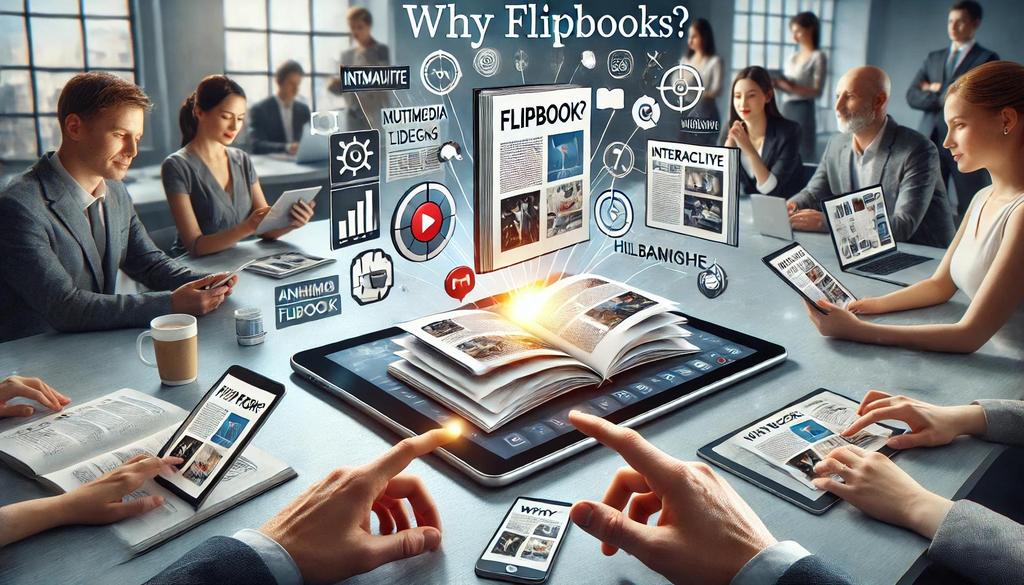
Why Flipbooks?
Flipbooks integrate the recognizable structure of traditional documents with the engaging aspects of digital media. Users can navigate through pages effortlessly while accessing a range of multimedia features. This format significantly improves the user experience and fosters better information retention. Interactive components such as videos, animations, and hyperlinks appeal to different learning preferences. Additionally, flipbooks can be shared across multiple platforms, enhancing reach and making content accessible to a wider audience.
Flipbooks offer a visually appealing and interactive alternative to traditional PDFs. Unlike static PDFs, flipbooks create a page-turning effect that simulates the experience of flipping through a physical book. This interactive feature not only makes documents more engaging but also enhances the overall reading experience. To create a flipbook from your existing PDFs, you can use tools like Publuu. These tools simplify the conversion process, making it easy to turn your static documents into interactive flipbooks that are both visually stimulating and easy to navigate.
Businesses and educators are continually looking for more effective communication methods for their messages. Adopting flipbooks can significantly change how content is shared and consumed. This innovative format offers a new level of engagement and connection with the audience.
How to Create an Engaging Flipbook
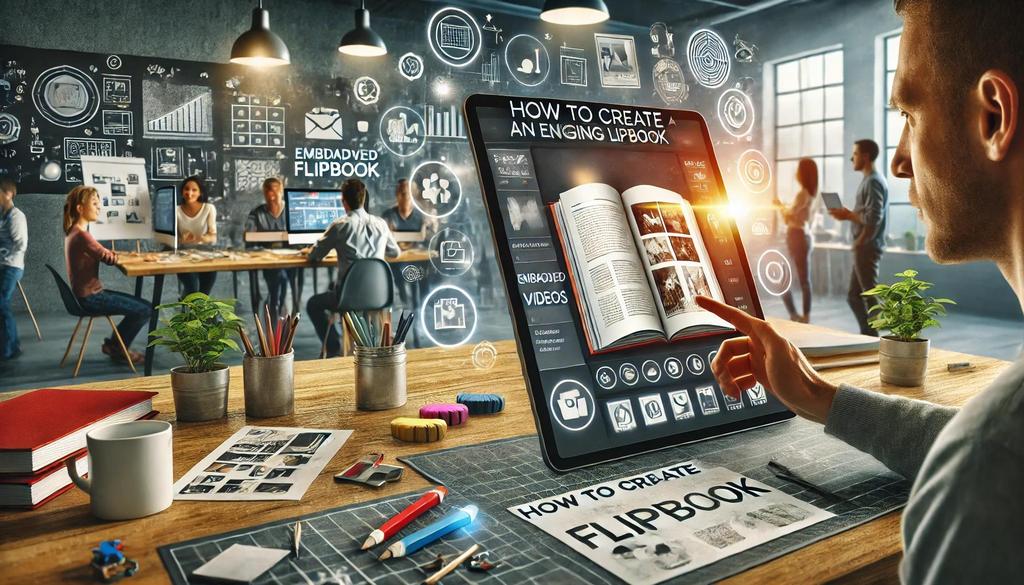
Creating an engaging flipbook involves more than just converting a document; it requires thoughtful design and an understanding of how to present content interactively.
- Start by selecting a flipbook maker that suits your needs. Many tools, such as Publuu, offer features that allow you to customize the look and feel of your flipbook.
- You can add multimedia elements such as videos, audio clips, and interactive links to make your flipbook more engaging.
- Consider the layout and design carefully to ensure that the flipbook not only looks good but also enhances the reader’s experience.
- Integrating a clear narrative structure will guide readers through the content, keeping them engaged while highlighting key messages.
- Always remember to gather feedback from your audience, as their insights will be invaluable in refining and improving future flipbook iterations for maximum impact.
Focusing on effective design and incorporating multimedia components will allow you to produce a flipbook that captures readers’ attention and improves their overall experience. Actively seeking audience feedback will help you refine your future flipbooks, ensuring they stay relevant and engaging while addressing the changing preferences of your audience.
Applications of Flipbooks
The versatility of flipbooks makes them a valuable tool across various sectors.
- In the business world, flipbooks can be used for creating visually compelling presentations, reports, and marketing materials. They offer a modern alternative to traditional PDFs, helping your documents stand out and making them more memorable for your audience.
- For educators, flipbooks provide a dynamic way to present course materials, textbooks, and educational resources. The interactive nature of flipbooks can help keep students engaged and make learning more interactive.
- Even for personal use, flipbooks can turn family photo albums or personal projects into enjoyable and interactive experiences.
The move toward remote learning and virtual interaction is becoming increasingly prevalent. Flipbooks offer a flexible way to share information that immerses the reader, overcoming geographical limitations. By utilizing flipbooks, both individuals and organizations can enhance their communication strategies. This makes their content not only informative but also engaging and impactful.
The Future of Digital Publishing
As digital publishing continues to evolve, flipbooks represent a significant step forward in how we interact with content. The ability to create engaging, interactive documents that go beyond the limitations of traditional PDFs opens up new possibilities for presenting information. Flipbooks offer a richer and more immersive experience for readers by incorporating multimedia elements and interactive features. Tools that simplify the creation of flipbooks are crucial in making this transformation accessible to everyone.
In summary, transforming PDFs into flipbooks can significantly enhance how information is presented and consumed. Flipbooks offer a modern, interactive alternative to static documents, providing a more engaging experience for readers. As you explore the potential of flipbooks, tools like Publuu can assist in making the conversion process smooth and efficient, helping you create content that truly captivates your audience.


