
Planting cannabis is a significant step toward normalizing home gardening. Home gardening has always been a source of joy and sustainability, and adding cannabis to the mix only enhances these benefits. As more people explore the advantages of growing their own cannabis, we’re witnessing a shift in how society views this versatile plant. Take part in this green revolution and see for yourself how simple and gratifying homegrown cannabis can be. Read through this journey and experience the ease and rewards of cultivating your own plants.

The Benefits of Home Cannabis Cultivation
Growing cannabis at home offers several advantages, from contributing to self-sufficiency to boosting personal well-being. Let’s dive deeper into these benefits.
Promoting Self-Sufficiency
Home cannabis cultivation lets us take control of our supply. According to this article, by growing our marijuana plants, we no longer depend on dispensaries or the cannabis market. This self-sufficiency saves us money and ensures we have access to our preferred strains. Additionally, cultivating at home can be more energy efficient than commercial operations, promoting sustainability.
Enhancing Personal Well-being
Gardening cannabis plants can enhance our mental and physical health. Caring for plants offers a strong sense of achievement. It also effectively reduces stress levels. Cannabis also offers medicinal benefits; growing it ourselves ensures we know what’s in our cannabis products. Enjoying the process of nurturing marijuana plants promotes mindfulness and overall well-being.
Legal Considerations and Compliance
Cannabis legalization varies by region. Some states have embraced recreational marijuana, allowing adults to grow cannabis plants. Medical cannabis laws are more widespread, permitting patients to cultivate cannabis for personal use. Federal laws remain stringent, creating a complex legal landscape for home growers. Understanding local and state cannabis laws ensures compliance and avoids legal issues.
Navigating Local Regulations
Local regulations often differ significantly, even within states that have legalized cannabis. Some areas may permit only a certain number of cannabis plants, such as six plants per household. Licensing requirements can vary, with some jurisdictions requiring formal registration. Staying updated with local cannabis cultivation laws helps home growers avoid penalties and ensures responsible gardening practices.

Choosing the Right Cannabis Strains
Selecting the right cannabis strains is essential for a successful and enjoyable home gardening experience.
Popular Strains for Home Growing
Growers often prefer strains well-suited for indoor environments and diverse growing conditions. Some favored options include:
- Blue Dream: Known for its balanced effects and ease of growth, Blue Dream offers high THC levels and is tolerant to common pests.
- Northern Lights: A resilient strain that requires minimal maintenance, Northern Lights is ideal for beginners and provides a relaxing, high-THC experience.
- White Widow: This hybrid strain is celebrated for its potent resin production and strong, uplifting effects, making it popular among home cultivators.
- Green Crack: Favored for its energizing and uplifting effects, Green Crack is easy to grow and offers a quick harvest cycle.
Choosing strains like these ensures a satisfying and manageable home cannabis cultivation experience.
Setting Up Your Indoor Grow Space
Creating the right indoor grow space is crucial for growing healthy cannabis plants at home, which can normalize the idea of home gardening.
Essential Equipment and Supplies
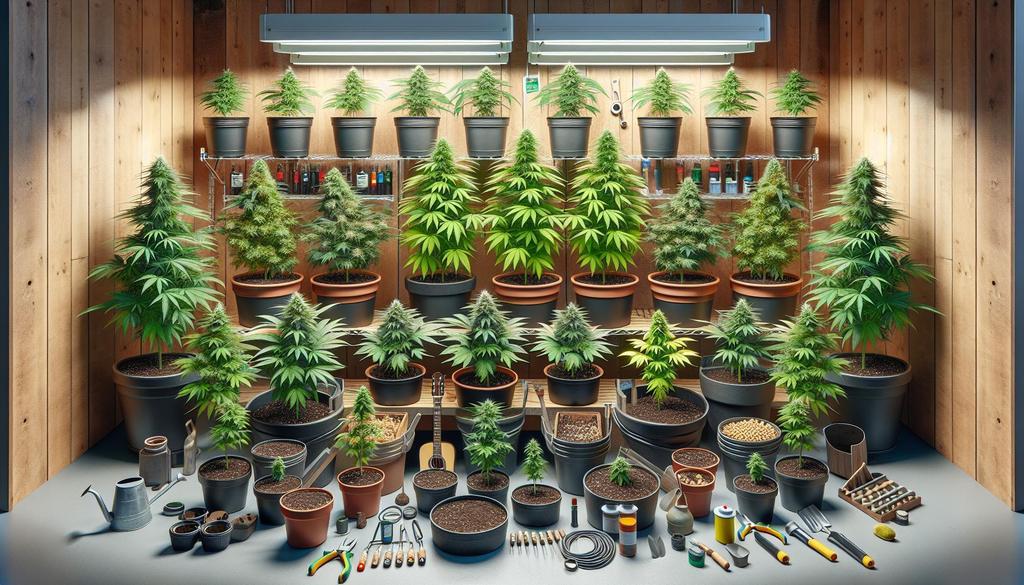
To get started, we need basic equipment: grow lights, fans, pots, and a timer. LED grow lights provide energy efficiency and are good for indoor cannabis cultivation. Oscillating fans ensure proper airflow, while pots and quality soil anchor your plants. You may also need a timer to regulate light exposure for optimal growth.
Creating the Ideal Growing Environment
To establish the perfect growing environment, maintain consistent temperature and humidity. Indoor cannabis plants thrive at temperatures between 70-85°F and humidity levels of 40-50%. Maintaining good ventilation is essential to prevent mold growth and deter pests. Use reflective materials like mylar to maximize light efficiency, helping your plants develop robustly.
Cannabis Cultivation Techniques
Growing cannabis at home ensures a higher-quality product and an invaluable sense of accomplishment. Let’s review essential cultivation techniques.
Germination and Planting
Germination marks the start of the cannabis plant’s life cycle. Soak seeds in water for 12-24 hours to encourage sprouting. Transfer to a damp paper towel, ensuring it’s kept in a warm, dark place. Within 48 hours, seeds sprout taproots. Plant seeds in a starter medium, like peat pellets or small pots with seedling soil. Maintain temperature between 70-85°F for optimal growth.
Nutrient Management
Nutrient management ensures cannabis plants receive essential elements. During the vegetative stage, focus on nitrogen-rich fertilizers. Switch to phosphorus and potassium-dominant nutrients in the flowering stage. Use a pH meter to keep soil pH between 6.0 and 7.0. Monitor leaves for deficiency symptoms like yellowing or browning, which indicate nutrient imbalances that need correction.
Overcoming Common Challenges
Planting cannabis presents several challenges, from selecting the right seeds to managing environmental factors.
Pest and Disease Management
Cannabis plants face threats from pests and diseases. Common pests include spider mites, aphids, and whiteflies. Using natural predators like ladybugs and applying neem oil can keep infestations in check. Fungal diseases, such as powdery mildew and root rot, commonly affect cannabis plants in conditions of high humidity.
Proper ventilation and maintaining optimal moisture levels help prevent these diseases. Experience shows that early detection and consistent monitoring are key to managing threats effectively.
Dealing with Environmental Stress
Cannabis plants are sensitive to environmental stress, including temperature fluctuations and inadequate light. Maintaining a stable climate is crucial, as extreme temperatures can stunt growth or damage plants. Investing in quality grow lights ensures cannabis receives sufficient illumination. High humidity levels promote mold, so using a dehumidifier in indoor settings can mitigate this risk. Consistent watering, without over or underdoing it, also helps prevent stress and ensures healthy development. Best practices emphasize creating a stable and supportive growing environment.

Harvesting and Processing Your Cannabis
Harvesting cannabis requires attention to timing and technique. Proper harvesting maximizes potency and flavor, making it a crucial step in home cultivation.
When and How to Harvest
It’s essential to harvest cannabis at peak ripeness for optimal THC levels. Look for milky white trichomes on marijuana plants, signaling the right time. Use sterilized shears to cut branches near the main stem, handling the plants gently to avoid damaging buds.
Processing for Different Uses
Post-harvest processing varies based on intended cannabis use. For smoking, hang branches in a dark room with good ventilation until thoroughly dry. If preparing edibles, decarboxylate cannabis by heating it in an oven to activate THC. Trim buds for resin extraction to produce concentrates.
Cannabis Home Gardening Cultivates Personal Well-Being
By embracing home cannabis cultivation, you’re taking a significant step toward normalizing home gardening. This practice offers numerous benefits, from self-sufficiency and cost savings to personal well-being. It’s essential to stay informed about legal requirements and select the right strains for our growing conditions.
Mastering the techniques of germination, planting, and nutrient management can lead to a successful harvest. Overcoming common challenges like pests and environmental stressors ensures your plants thrive. When it comes to harvesting, timing, and technique are crucial for maximizing potency and flavor.
Explore and enjoy the process of growing your own cannabis, contributing to a more sustainable and fulfilling lifestyle.


