
Poker is not just about the cards you hold but about how you read the game and the players around you. Recognizing patterns, understanding strategic bluffs, and managing your own emotional responses are all crucial elements of the game. Successful poker players are well aware of this; they leverage their understanding of psychological dynamics to gain an edge over their opponents. This approach can make the difference between winning and losing, especially in high-stakes games where the psychological plays are as impactful as the actual play of the cards.
Knowing Your Opponents
At the heart of poker psychology is the ability to read your opponents. This means paying attention to their betting patterns, physical tells, and even their use of language, which can provide significant insights into their play style and strategy. A player who can accurately infer the strength of an opponent’s hand from their behavior can make more informed decisions, thus enhancing their chances of success. For example, if an opponent is betting aggressively, it might indicate a strong hand. Conversely, hesitation could signal uncertainty or weakness. Mastering this ability can significantly alter your approach and results in the game.

Emotional Control
Poker can indeed be an emotional rollercoaster. Success at the poker table requires not just controlling your own emotions but also being aware of and exploiting your opponents’ emotional states. Players who let frustration, anger, or disappointment affect their play are less likely to make rational decisions. Maintaining a calm demeanor helps in making objective decisions and may also prevent opponents from reading your emotional state, thus keeping your strategic intentions concealed.
The Power of Bluffing
Bluffing is an integral part of poker, resting entirely on psychological manipulation. By representing a stronger hand than you actually hold, you can encourage opponents to fold winning hands. Successful bluffing relies on understanding how your opponents perceive you and the situation, which requires a deep understanding of psychological warfare. As a method of psychological warfare, bluffing requires a blend of confidence, timing, and the ability to maintain a poker face, all essential for convincing your opponents and leading them to make mistakes.
Psychological Resilience
Poker involves winning and losing money, which can lead to stress and anxiety. Players with psychological resilience can cope better with the downsides of the game. They view losses as learning opportunities rather than personal failures. This mindset helps not only manage stress but also maintain a positive attitude towards the game, which is crucial for long-term success. Cultivating such resilience can be as important as mastering the technical aspects of poker.
Decision Making Under Pressure
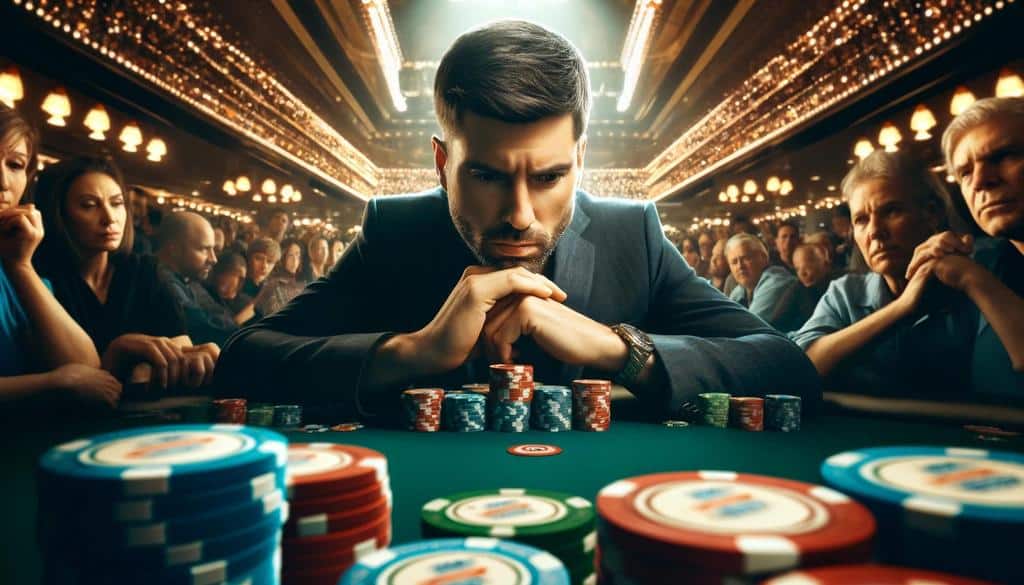
Poker often puts players under significant pressure, especially in high-stakes situations. Those who excel in the psychological aspects of the game can make accurate decisions quickly, even under stress. This involves understanding the odds, reading the table dynamics, and anticipating opponents’ actions. Quick, confident decision-making can intimidate opponents and control the game’s pace, giving the psychologically adept player a distinct advantage.
Online Poker and Psychological Strategy
Playing online poker for real money transforms the psychological landscape of poker. Players need to adapt their strategies without physical tells to focus more on betting patterns and timing as key psychological tools. Online play emphasizes the need to understand these elements deeply since the physical component is removed. The anonymity of online play can also affect how players perceive each other, influencing bluffing strategies and how confidence is displayed across virtual tables.
Self-Analysis for Improvement
A crucial but often overlooked aspect of poker psychology is self-analysis. Players who regularly reflect on their own playing styles, decisions, and emotional states can identify areas for improvement. By understanding your own psychological tendencies, you can work to minimize weaknesses and capitalize on strengths, leading to more deliberate and successful play over time. This self-awareness is fundamental for anyone looking to improve and become more competitive in the poker world.

Opponent Profiling
Creating mental profiles of your opponents can provide a significant advantage. This involves categorizing players based on their behavior, playing style, and possible psychological traits. By understanding the type of player you’re against, you can tailor your strategy accordingly. For instance, aggressive players might be more susceptible to bluffs, while cautious players might fold under pressure, allowing you to manipulate the game flow to your advantage.
The Role of Integrity
While understanding and exploiting the psychological aspects of poker can lead to success, it’s important to play with integrity. Using psychological insights to play strategically is part of the game, but crossing into unethical behavior, like collusion or cheating, undermines the spirit of poker. Playing fairly ensures respect in the poker community and allows for a satisfying experience for all involved. Adhering to ethical gameplay promotes a healthy competitive environment and respects the game’s intellectual and psychological challenges.

Master the Mind Game: Psychological Strategies for Poker Success
Understanding and applying the psychological elements of poker set players up for success. Whether it’s reading opponents, managing emotions, bluffing, or making quick decisions, psychological skills are invaluable. Adapting these strategies to digital play is crucial with the shift to online platforms. The psychological game is ongoing, both on and off the table, and those dedicated to mastering these aspects find significant rewards in the competitive world of poker. By continually enhancing their psychological tactics, players can turn the subtleties of human behavior into powerful tools for winning, proving that poker is as much a game of wits as it is of luck.


