
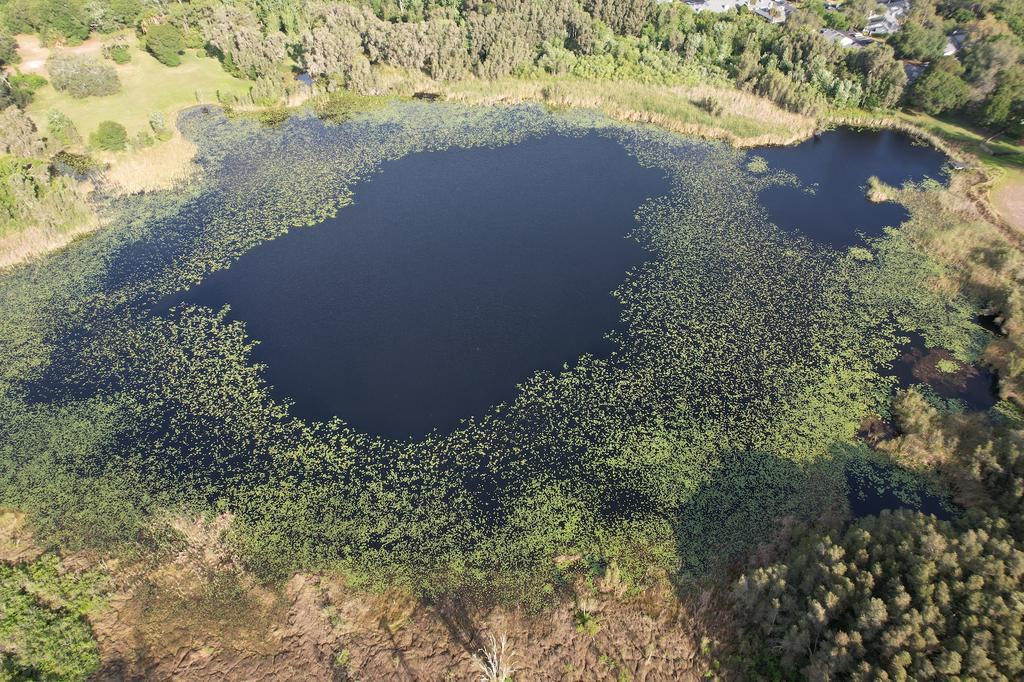
Water is the lifeblood of our planet, sustaining countless species and supporting complex ecosystems. From the vast oceans to the smallest freshwater streams, water habitats are teeming with life, all interconnected in a delicate balance. At the heart of this intricate web lie probiotic bacteria – tiny, invisible organisms that play a vital role in maintaining the health and vitality of water ecosystems.
While they may go unnoticed by the naked eye, probiotic bacteria are the unsung heroes that ensure the salty and fresh water in both natural and artificial bodies is hospitable for aquatic animals and plants alike. These microscopic guardians form multimillion colonies, working silently and tirelessly to regulate the delicate chemical and biological processes that keep these ecosystems thriving.
In this article, we will delve into the numerous reasons why probiotic bacteria are indispensable to the existence of healthy water habitats. From disease prevention to water quality improvement, these remarkable organisms have profound effects on the delicate balance of aquatic ecosystems.

Disease Prevention
Probiotic bacteria are the first line of defense against disease outbreaks, standing as sentinels against the proliferation of harmful microorganisms and toxic substances. Through their ability to compete with pathogens for resources and space, they create an environment that is less susceptible to devastating outbreaks, ensuring the well-being of the inhabitants.
Controlling the Number of Pathogens
To survive, probiotic bacteria must compete with pathogenic microorganisms. By acquiring space and resources, probiotic bacteria inhibit the growth of their competitors, making the ecosystem more resistant to disease outbreaks.
Improving Water Quality
Moreover, probiotic bacteria are key players in improving water quality – a critical factor for the survival of aquatic organisms. They act as nature’s recyclers, breaking down decaying material and converting harmful compounds into essential nutrients. By releasing phosphorus and nitrogen, they nourish aquatic ecosystems, while simultaneously transforming toxic substances such as nitrites and ammonia into more benign compounds.
Stress Reduction
In addition to their role in disease prevention and water purification, probiotic bacteria also have a remarkable capacity to reduce stress in aquatic organisms. Their presence boosts the immune response of these organisms, making them more resilient in the face of environmental changes and fluctuations in water parameters.
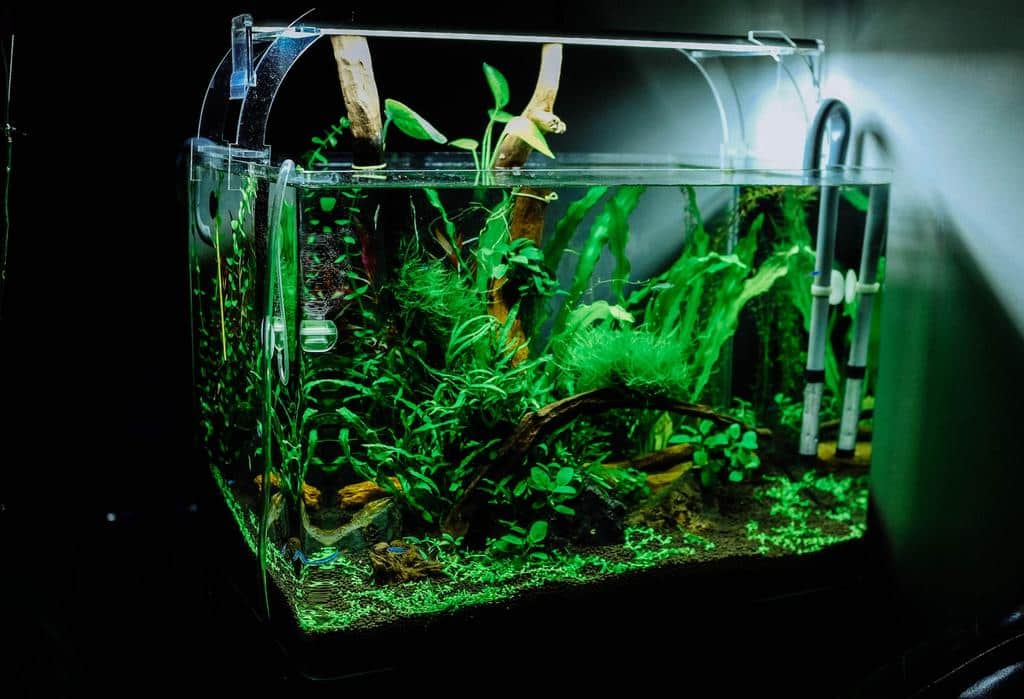
Furthermore, probiotic bacteria hold particular significance for those who maintain marine and freshwater aquariums. In these closed ecosystems, where space is limited and water exchange is restricted, the importance of a healthy bacterial community cannot be overstated. Probiotic bacteria play a crucial role in maintaining optimal water conditions, preventing the buildup of toxic substances, and eliminating anaerobic zones that pose a threat to life within the aquarium.

Probiotic Bacteria in Water Tanks
Organisms living in both marine and freshwater aquariums are particularly dependent on probiotic bacteria. Such closed ecosystems have a fairly limited space that can become polluted much more quickly than large bodies of water with water exchange. Contaminated water contains not only toxic substances but also creates favourable conditions for the growth of pathogens that can be harmful to the life of other aquatic organisms.
By breaking down hydrogen sulfide, probiotic bacteria can eliminate anaerobic zones that are especially dangerous for aquariums where organisms have little space to live.
Furthermore, the ability of probiotic bacteria to keep the water clean also reduces the need for manual cleaning and can even extend the life of some aquarium equipment, for instance, filters.
Of course, a clean aquarium with transparent water and no buildup on gravel and stones is also more aesthetically attractive.
How Can You Get Probiotic Bacteria for Your Aquarium?
To ensure the colonization of probiotic bacteria in your aquarium and water habitats, there are various commercial products available. These products introduce beneficial microorganisms, expediting their establishment and bolstering the overall health of the ecosystem. By considering these options and nurturing the presence of probiotic bacteria, we can actively contribute to the well-being of aquatic environments and the organisms that depend on them.
Commercial products will quickly introduce beneficial microorganisms to your tank. When choosing a product, pay attention to the type of water it is intended for, as there are different types of probiotic bacteria in freshwater and saltwater. For example, Aquaforest offers aquarium salts already enriched with bacterial colonies for faster and more convenient water treatment.
As we explore the multifaceted contributions of probiotic bacteria to water ecosystems, it becomes clear that these microscopic organisms are not to be underestimated. Their silent but mighty presence ensures the delicate balance of life in our waters, preserving the health and abundance of aquatic ecosystems. By appreciating their significance, implementing sustainable practices, and championing their role, we can safeguard the future of our water environments for generations to come.
Conclusion
In conclusion, probiotic bacteria play a vital role in maintaining the health and balance of water ecosystems. They act as protectors, preventing diseases, controlling the growth of pathogens, and improving water quality. Probiotic bacteria also reduce stress in aquatic organisms, making them more resilient to changes in their environment.
In closed ecosystems like aquariums, probiotic bacteria are particularly important, as they help maintain water cleanliness and prevent the buildup of harmful substances. They can also extend the lifespan of aquarium equipment and enhance the overall aesthetic appeal of the tank.
Whether you have an aquarium or are concerned about the health of natural water ecosystems, it is possible to introduce probiotic bacteria through commercial products specially formulated for different types of water. These products can speed up the colonization of beneficial microorganisms and ensure the well-being of aquatic life.
By appreciating the significance of probiotic bacteria and taking steps to support their presence in water habitats, we can contribute to the preservation of healthy, thriving ecosystems. The future health of our water environments depends on the understanding and implementation of sustainable practices that prioritize the role of probiotic bacteria. Let us champion these microscopic heroes and ensure the vitality of our water ecosystems for generations to come.


