
Dental implants have become one of the most effective and reliable solutions for people dealing with missing teeth. Whether due to injury, decay, or other reasons, losing teeth can have a significant impact on your quality of life, affecting your appearance and your ability to eat and speak.
Dental implants are designed to replace the root of a missing tooth, providing a stable foundation for a crown, bridge, or denture. Despite their popularity, there are still many people who have questions surrounding this dental procedure. In this post, we will address some of the most frequently asked questions about dental implants to help you better understand the process, benefits, and potential concerns.
What Are Dental Implants and How Do They Work?
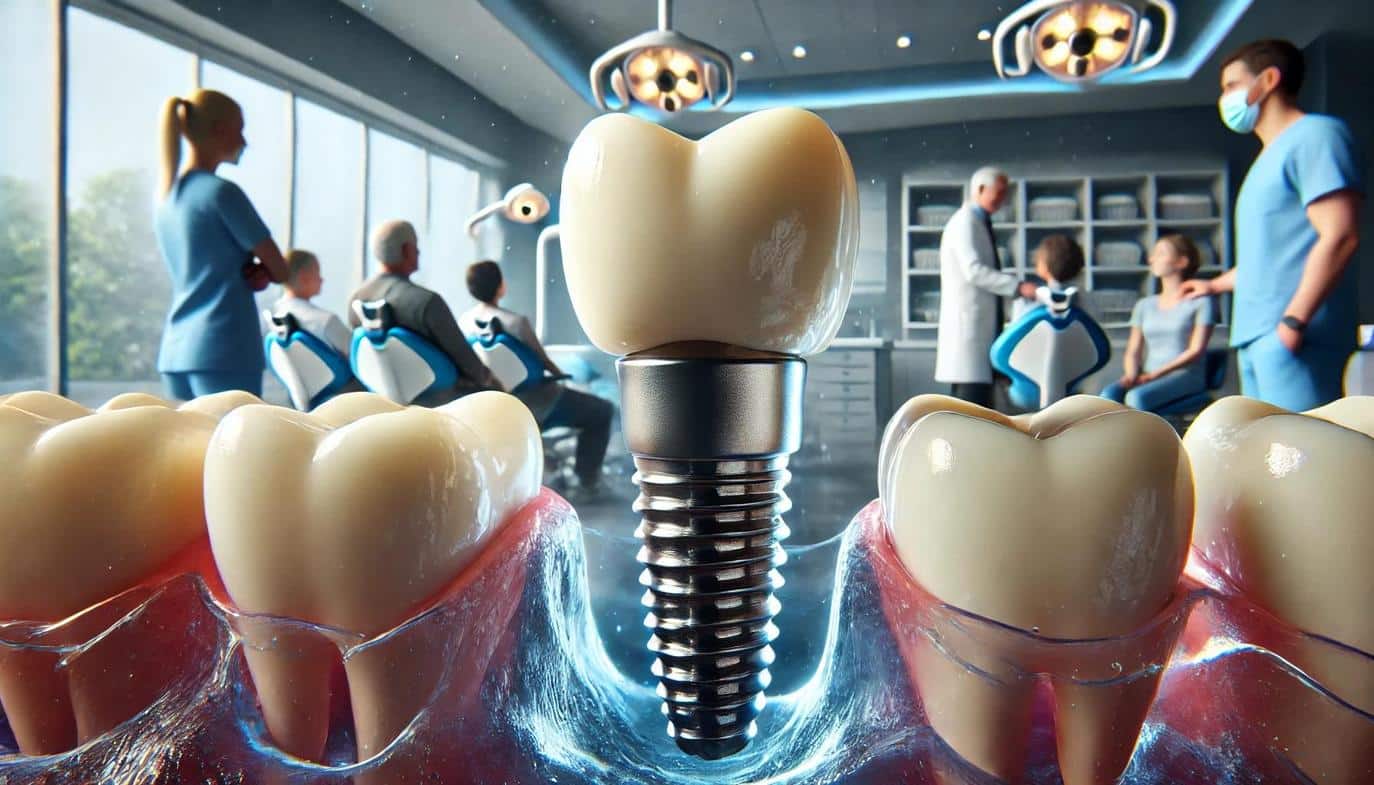
Dental implants are artificial tooth roots made of titanium that are surgically placed into the jawbone to support replacement teeth. The implant fuses with the bone, providing a strong foundation for crowns, bridges, or dentures. Unlike traditional dentures, safe and effective dental implants integrate with the natural structure of the jaw, preventing bone loss and maintaining facial shape. They function like real teeth, allowing patients to eat, speak, and smile with confidence. While the process requires multiple steps and healing time, the long-term benefits make implants a preferred solution for many individuals with missing teeth.
How Long Do Dental Implants Last with Proper Care?
One of the most appealing features of dental implants is their longevity. With proper care and maintenance, dental implants can last for decades, potentially even a lifetime. The titanium post itself is highly durable and resistant to wear and tear. The crown or restoration placed on top of the implant may need to be replaced after 10 to 15 years, depending on factors like oral hygiene, lifestyle, and overall health. Regular dental check-ups and maintaining good oral hygiene practices are essential to maximizing the lifespan of dental implants.
Is the Dental Implant Procedure Painful?
The dental implant procedure is typically performed under local anesthesia, so patients generally do not feel pain during the surgery. Most people report feeling some discomfort or mild pain after the procedure, which can be managed with over-the-counter pain relievers. The pain is usually temporary and subsides within a few days. In some cases, mild swelling or bruising may occur in the treated area. If you experience more severe pain or complications, it’s important to contact your dentist or oral surgeon for advice.

Am I a Good Candidate for Dental Implants?
Most people who are in good general health and have sufficient bone density in their jaw are suitable candidates for dental implants. Certain factors may affect your eligibility, such as the presence of gum disease, insufficient bone in the jaw, or certain medical conditions like diabetes. A history of smoking or excessive alcohol use can interfere with healing and reduce the chances of long-term implant success. An initial consultation with a dentist or oral surgeon is necessary to determine whether dental implants are right for you. They will evaluate your oral health and medical history to create a personalized treatment plan.
How Long Does the Dental Implant Procedure Take?
The entire dental implant procedure can take several months, primarily due to the healing time required for the implant to fuse with the jawbone, a process known as osseointegration. After the implant is placed, it typically takes three to six months for the bone to fully integrate with the implant. Once this process is complete, your dentist will place the final restoration, which could take a few weeks to create and fit. Although the process takes time, the lasting improvements in comfort, function, and appearance make it a rewarding choice for many.
What Are the Risks and Complications of Dental Implants?
While dental implants are generally safe and successful, there are some risks and potential complications involved in the procedure. These include infection, implant failure, damage to surrounding teeth or structures, and nerve damage. These complications are rare, especially when the procedure is performed by an experienced dentist or oral surgeon. Following post-surgical care instructions and attending follow-up appointments can help minimize these risks. In most cases, the success rate of dental implants is high, with studies showing success rates of up to 98%.

How Much Do Dental Implants Cost?
The cost of dental implants can vary widely depending on several factors, such as the location of the dental practice, the number of implants needed, and the type of restoration required. On average, the cost of a single dental implant, including the post, abutment, and crown, can range from $3,000 to $4,500 or more. Additional costs may be incurred if bone grafting or other preparatory procedures are necessary. While dental implants can be more expensive upfront than other options like dentures or bridges, they offer long-term value due to their durability and stability.
Do Dental Implants Look Natural?
Yes, dental implants are designed to look and feel like your natural teeth. The crown placed on top of the implant is custom-made to match the color, size, and shape of your existing teeth, ensuring a seamless blend with your smile. Since the implant itself is anchored directly into the jawbone, it also feels like a natural tooth when chewing or speaking. Many patients find that dental implants offer a much more comfortable and aesthetically pleasing alternative to traditional dentures or bridges.
Can I Replace Multiple Teeth with Dental Implants?
Yes, dental implants can be used to replace multiple missing teeth. In some cases, a single implant can support multiple teeth, such as a dental bridge. If you have several missing teeth, multiple implants can be placed, each supporting a crown or bridge. In cases where a full set of teeth needs to be replaced, implant-supported dentures may be an option. Your dentist will assess your individual needs and recommend the best approach to restore your smile.

Final Thoughts on Dental Implants
Dental implants offer a permanent solution for missing teeth, combining durability with a natural appearance. Unlike dentures or bridges, implants integrate directly with the jawbone, preserving your facial structure and allowing you to eat and speak with ease. The multi-step process may take time, but the result is a long-term investment in your oral health and confidence.
Whether you’re considering a single implant or exploring full-mouth restoration, understanding the procedure and its benefits can help you make an informed decision. Consulting with a qualified implant dentist ensures a personalized treatment plan that addresses your specific needs. Dental implants continue to be one of the most trusted solutions for restoring function and aesthetics.

