
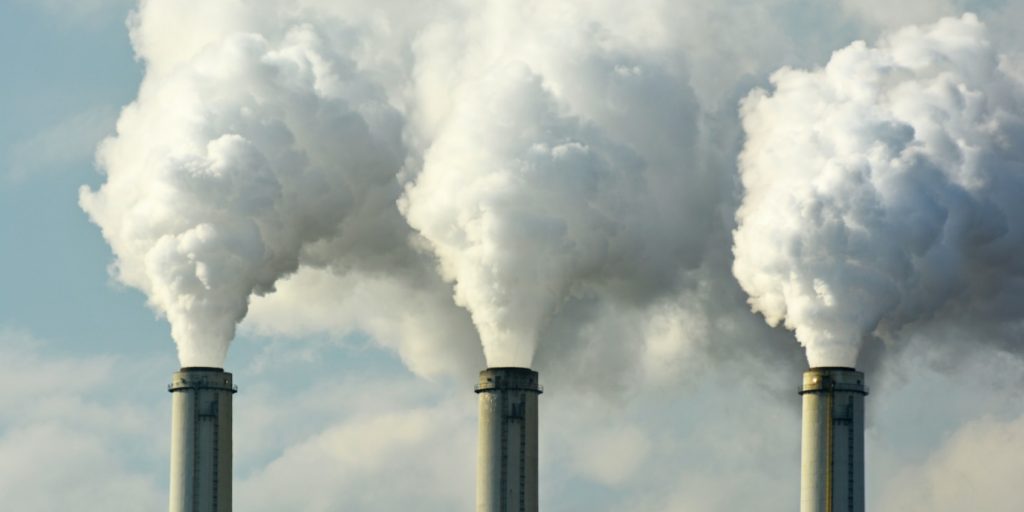
Air pollution is now one of the top causes of mortality worldwide, accounting for almost 9 million premature deaths a year. Power generation is the source of around 40% of this air pollution in the form of carbon emissions. The scary part is, demand for electricity is only going to continue to rise from here on out.
While much of the planet is focused on the climate crisis side of carbon emissions, a team of Potsdam Institute for Climate Impact Research (PIK) scientists decided to look at it from a different perspective. Their study focuses on the health impact caused by burning fossil fuels in the energy sector and how many deaths could be avoided by switching to renewable energy.
The research explores the extent of decarbonization benefits in regards to the power sector. What they discovered was that the health impacts of air pollution from power generation could be reduced by as much as 80% by mid-century by ditching fossil fuels. The study has been published in the journal Nature Communications.
The world must limit global warming, as spelled out in the Paris Agreement, to below 2°C, ideally less than 1.5°C, and reach zero greenhouse gas emissions by 2050. Meanwhile, many nations have agreed to this target, but few have explained exactly how they plan to achieve it.
This is why this new study addresses the problem of emissions by laying out three examples to help guide people in the most beneficial direction. The researchers used climate and energy efficiency models to detail three scenarios – three possible paths for decarbonization of the energy sector by 2050. They include: solar and wind power, carbon capture and storage working together with biomass and fossils, and a mixed technology approach. Lastly, they merged their calculations from each scenario with human health indexes and with analysis of the emission levels throughout the power units’ lifespans.
Lead author Gunnar Luderer, deputy chair of PIK’s research domain on transformation pathways, explained in a press release:
When looking at the big picture – from the direct emissions of power installations to the mining of minerals and fuels for their construction and operation to the lands necessary for the energy supply infrastructure – we found that the best bet for both people and environment is to rely mainly on wind and solar power. A main winner of decarbonization is human health: switching to renewables-based electricity production could cut negative health impacts by up to 80%. This is mainly due to a reduction in air pollution from combusting fuels. What is more, the supply chains for wind and solar energy are much cleaner than the extraction of fossil fuels or bioenergy production.
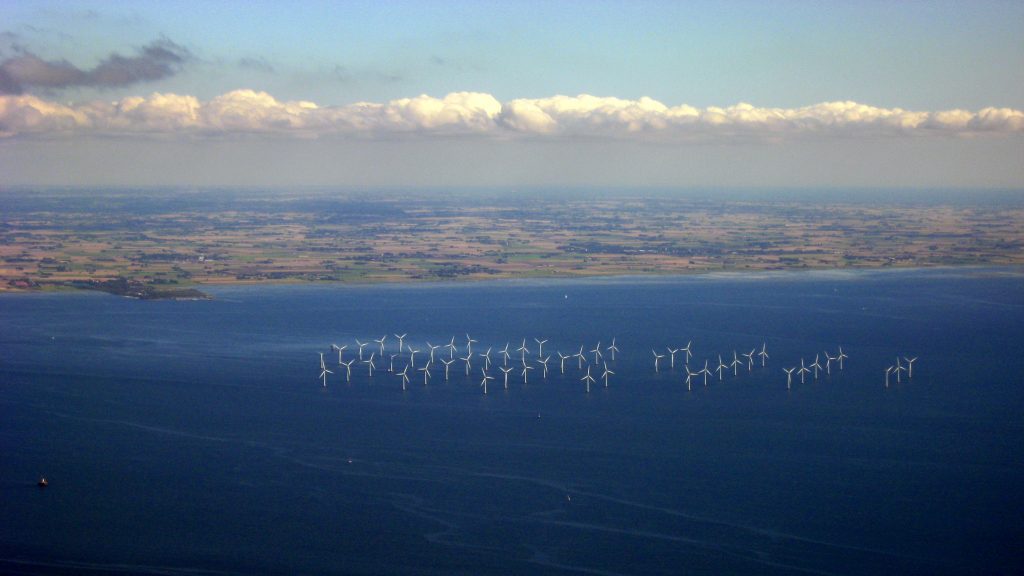
So, wind and solar were the winners. The carbon capture plus biomass option was not so good because it requires a significant amount of land, and the cost to biodiversity is too high. Alexander Popp, head of the land use management group at the Potsdam Institute, explained:
Per kilowatt-hour of electricity from bioenergy, you need one hundred times more land than to harvest the same amount from solar panels. Land is a finite resource on our planet. Given the growing world population with a hunger for both electricity and for food, pressures on the land and food systems will increase, too. Our analysis helps to get the magnitudes right when speaking of the at times much-hailed technology of bioenergy.
Luderer added:
Our study delivers even more very good arguments for a rapid transition towards a renewable energy production. However, we need to be aware that this essentially means shifting from a fossil resource base to a power industry that requires more land and mineral resources. Smart choices are key to limiting the impact of these new demands on other societal objectives, such as nature conservancy, food security, or even geopolitics.
Conclusion
A climate-friendly approach to producing electricity provides massive health benefits, mostly because of the reduction of air pollution from combusting fossil fuels. The research models predict that if the energy trend continues as is, six million years of human life will be lost worldwide to air pollution by 2050. However, if in the next three years, the energy sector is dominated by renewables, then that figure drops to about one million years instead.


