
If you own an older home or business, chances are you’ve encountered plumbing issues such as leaks, clogs, or even burst pipes. These problems can lead to significant water damage, mold growth, and expensive repairs. Experts from services like The Relining Company emphasize that as plumbing infrastructure ages, encountering such issues becomes increasingly common.
Fortunately, you no longer have to resort to total pipe replacement as your only option. There is a more efficient solution available—pipe relining. In this article, we will explore how pipe relining can effectively address your plumbing concerns without the extensive disruption associated with traditional replacement methods. Keep reading to discover if this innovative approach is right for your plumbing system.
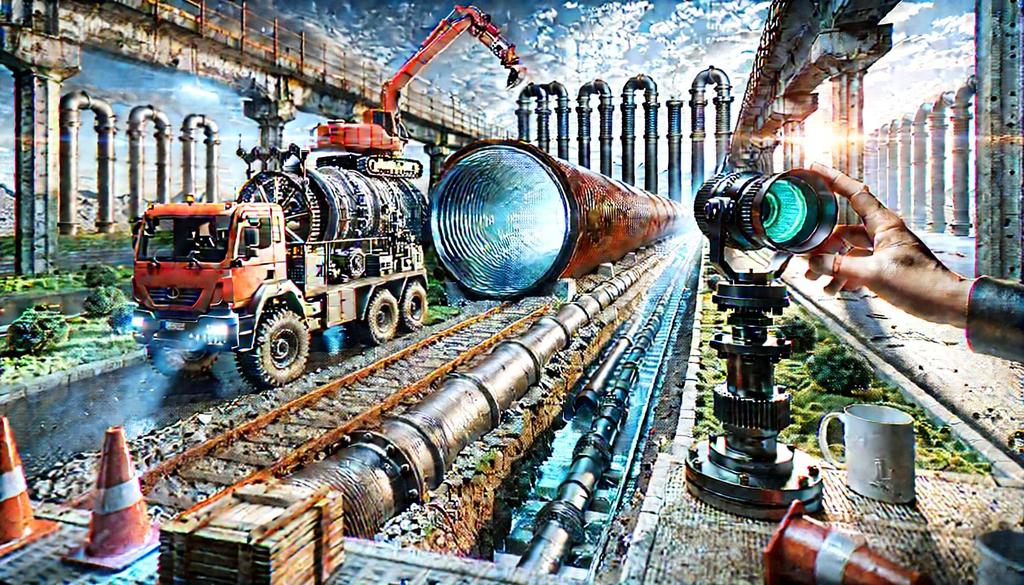
Understanding Pipe Relining: A Trenchless Repair Solution
Pipe relining is an innovative technique designed to repair damaged plumbing without the need for extensive digging or demolition. This trenchless method works by addressing issues from the inside of the pipe. It allows for efficient repairs while preserving the surrounding structure and minimizing disruption to your property.
Here’s how it works:
Step 1: Camera Inspection for Accurate Diagnosis
The first step in the pipe relining process involves a camera inspection. This procedure allows professionals to assess the interior condition of the pipes and identify any potential issues. By using specialized camera equipment, they can pinpoint problems such as blockages, leaks, or corrosion with precision.
Step 2: Cleaning and Preparation of Pipes for Relining
The next phase involves thoroughly cleaning the pipes to ensure optimal adhesion for the epoxy resin lining. This process removes any debris, grease, or buildup that may interfere with the effective application of the lining material. Proper preparation is essential for achieving a durable and long-lasting repair.

Step 3: Application of Epoxy Coating
In this stage, the flexible epoxy coating is introduced into the pipes through an accessible entry point, such as a drain or vent. Once inserted, the material expands and adheres to the interior surfaces of the pipes. This creates a smooth and watertight barrier that effectively seals any gaps or defects, enhancing the overall integrity of the plumbing system.
Step 4: Curing and Finalization of the Repair
Once the epoxy coating has cured, the pipes are left with completely renewed inner walls. This curing process solidifies the material, ensuring a strong and durable lining that restores the functionality of your plumbing system. The result is a revitalized pipe interior that is resistant to leaks and corrosion.
Quick and Durable Pipe Restoration with Relining
The pipe relining process is efficient, typically completed within just a few hours. This innovative method effectively restores your pipes for decades, ensuring long-lasting results. Unlike traditional pipe replacement, it significantly reduces disruption to your property’s structure, making it a less invasive option for repairs. Choosing pipe relining means you can achieve efficient and reliable plumbing restoration without the extensive damage associated with full replacement.

Signs You Could Benefit from Pipe Relining
Pipe relining is most useful for property owners experiencing:
- Frequent clogs or slow drains despite cleanings
- Leaks that keep returning and damp spots on walls or ceilings
- Root intrusion due to cracked pipes or pipe joints
- Rusty water from corroded pipes
- Collapsed or burst pipes causing major damage
- Generally outdated plumbing over 50 years old
Identifying pipe issues early is crucial to preventing further damage. If you have noticed any warning signs, such as leaks or slow drainage, consider pipe relining as a viable solution. This method can effectively restore your pipes to their original condition.
Best of all, it does so without the mess and expense associated with traditional pipe replacement. Don’t wait until small issues escalate—take action now to protect your plumbing system.
Advantages of Pipe Relining for Aging Plumbing Systems
Pipe relining offers a cost-effective alternative to traditional pipe replacement. It effectively rejuvenates aging and failing pipes at a fraction of the cost. This method is suitable for both commercial and residential properties experiencing plumbing issues.
Homeowners will particularly benefit from pipe relining as it helps avoid the disruption and expense associated with tearing up floors, walls, and landscaping. Additionally, facilities such as hospitals and industrial sites can utilize relining because it minimizes the need to shut off water for extended periods—a scenario that is often impractical. Overall, pipe relining restores the functionality of pipes while ensuring minimal disruption to daily operations.

Comparing Traditional Pipe Replacement and Pipe Relining
Both traditional pipe replacement and pipe relining effectively address common plumbing issues, including leaks, clogs, root intrusion, and corrosion. However, there are significant differences between the two methods:
Replacing
- Excavating and demolition
- Yard & landscaping damage
- Drywall and flooring repairs
- Re-routing pipes in walls
- Multiple days of labor
- Much higher cost
Relining
- Access through drains or vents
- Little to no destruction
- Only partial wall/ceiling openings if needed
- Pipes remain in place
- Usually a single day project
- Cost effective repair
Benefits of Pipe Relining: Minimal Disruption and Effective Restoration
Pipe relining offers the advantage of preserving your property’s existing structure. This method effectively restores pipes without the need for extensive excavation or demolition. As a result, relining allows for repairs to be made while maintaining the original footprint of your plumbing system.

Revitalize Your Plumbing: The Ultimate Guide to Pipe Relining for a Hassle-Free Solution
Over time, infrastructure needs maintenance. If your pipes are showing their age, pipe relining could be the optimal minimally invasive solution. Don’t wait until minor leaks become burst pipes and flooded basements. Be proactive and extend the life of your plumbing. Pipe relining is an affordable way to avoid emergencies and enjoy peace of mind knowing your pipes are like new again. Contact a service to learn more about how relining can restore your aging pipes without the mess and cost of full replacement.


