
As the world becomes increasingly aware of the importance of sustainability, senior living facilities are stepping up to the challenge. These communities are not only focused on providing high-quality care for their residents but also on reducing their environmental impact. Through smart waste-reduction strategies and robust recycling efforts, senior living facilities are reshaping day-to-day operations—improving air quality, reducing clutter, and setting the stage for long-term environmental wellness. This article explores how these communities are turning waste into wellness, benefiting both residents and the planet.
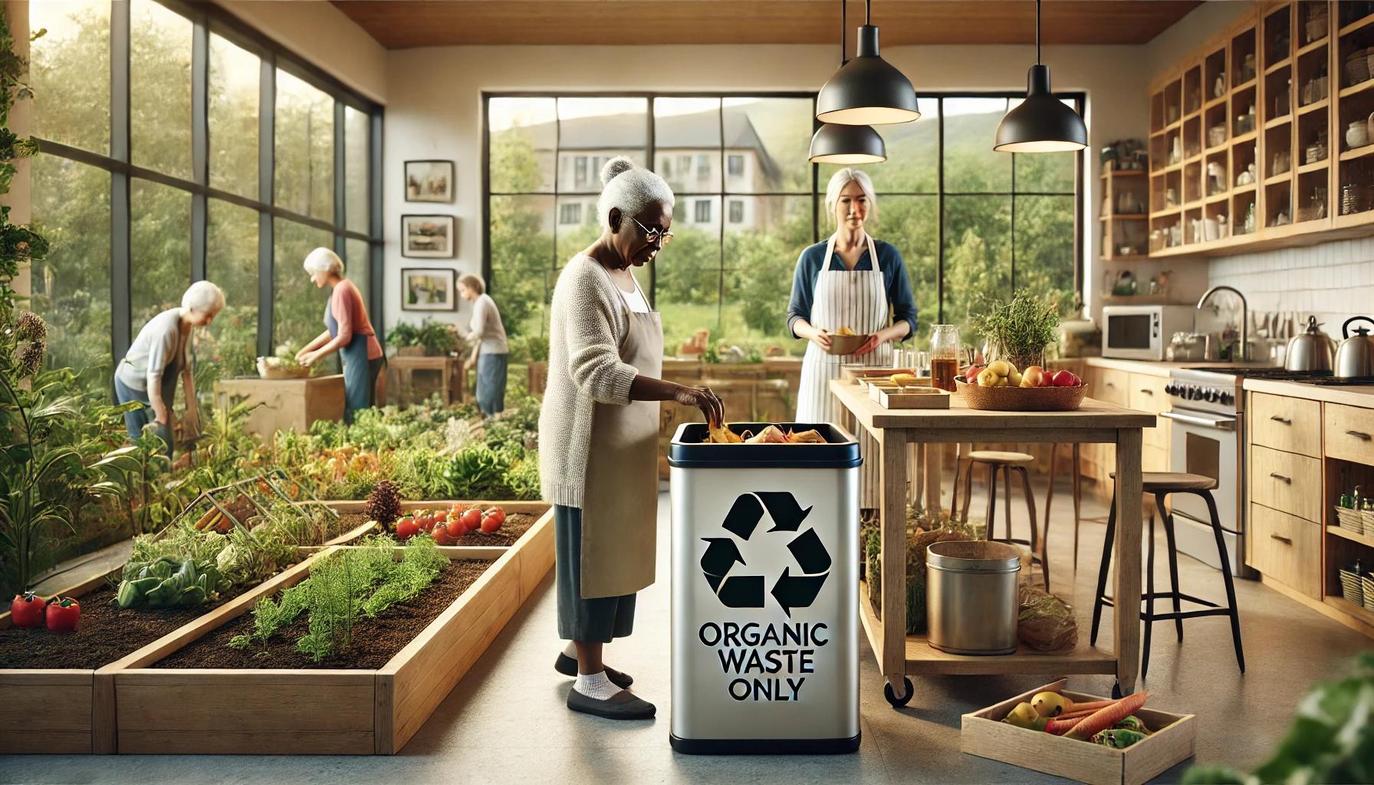
Composting and Smarter Meal Planning in Senior Living
Food waste is a significant issue in many industries, and senior living facilities are no exception. However, many communities are taking proactive steps to address this problem by implementing composting programs and improving meal planning practices. Reducing food waste starts with thoughtful strategies—and senior communities are making progress with methods like:
- Setting up composting systems for food scraps, coffee grounds, and organic materials
- Encouraging residents to participate in gardening using composted soil
- Analyzing meal patterns to reduce overproduction and leftovers
- Collaborating with nutritionists to optimize portion sizes and menu planning
- Donating excess prepared meals to local food banks and shelters
Composting transforms everyday scraps into nutrient-rich soil—fueling vibrant gardens and inviting green spaces that residents can enjoy firsthand. Together, these steps help cut down waste while nourishing both residents and the surrounding community.
Reducing Single-Use Plastics in Senior Communities
Dining and Housekeeping Go Green
Another key area of focus for senior living facilities is reducing the use of single-use plastics and other disposable items. Many communities are transitioning to reusable or biodegradable materials in dining areas, housekeeping, and common spaces.
Everyday Swaps That Make a Big Difference
For example, facilities are replacing plastic utensils, straws, and cups with reusable or compostable alternatives. In housekeeping, they’re opting for eco-friendly cleaning products and microfiber cloths that can be washed and reused. Even small changes, like switching to refillable soap dispensers or offering reusable water bottles to residents, can make a big difference over time. Reducing single-use plastics doesn’t have to be overwhelming—many senior living facilities are already making simple swaps like:
- Replacing plastic utensils, straws, and cups with reusable or compostable options
- Using microfiber cloths instead of disposable paper products in housekeeping
- Switching to refillable soap dispensers throughout the facility
- Offering reusable water bottles to residents
These small shifts make a lasting difference—cutting down landfill waste, improving indoor air quality, and giving residents a visibly cleaner, more welcoming space to thrive.

Leadership and Hiring Practices that Prioritize Sustainability
Sustainability isn’t just about waste reduction—it’s also about the people behind the initiatives. Senior living facilities are increasingly prioritizing sustainable hiring practices and incorporating eco-conscious values into their leadership decisions.
Facilities are seeking employees who are passionate about sustainability and willing to contribute to green initiatives. This might include hiring staff with experience in environmental management, sustainability coordinators, or even partnering with local schools to offer internships focused on green practices.
At the executive level, leaders are making sustainability a core part of their decision-making processes. This means committing to clear sustainability benchmarks, upgrading infrastructure with green design in mind, and weaving environmental responsibility directly into the values that guide resident care. By embedding sustainability into their organizational culture, senior living facilities can drive meaningful, long-term change.
How Residents and Staff Are Learning to Live Green
Workshops and Informational Campaigns
Education is a critical component of any sustainability initiative. Senior living facilities are taking steps to educate both residents and staff on the importance of waste reduction and recycling, as well as how they can contribute to these efforts.
Resident-Led Sustainability Efforts
Workshops, seminars, and informational materials are being used to raise awareness about sustainable practices. For example, residents might learn how to properly sort recyclables, reduce single-use plastics, or participate in composting programs. Staff training programs ensure that employees understand the facility’s sustainability goals and how their daily actions can make a difference.
Some communities are even involving residents in the planning and implementation of sustainability initiatives. This not only encourages active participation, but also strengthens social bonds and gives residents a meaningful role in shaping their environment.

Local Partnerships That Drive Sustainability
Senior living facilities are also looking beyond their walls to make a positive impact. Many are partnering with local organizations to repurpose or recycle items that would otherwise end up in landfills. Community collaboration is a cornerstone of many sustainability programs. Senior living facilities are extending their impact through:
- Partnering with electronics recyclers to safely dispose of old tech and equipment
- Donating used furniture, appliances, and household items to local nonprofits
- Supporting creative reuse projects with artists or schools
- Hosting joint sustainability events or drives with community partners
- Engaging in city-wide recycling or composting initiatives
These alliances not only minimize landfill contributions but also build deeper, mutually beneficial community relationships.
A Greener Future for Senior Living
Senior living facilities are proving that sustainability and wellness go hand in hand. By implementing composting programs, reducing food waste, transitioning to reusable materials, and educating residents and staff, these communities are making significant strides in reducing their environmental footprint.
Sustainable hiring practices and leadership decisions ensure that these efforts are embedded in the facility’s culture, while partnerships with local organizations extend their impact beyond their walls. Together, these changes foster calmer, cleaner living spaces—where residents breathe easier, staff work with fewer toxins, and green practices become second nature.
As the demand for eco-friendly senior living options grows, facilities that prioritize sustainability will be well-positioned to attract residents and families who value both quality care and environmental responsibility. By turning waste into wellness, senior living communities are not only improving the lives of their residents but also contributing to a healthier planet for future generations.

FAQ: Sustainable Practices in Senior Living Facilities
What are senior living facilities doing to reduce food waste?
Many implement composting programs, partner with food banks, and improve meal planning to minimize waste and maximize sustainability.
How do these communities reduce single-use plastics?
Facilities are switching to reusable or compostable materials in dining and housekeeping, including utensils, cups, and cleaning products.
Are residents involved in sustainability efforts?
Yes, many facilities educate and involve residents in composting, recycling, and green planning efforts to build shared environmental responsibility.
What kind of eco-conscious hiring practices are used?
Facilities often hire sustainability coordinators or staff trained in green practices and embed sustainability into leadership strategies and company culture.
How do local partnerships support their green goals?
Facilities collaborate with recycling centers, charities, and artists to repurpose electronics, furniture, and other materials that would otherwise become waste.
Do sustainable practices improve resident well-being?
Absolutely. Reducing toxins, improving air quality, and fostering nature-connected programs all contribute to better mental and physical health.


