
Gardening is one of the best ways to find peace and relaxation, with its calming activities, fragrant smells, and stunning natural beauty. Many people are now incorporating this ancient practice into their daily routine for physical and mental health benefits — improved moods and increased focus. But did you know that garden therapy can go far beyond just a soothing distraction? Experts agree that gardening has powerful healing capabilities on both emotional and psychological levels.
What is Garden Therapy: A Quick Overview
Garden therapy, also known as horticulture therapy, is an alternative therapy that utilizes gardening activities to improve a person’s physical and mental well-being. It can be beneficial for individuals who are experiencing mental health issues or recovering from a traumatic experience. By participating in simple gardening tasks or adding some decorations like modern bird bath fountains, garden therapy allows individuals to focus on the present moment and connect with nature.
Studies have shown that garden therapy can reduce symptoms of anxiety and depression and improve overall mood and self-esteem. It has also been found to be helpful in managing symptoms of conditions such as dementia and PTSD. Overall, garden therapy offers a unique and effective way to improve mental and emotional health.
1. Stress Relief
In today’s hectic world, stress management has become a crucial part of maintaining good physical and mental health. While there are many ways to tackle stress, gardening is one of the most soothing and effective ways to cope.
Planting, watering, and caring for your garden can significantly reduce cortisol levels, the body’s primary stress hormone. These nurturing activities have a calming effect on the mind, reducing anxiety and soothing frayed nerves. And if you’re looking for a reason to start gardening, the result is the added beauty and bounty of fresh produce that you can enjoy with your loved ones.
2. Mental Health
Gardening fosters a deep sense of connection with nature and provides a therapeutic channel for self-expression. It acts as a sanctuary, a place where one can freely nurture and cultivate life, resulting in a sense of accomplishment and self-esteem. The act of observing and assisting growth fosters a sense of patience and mindfulness.
There are psychological studies that support the idea that being around plants and flowers significantly improves one’s mood and reduces the likelihood of stress-related depression. If you’re feeling down or anxious, spending some time in the garden can offer relief and promote a positive mental state.
3. Physical Exercise
For those who enjoy spending time outdoors and want to get some daily exercise in, gardening may just be the perfect hobby. Not only does it involve a range of physical tasks, from digging and planting to weeding and watering, but it also offers the added benefits of fresh air and sunshine. Studies show that gardening can increase strength, flexibility, and endurance while also reducing stress and boosting mood.
Best of all, you get the added reward of watching your hard work come to life in the form of beautiful plants and flowers. Grab your gloves and get ready to break a sweat while creating your very own outdoor oasis.
4. Cognitive Health
Gardening isn’t just a hobby; it’s a fantastic way to boost cognitive health too. Spending time outdoors, getting your hands dirty, and tending to plants can have a powerful impact on the brain. Regular gardening can sharpen your attention and enhance your problem-solving skills, which are important for your daily life.
There’s also growing evidence to suggest that gardening could reduce the risk of developing dementia or Alzheimer’s disease. In a study conducted by the Journal of Alzheimer’s Disease, gardening was found to be one of the top two activities that could reduce the risk of developing these conditions.
5. Enhances Social Interaction
Community gardening projects offer much more than just fresh produce. They provide a platform for members of a community to come together and interact in a meaningful way. When you work side by side in the garden, you can engage in conversations, share stories, and develop friendships. This social aspect of community gardening is especially important in our fast-paced, technology-driven world, where face-to-face interaction is becoming increasingly rare.
Feeling connected and valued within a community combats feelings of loneliness and promotes a sense of belonging and responsibility. Overall, gardening projects are a holistic approach to strengthening communities, both mentally and physically.
6. Nutrition
Gardening your own vegetables and fruits is a smart choice for your health. By doing so, you are certain to have access to fresh, healthy produce that you can incorporate into your daily meals.
Adding homegrown fruits and vegetables to your diet is an excellent way to improve your nutrition and overall well-being. You don’t have to worry about pesticides or other harmful chemicals that might be used in commercial farming. Instead, you can be sure that the food you are eating is 100% organic and free of harmful substances.
Bonus: Environmental Impact
Gardening has a substantial environmental impact that goes beyond enhancing the aesthetics of your surroundings. It fosters biodiversity by creating habitats for diverse species of insects, birds, and other wildlife. It’s a great way to combat air pollution as plants absorb carbon dioxide and release oxygen, supporting a healthier environment.
Sustainable gardening practices such as composting and using natural pest control methods reduce waste and minimize reliance on harmful chemical pesticides and fertilizers. In addition, homegrown fruits and vegetables require no transportation, thus reducing carbon emissions associated with food transport. Gardening is a fantastic way to contribute to environmental sustainability while enjoying a rewarding hobby.
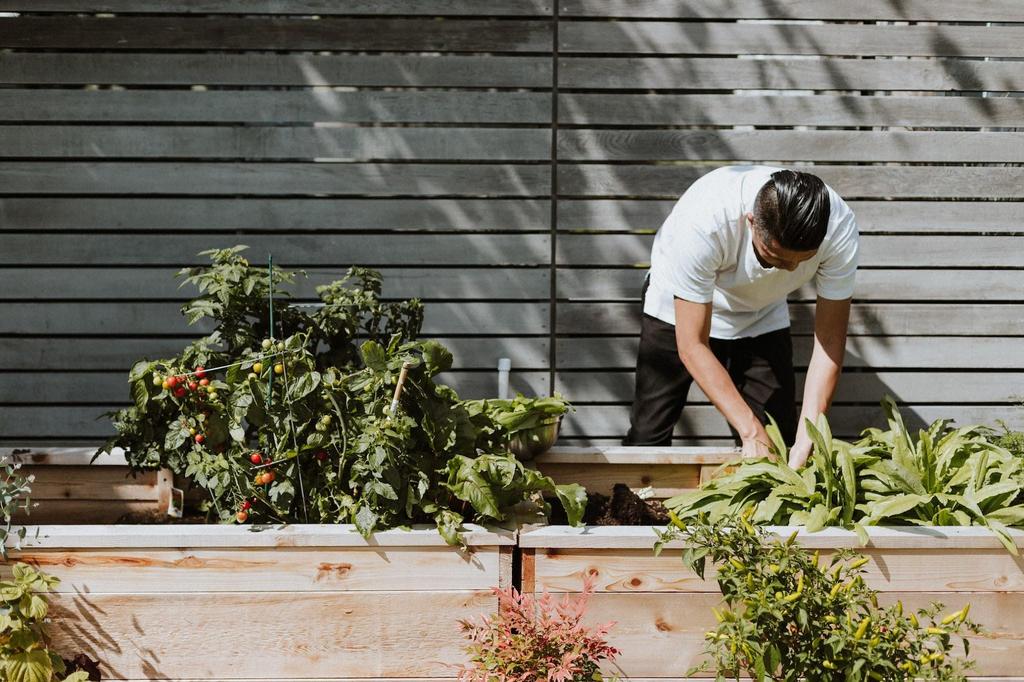
Gardening is more than just a leisurely pastime: it’s a therapeutic activity that promotes physical and mental well-being, provides stress relief, encourages physical exercise, boosts cognitive health, facilitates social interaction, improves nutrition, and positively impacts the environment. Whether it’s a small indoor plant collection or an expansive outdoor garden, incorporating this practice into everyday life can contribute to a healthier lifestyle and a happier mind. The next time you feel stressed or need a pick-me-up, consider heading out into the garden and connecting with nature.

