
Imagine a world where the air is cleaner, the streets are quieter, and the drive to work is easier on the wallet. This isn’t just a dream of the future; it is becoming a reality thanks to the rise of electric vehicles (EVs) and the widespread availability of EV chargers. These unassuming stations, scattered across cities, parking lots, and highways, hold the key to a greener and more sustainable transportation system.
Electric vehicles have gained significant traction in recent years, with an increasing number of people recognizing their environmental benefits and cost-saving potential. As the demand for EVs continues to surge, the need for reliable and efficient charging infrastructure becomes paramount. Enter electric vehicle chargers, the unsung heroes of the electric revolution.
In this article, we will explore the societal impact of EV chargers and how they benefit humanity. We will delve into the history of electric vehicles, discuss the challenges of charging infrastructure, and highlight the positive effects these chargers have on local economies, public health, and the environment. Strap in as we embark on a journey into the world of EV chargers and their potential to shape our society for the better.
The Rise of Electric Vehicles
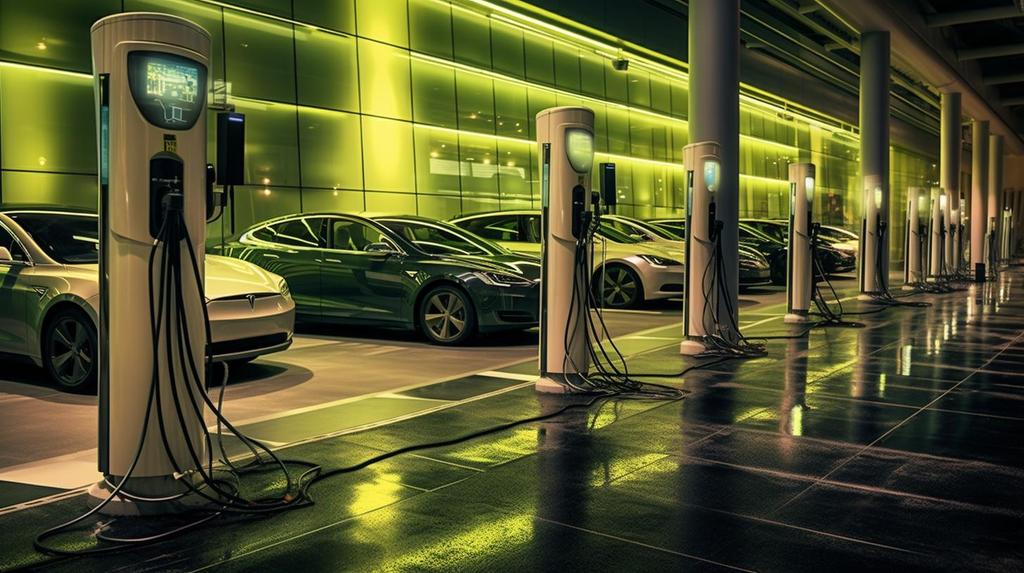
Electric vehicles have come a long way since their humble beginnings. While they may have seemed like a niche concept not too long ago, the tide has turned, and EVs are now becoming a mainstream choice for many car buyers. This shift is primarily driven by the increasing awareness of the environmental impact of traditional gasoline-powered vehicles and the advancements in EV technology.
Over the years, electric vehicles have evolved to become more energy-efficient and affordable, offering comparable performance to their gasoline counterparts. Additionally, government incentives and supportive policies aimed at reducing greenhouse gas emissions have further boosted their popularity. As a result, we are witnessing a revolution on our roads, with EV sales steadily rising year over year.
The Challenge of Charging Infrastructure
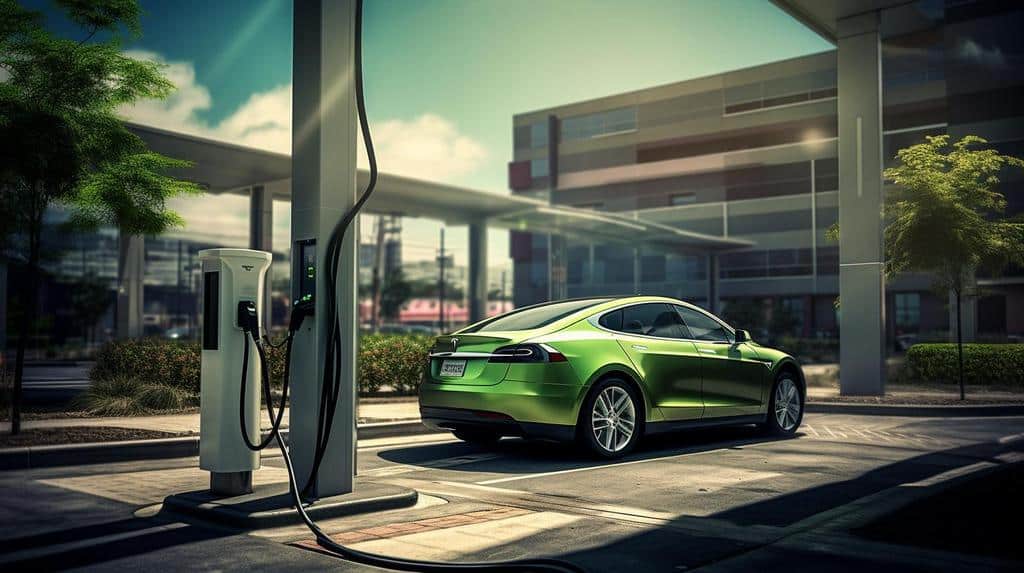
While the growth of electric vehicles is promising, the development of a reliable and widespread charging infrastructure poses a significant challenge. Unlike traditional gas stations that are readily available, EV chargers require a different approach due to their reliance on electricity.
Electric Vehicle Charging Station Accessibility
One of the primary concerns is the need for accessible and convenient charging stations. To encourage mass adoption of electric vehicles, drivers must have confidence that charging points are available wherever they go, be it at home, work, or public spaces. Developing an extensive network to ensure a commercial car charging station is always accessible remains crucial to address range anxiety and ensure that EV owners have peace of mind while traveling.
Community Engagement and Involvement
Building a robust charging infrastructure is a collaborative effort involving governments, businesses, and communities. Government entities play a crucial role by implementing supportive policies that incentivize the installation of EV chargers and provide funding for charging infrastructure projects. Similarly, businesses can contribute by incorporating charging stations into their parking lots or offering workplace charging options.
Moreover, community involvement is vital to ensure that electric charging stations are strategically located in areas where they are easily accessible to residents and visitors. Communities can collaborate with local businesses, homeowners’ associations, and other stakeholders to identify suitable locations for charging infrastructure.
Overcoming these challenges is essential to encourage wider EV adoption and maximize the benefits they offer. With an efficient and well-distributed charging network, we can pave the way for a future where electric vehicles are the norm, contributing to a cleaner environment and a sustainable transportation system.

The Societal Impact of EV Chargers
The societal impact of electric vehicle chargers stretches far beyond simply providing a means to charge electric vehicles. These charging stations have the potential to boost local economies, create job opportunities, and reduce dependence on fossil fuels.
EV Chargers Provide Economic Boost
One notable impact is the economic boost that comes with the installation of EV chargers. As more people switch to electric vehicles, there is a growing need for charging infrastructure. This presents a valuable opportunity for businesses to capitalize on the demand and establish charging stations. From restaurants to shopping centers and hotels, businesses that offer EV charging facilities can attract and retain environmentally-conscious customers, ultimately driving foot traffic and increasing revenue.
Additionally, the installation and maintenance of EV chargers create job opportunities. The renewable energy sector, which includes the development of charging infrastructure, has the potential to generate numerous green jobs. This includes positions such as electricians, technicians, and engineers who specialize in EV charging technology. By investing in the expansion of charging networks, we not only promote sustainable transportation but also contribute to job growth and economic stability.
Benefits to Humanity
The benefits of EV chargers extend well beyond economic prosperity. Embracing electric vehicles and investing in charging infrastructure can have a transformative impact on humanity as a whole.
Electric Vehicle Infrastructure Improves Public Health
One of the most significant benefits is the improvement of air quality and public health. Traditional gasoline vehicles are major contributors to air pollution, releasing harmful emissions and particulate matter into the atmosphere. Electric vehicles, on the other hand, produce zero tailpipe emissions. By shifting to electric transportation and promoting the use of EV chargers, we can mitigate air pollution, reduce the prevalence of respiratory health issues, and create a healthier living environment for all.
Reducing Anthropogenic Sources of Climate Change
Moreover, the adoption of electric vehicles and the development of charging infrastructure play a crucial role in the fight against climate change. Transportation is a significant source of greenhouse gas emissions worldwide. By transitioning to electric vehicles and relying on clean energy sources for charging, we can substantially reduce carbon emissions and mitigate anthropogenic sources of runaway climate change. EV chargers act as an enabler, supporting the integration of renewable energy into the transportation sector and accelerating our progress towards a sustainable, low-carbon future.
Public Transportation and Electric Vehicle Charging Infrastructure
Another crucial aspect to acknowledge is the profound impact of EV chargers on promoting social equity and accessibility in the realm of public transportation. In underserved communities where access to reliable transportation options is limited, the presence of affordable electric buses and well-distributed charging infrastructure can be transformative. By strategically deploying EV chargers in diverse neighborhoods and public spaces, we can bridge transportation gaps and empower individuals from all socioeconomic backgrounds to embrace cleaner and more sustainable modes of transportation. This commitment to equitable access ensures that clean mobility choices are available to everyone, reinforcing the principles of social equality and environmental justice.

Overcoming Challenges and Ensuring a Sustainable Future
While the societal impact of EV chargers is promising, there are still challenges to overcome to ensure a sustainable future. Fortunately, advancements in technology and collaborative efforts among stakeholders offer solutions to address these challenges.
One key area of focus is the improvement of charging technology. Innovations such as fast-charging stations and wireless charging are emerging to enhance the charging experience and reduce charging times. Fast-charging stations can replenish an EV’s battery in a matter of minutes, making long-distance travel more feasible and convenient. Wireless charging, on the other hand, eliminates the need for physical connections, allowing for effortless and cable-free charging.

Conclusion
The power surge of EV chargers is driving the electric vehicle revolution and shaping our collective future. With benefits ranging from improved air quality and public health to boosted local economies and enhanced social equity, these unassuming stations are enabling us to make significant progress toward our sustainability goals.
As the demand for electric vehicles continues to rise, the development of a reliable and accessible electric vehicle charging infrastructure becomes crucial. By investing in charging technology and expanding charging networks, we can overcome current challenges and create a sustainable future for all. Governments, businesses, and communities must collaborate to ensure that customers and drivers have convenient access to charging stations wherever they go.
With EV chargers becoming commonplace and integrated into our daily lives, the accessibility and availability of charging stations are key factors in reaching our sustainability goals. Drivers must have confidence in the ease and reliability of charging their vehicles. Investing in charging infrastructure not only supports the adoption of electric vehicles but also stimulates local economies. Businesses that provide charging facilities can attract environmentally-conscious customers, reinforcing the circular relationship between sustainability and economic prosperity.
In conclusion, the power of EV chargers goes beyond just charging vehicles. They empower us to embrace sustainable transportation options, reduce our carbon footprint, and foster greater social equity. By embracing supportive policies, investing in charging technology, and expanding charging networks, we can ensure a sustainable future where clean transportation is accessible to all. Together, let us embark on the path towards a cleaner, greener, and more sustainable world.


