
The Obesity Epidemic
Six hundred fifty million people worldwide (13%) are obese – a tripling since 1975. In the United States, it affects over a third of adults. Meaning, we are going through an obesity epidemic. The dramatic surge in people affected by the condition underscores the importance of grasping how the human body balances energy intake and expenditure.
Obesity is linked to severe health problems such as cancer, cardiovascular disease, and diabetes. For example, according to data from the Centers for Disease Control and Prevention, over 30 million Americans (almost 10% of the population) have diabetes.

Unfortunately, there are few safe and effective noninvasive therapeutic interventions available for patients with obesity. As a result, the past decade has been filled with research focused on the varying types of fat in the human body, showing us how some are more desirable to keep in shape.
Among them are white and brown fat cells. White fat is the one we’re all familiar with that causes double chins and beer bellies. Brown fat is the one that contains higher concentrations of mitochondria, which burn glucose to generate body heat (a process called thermogenesis).
In 2009, scientists discovered that brown fat, once thought only to be found in newborns, is still present in adults. This kickstarted a new field of research dedicated to finding out if and how white fat could be turned into the healthier brown fat that burns calories through thermogenesis. If so, it would be a much easier and nonsurgical way of tackling metabolic disorders, type 2 diabetes, and obesity.
PLIN5: The Protein That Gets Fat To Burn More Calories
So, we know that your body’s brown fat burns calories, whereas white fat is the kind that forms love handle and such. In addition, all mammals have brown fat cells to burn fat when the temperature gets cold to increase body heat. Working off this, a study by scientists at the University of Texas Southwestern Medical Center found that increasing a particular protein concentrated in brown adipose tissue (brown fat cells) remodels white adipose tissue (white fat cells) to lower diabetes risk in vulnerable individuals.
So, boosting this specific protein in the healthy brown fat cells leads to beneficial changes in the white fat cells, making them behave like those good fat cells that burn calories. It also appears to promote insulin sensitivity, lower blood sugar, and protect against fatty liver disease. The scientists hope to wield this discovery to tackle obesity and its related conditions.
This study focuses on perilipin 5 (PLIN5) – a protein that coats lipid droplets inside cells, principally those of the brown fat variety. The team genetically engineered mice to possess high levels of PLIN5 in their brown fat tissue and observed them. The animals maintained higher insulin sensitivity and significantly lower blood sugar concentrations during glucose tolerance tests than non-modified mice with normal PLIN5 levels. The mice with high PLIN5 levels also had fewer fatty livers.
The scientists then looked for the mechanism responsible for these positive changes. They found that the mitochondria in the brown fat cells of the genetically engineered mice had adapted to burn more fat as if the animals were in cold temperatures. As a result, the brown fat burned as many calories at room temperature as it would in the cold. And the white fat cells in the engineered mice shrunk and showed signs of reduced inflammation, both hallmarks of the ability to process sugar and improved insulin sensitivity.
However, the team is still investigating how the brown fat cells communicate with the white ones. One of the researchers suggested that they perhaps send a molecular factor via the bloodstream when PLIN5 levels rise inside brown adipocytes.

Theme1: The Protein Molecule That Halts Fat Burning
This study builds on research efforts focused on converting white fat into brown fat. Scientists in the United States identified a new metabolic process via preclinical research using mouse models that could be targeted to make the fat-burning process in humans more effective. It involves a protein (enzyme) that interferes with the energy pipeline to stop the fat-burning process, aiming for fat-burning drugs.
The investigators from Weill Cornell Medicine, Harvard Medical School/Beth Israel Deaconess Medical Center, and New York-Presbyterian investigated the biological mechanisms behind fat-burning to find a way to treat obesity. In the process, they identified Them1, the protein (enzyme) involved in regulating metabolism, and demonstrated how blocking its activity can boost the metabolic process.
Them1 is also produced within the human body, in brown fat, in response to temperature. It prevents fat burning in cells by blocking access to the fuel source. The findings are a promising lead to the development of new obesity treatments.
Dr. David Cohen, one of the study authors and chief of the Division of Gastroenterology and Hepatology at NewYork-Presbyterian/Weill Cornell Medical Center and Weill Cornell Medicine, said:
The study explains a new mechanism that regulates metabolism. Them1 hacks the energy pipeline and cuts off the fuel supply to the energy-burning mitochondria. Humans also have brown fat and produce more Them1 in cold conditions so that the findings may have exciting implications for the treatment of obesity.”
“If we could give humans a drug that inactivates Them1’s energy expenditure-suppressing activity, we might be able to increase fat burning.
Dr. Cohen and his colleagues (cell biology and microscopy expert Dr. Susan Hagen, an associate professor of surgery from Harvard Medical School and director of Microscopy and Histology Core Facilities at BIDMC, and Vincent Astor Distinguished Professor of Medicine at Weill Cornell Medicine) first became interested in Them1 about a decade ago when they discovered mice subjected to cold temperatures produce a lot of the enzyme in their brown fat tissue. However, Cohen and Hagen have been collaborators since 1983, so they’ve been tackling subjects like this since long before this study.
Initially, they assumed that Them1 was helping the animals generate heat and thus drew up experiments where they were genetically engineered to lack it. However, this was not the case! Instead, the reverse proved to be true. The animals lacking the gene that codes for Theme1 burned so much energy to produce heat that they ate double what a typical mouse eats and still lost weight.
Dr. Cohen said:
To our complete surprise, when you delete the gene for Them1, the mouse produces more heat, not less.
Resultantly, the team discovered that mice in cold temperatures produce Them1 when their metabolism starts fat burning to generate heat. So them1 sits on standby until the mice aren’t cold anymore, then steps in to shut down the energy-intensive heat production process.
Dr. Hagen said:
Them1 is an interesting molecule. If you inhibit or block its expression, metabolism increases, and that reduces body weight.
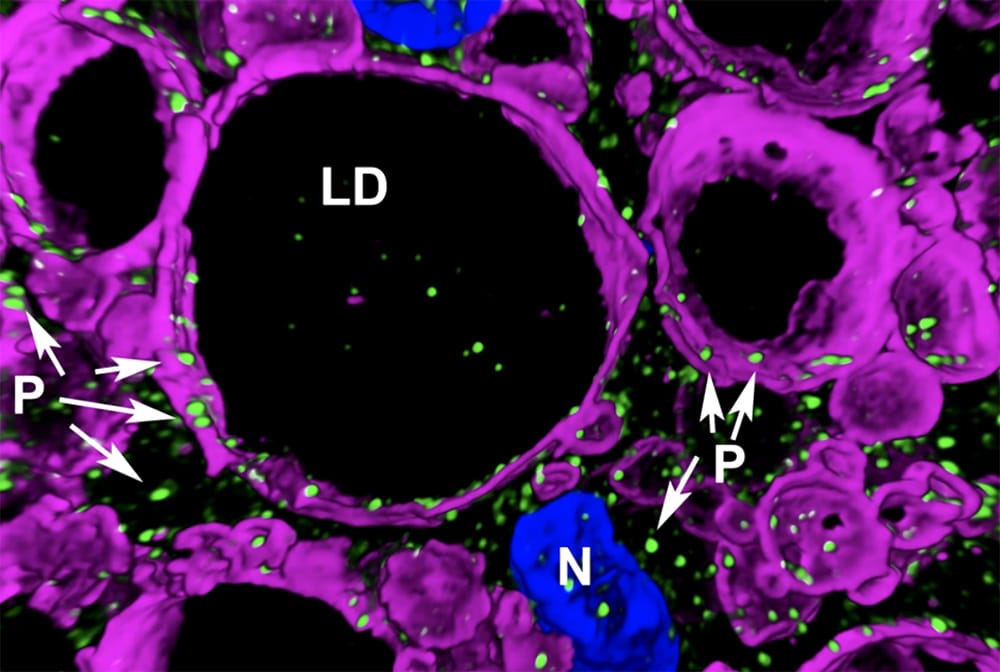
They used light and electron microscopes to observe Them1 in action with brown fat cells grown in the lab to further their understanding. They saw that the Them1 molecules become chemically altered and spread out throughout the cell as the fat begins to burn. The diffusion enables the mitochondria (the cell’s powerhouses) to be more readily able to turn the cell’s fat stores into energy efficiently.
Next, putting the fat-burning stimulation on hold, the team saw the Them1 proteins reorganize into a biomolecular condensate structure, concentrating between the mitochondria and fat to limit energy production. The study helps explain how the molecule turns off heat production.
Dr. Hagen continued:
It turned out to be so incredibly interesting. First, we asked other microscopy experts whether they had ever seen anything like the unusual images we found in resting cells. Then, using very sophisticated electron microscopy techniques, we were able to show — for the first time, as far as we know — what the bimolecular condensate looks like in electron microscopy.
This was the most fun I have ever had in science in my life. Including multiple primary investigators with different expertise gives you the power of doing things that you could never do on your own.
Thanks to these findings, the team is now developing a drug that keeps Them1 on standby.
Glycogen: The Link To Heat Generation In Brown Fat Cells
The human body contains two, sometimes three, types of fat tissue: white, brown, and beige. White fat cells are simple and store energy as oily droplets. Brown fat cells are more complex. They contain several smaller droplets mixed with dark-colored mitochondria (hence why they’re brown). These cellular organelles also serve as the “engines” that convert the droplets into heat and energy. In addition, some people have extra beige fat cells residing within white fat. These are brown-like cells that can be activated to burn energy.
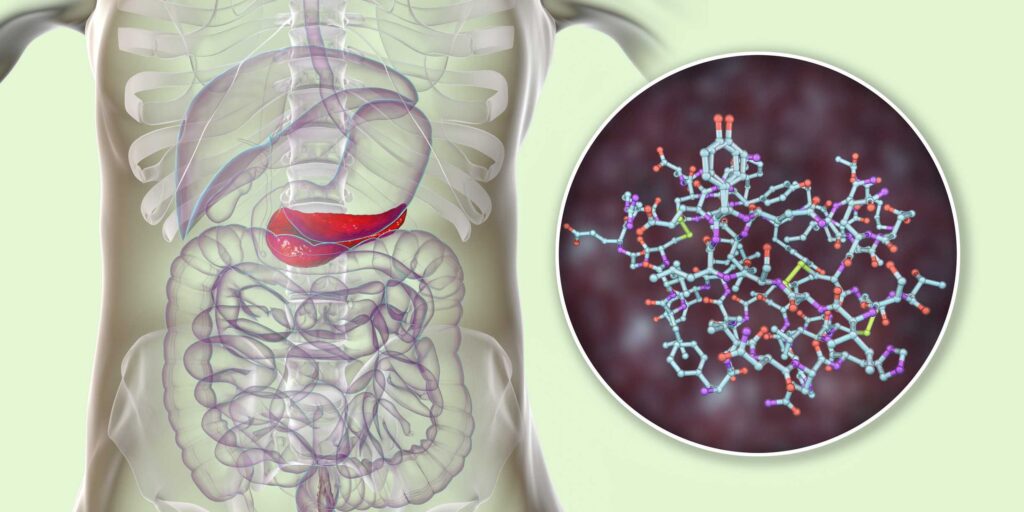
Another of the latest breakthroughs in brown fat research comes from scientists at the University of California, San Diego, led by senior author Alan Saltiel, Ph.D., director of the school’s Institute for Diabetes and Metabolic Health. Their findings explain how heat production and energy expenditure are regulated in obesity through a previously unknown cellular pathway.
This team focuses on a type of stored sugar called glycogen, which is glucose stored chiefly in the skeletal muscle cells and liver until the body draws on it for energy or to keep blood sugar to healthy levels. The researchers already knew that the human body breaks down carbohydrates from food into glucose, the primary source of fuel for cells. As a result, extra glucose is stored as glycogen to be quickly extracted during those sudden energy or blood sugar regulation needs. What they didn’t know was the role glycogen plays in fat cells.
To find answers, the team used overweight mice as a model to study glycogen’s behavior in the metabolic pathway of stored sugar. They discovered it plays a prominent role in how cellular energy is produced and expended in obesity (it doesn’t only store energy within fat cells), advancing therapeutic potential. In other words, they found a novel signaling pathway through which bad fats can be converted into healthier forms, exposing new possibilities for weight loss and metabolic health improvement methods.
The “browning” of fat cells is directly linked to how well they could make and degrade glycogen. The glycogen provides a signal, producing a significant shift in how energy is handled. It lets the fat cell know it’s safe to “uncouple” the production of ATP – a molecule that provides power for most cellular processes. The higher the glycogen levels, the more influential the metabolic processes, equating to faster fat burning and, thus, weight loss.
Senior author Alan Saltiel said:
Uncoupling is a way to generate heat, and in the process, help balance energy. This pathway thus ensures that only the fat cells with enough energy stores to fuel the generation of heat are allowed to do so.
The team then analyzed human data and found that patients with lower levels of the genes involved in this process were indeed obese or susceptible to weight gain. Therefore, they concluded that the glycogen pathway is crucial for fat cells to burn excess calories. Furthermore, it acts as a critical link between thermogenesis and glucose metabolism, raising the prospects of developing treatments that modulate glycogen metabolism in fat cells to improve metabolic health and promote weight loss.
Lab-Made Celastrol: A Replica of the Plant Compound, Minus Its Side Effects
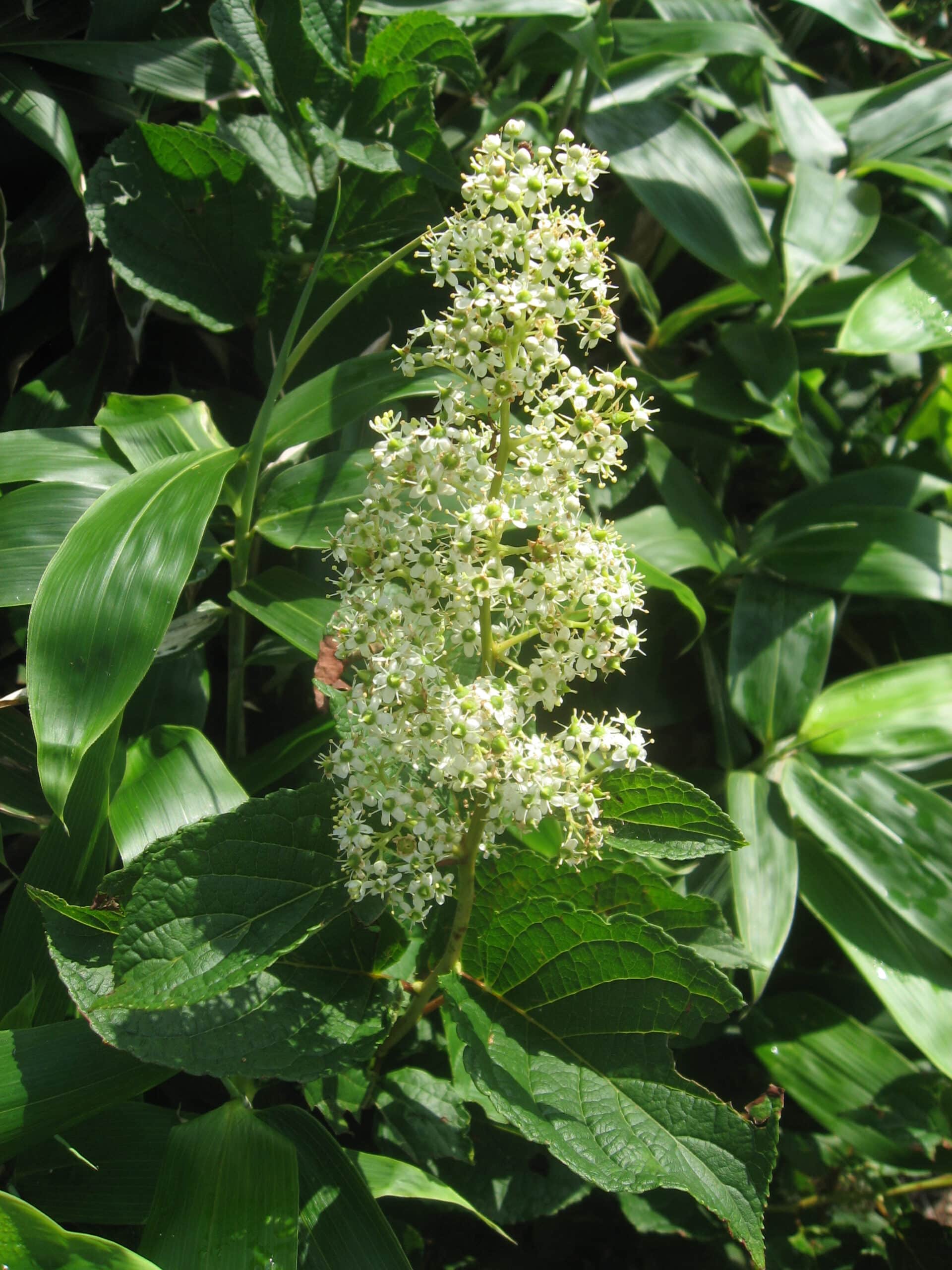
University of Texas Southwestern scientists safely replicated the weight-loss benefits of celastrol, a compound derived from the roots of Regel’s threewingnut and the Thunder god vine – a white-flowered plant from China. Despite its harmful side effects, the natural extract has long been used in traditional Chinese medicine to treat psoriasis and rheumatoid arthritis.
Studies have also revealed celastrol can prevent and reverse obesity in mice and thus holds critical answers to developing obesity therapies. In addition, a 2018 study showed that it combats obesity by restoring the function of leptin. This hormone plays an essential role in appetite regulation by letting us know when we’ve eaten enough.
Obesity compromises leptin performance by causing the receptors in the brain to malfunction. As a result, the “fullness” signals don’t arrive when they should, leading an individual to overeat and continually gain weight. This earlier study demonstrated how celastrol restores leptin sensitivity, corresponding to an average 10% loss in body weight in a week.
Unfortunately, research has also found it can cause lethargy and high blood pressure in mice. Nevertheless, the benefits are so great that scientists continued investigating the compound to pinpoint its weight loss mechanisms and isolate them to develop an advanced treatment for obesity, which the UT Southwest team has accomplished! In addition, they’ve gained a new understanding of how celastrol works on a cellular level, allowing the side effects to be avoided.
Their study shows that celastrol requires a specific protein (called PERK) found in a type of neuron that influences metabolism (called POMC). They found it’s possible to mimic a “fed” signal to mouse brains by deleting this protein from the neurons. As a result, the mice lost 7% of their body weight in two weeks, despite consuming a high-fat diet. Furthermore, the mice didn’t appear to be suffering the same physical ailments as documented in previous research when the actual compound was administered.
Kevin W. Williams, Ph.D., one of the study author’s who is an investigator at the Peter O’Donnell Jr. Brain Institute Center for Hypothalamic Research and an Associate Professor of Internal Medicine at UT Southwestern, said:
The mice were leaner and had the same activity levels; they didn’t appear lethargic, sickly, or ill. But this is through observation only. Further study is needed to verify how targeting this pathway may be influencing their cardiovascular systems and other functions.
Previous research has established that POMCs are associated with lower blood glucose levels, reduced appetite, and improved energy burning. Another 2018 study from Dr. Williams even revealed that a single bout of physical activity could boost POMC activity for up to two days! However, this new research shows they are central to how celastrol drives weight loss by inhibiting PERK. Thus, deleting PERK from POMCs mimicked the effects of celastrol, protecting the mice against diet-induced obesity sans the adverse side effects.
Dr. Williams said:
This new understanding of how celastrol works on the cellular level open more possibilities for targeting pathways that can improve our metabolism without the negative health impact. We haven’t uncovered all the cell populations that influence weight loss, but each of these findings brings us closer to developing effective, safe therapies for obesity.
Although, some unanswered questions remain. For example, deleting PERK from POMCs only blocked about 50% of the food intake-reducing effect of celastrol.
Dr. Williams continued:
This indicates there are other cell populations for celastrol’s effects on metabolism besides POMC. We’ll continue mapping the roles of these cell types until we have a fuller picture of the complex network of pathways. One day, perhaps, this knowledge may contribute to the development of more effective therapeutics in the treatment of obesity and diabetes.
The studies from Dr. Williams may someday help improve glucose metabolism in people with obesity-driven conditions such as diabetes. Future investigations will focus on the other cell types that might be affected by the compound’s effects on metabolism to build on the knowledge of the intricate pathways at play.
While these breakthroughs are insightful and will potentially lead researchers to develop safer strategies for weight loss in the lab, the Food and Drug Administration and the National Institutes of Health (NIH) caution people against the use of celastrol. Extracts are sold as supplements, but scientists don’t have enough data about their safety and effectiveness.
In Conclusion
These are but the latest breakthroughs in obesity treatment research. Scientists are getting closer and closer to solutions. However, none have resulted in drugs on the market yet. So, for now, a healthy diet and exercise are the only noninvasive methods to reduce your risk of becoming obese. Avoid a western diet, which has been found to impair appetite control.
Here are some articles that may help:
These Delicious Foods Combat Stress So You Stay Healthy And Happy No Matter What!
Boost Your Energy And Health With These Simple Hacks
Grow Fresh Vegetables Year Round in Your Home with Bace Rotofarm
Intermittent Fasting Boosts Liver Metabolism and Fat Burning Power
The Right Food Choices To Make To Fight Inflammation
Inventions That Put You In Control of The Ingredients In Your Food
A Healthy Diet And Exercise Reverse Diabetes In Over 60% of Patients
Non-Dairy Probiotics Made From Recycled Food Waste And Why They’re Good For You
Eating Ants And Grasshoppers Could Protect Against Cancer Scientists Say
Eating Walnuts Daily May Reduce Risk of Cardiovascular Disease
Eating Mushrooms Has Been Found To Reduce The Risk Of Cognitive Decline By 50%
A Vegan Shopping Guide For Beginners
Green Tea Prevents Obesity And Promotes Healthy Gut Microbiome Recent Study Finds
You Should Start Eating More Olives! Here’s Why
Drinking Red Wine Linked To Healthy Gut Microbiome
Scientists Reverse Obesity In Mice By Targeting Inflammation
Short Bursts of Intense Exercise Delivers Astonishing Health Benefits
How To Stay Hydrated And Get A Good Night’s Sleep In The Heat
The Healthiest Way To Brew A Fresh Cup of Coffee
13 Foods With Super Health Benefits
7 Psychological Tips On How To Lose Weight
Eating Mushrooms Has Been Found To Reduce The Risk Of Cognitive Decline By 50%
An Apple Contains 100 million Beneficial Bacteria
Kitchen Appliances For People Who Don’t Have Time To Cook
Regularly Eating Chili Peppers Could Help You Live Longer


