
Inflammation can result in so many harmful health conditions, like cancer, heart disease, and obesity. What you eat plays a big part – it can either reduce inflammation or cause it.
A little inflammation is natural because it’s part of the body’s immune response necessary for healing. However, when it’s out of control, that’s when serious health issues occur.
Scott Zashin, MD, a University of Texas Southwestern Medical Center clinical professor, told Health:
[Foods high in sugar and saturated fat can spur inflammation.] They cause overactivity in the immune system, which can lead to joint pain, fatigue, and damage to the blood vessels.
So, step one: eliminate high-sugar, fatty foods (like doughnuts, for example).

Sugar-sweetened beverages and refined carbs are the worse, so avoid sodas and pastries at all costs possible!
Partially hydrogenated oils and fried foods contain trans fats, a type of unsaturated fatty acid linked to increased inflammation levels. Meaning, no fried chicken and French fries!

Processed foods like frozen meals, fast food, and processed meats have also been associated with higher inflammatory markers like CRP. Avoid things like hot dogs and canned meats.
Step two: incorporate foods that curb inflammation.
Luckily, there are lots of them! Listed below are several of the best choices.
Fish
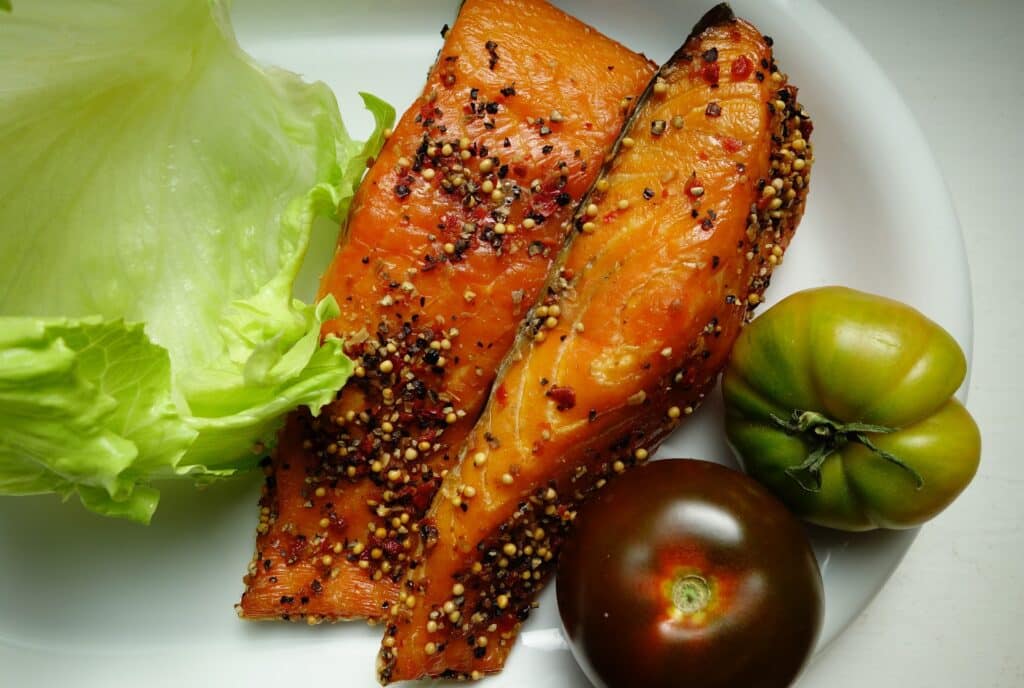
Oily fish – such as anchovies, herring, mackerel, salmon, sardines, and tuna – are high in omega-3 fatty acids EPA and DHA, and protein.
Your body metabolizes omega-3 fatty acids into compounds called protectins and resolvins, which have anti-inflammatory effects. Fish oil has also been found to help curb depression.
Note: Eat at least eight ounces of fish per week. Make sure to cook them in healthy ways, like baked or steamed with minimal or no sauces.
Whole Grains
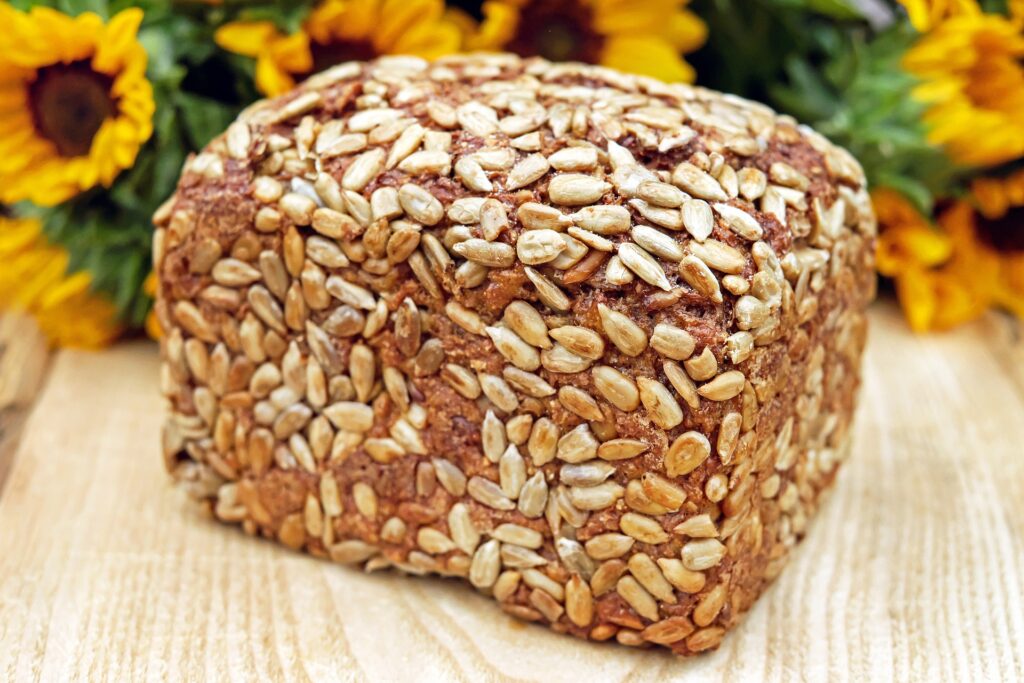
Avoid refined, white bread, rice, cereal, and pasta. Instead, consume whole grains. They have more fiber, which reduces C-reactive protein levels, a marker of inflammation in the blood.
Note: Good choices include oatmeal, quinoa, and brown or wild rice.
Dark Leafy Greens
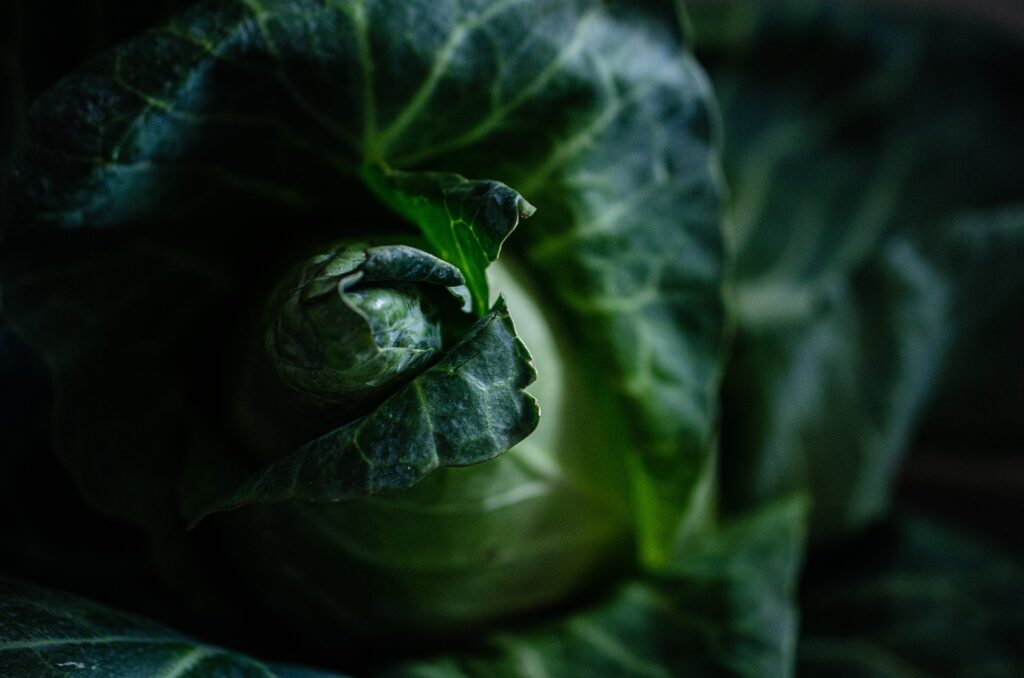
Dark green and cruciferous vegetables – such as broccoli, brussels sprouts, kale, spinach, and swiss chard – are rich in Vitamin E, vital in protecting the body against pro-inflammatory molecules called cytokines.
Such vegetables also have higher concentrations (compared with lighter-colored greens) of other essential nutrients, such as calcium, iron, and disease-fighting flavonoids.
Broccoli is among the best sources of sulforaphane, an antioxidant with potent anti-inflammatory effects.
Avocados
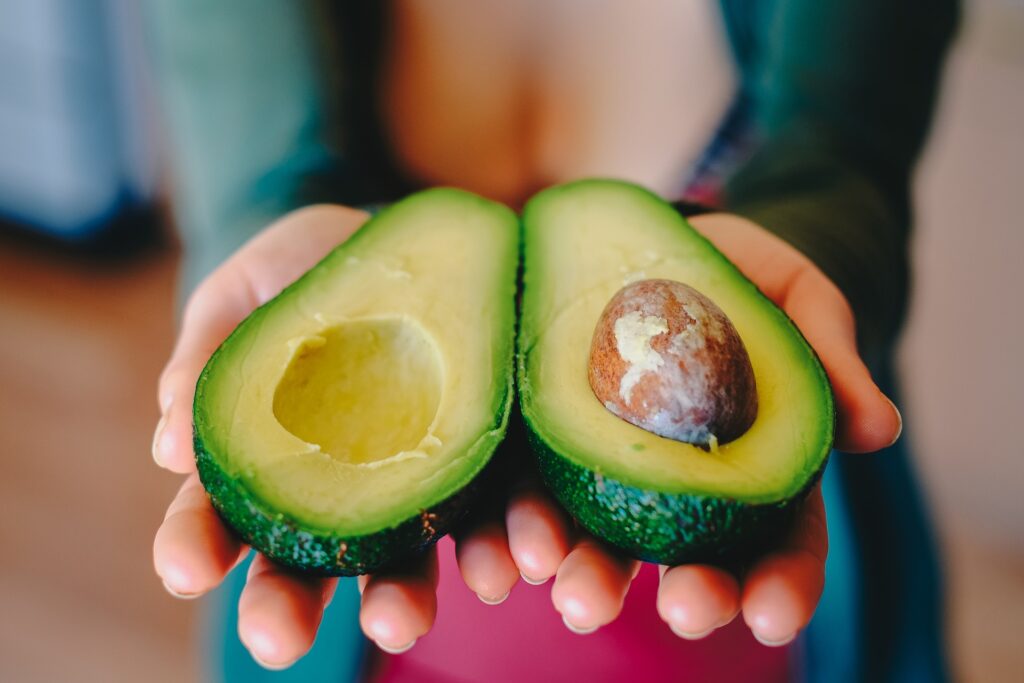
Avocados are packed with fiber, magnesium, potassium, heart-healthy monounsaturated fats, carotenoids, and tocopherols linked to reduced cancer risk. You can grow your own avocado tree at home.
Nuts

Nuts are another excellent source of inflammation-fighting healthy fats and antioxidants.
Almonds are rich in calcium, fiber, and vitamin E.
Walnuts have generous amounts of alpha-linolenic acid, a type of omega-3 fat.
Peppers
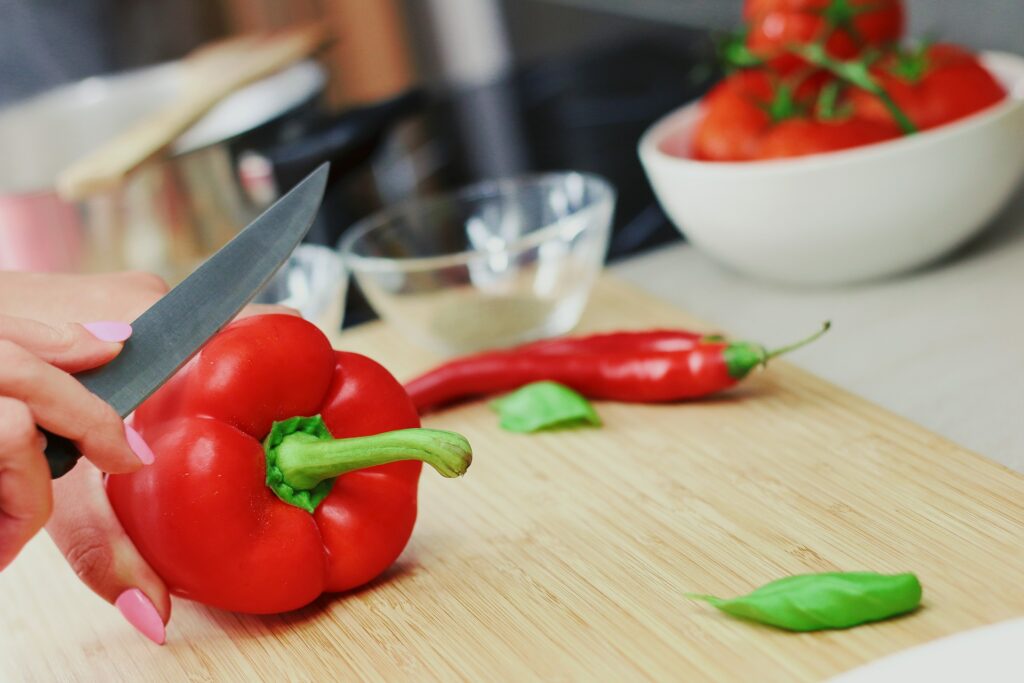
Bell peppers in all colors and chili peppers are full of vitamin C and antioxidants.
Hot peppers – like cayenne and chili – are high in capsaicin, a chemical that reduces pain and inflammation.
Karen H. Costenbader, MD, rheumatoid arthritis doctor and associate professor of medicine at Harvard Medical School told Health:
Colorful vegetables are part of a healthier diet in general. Colorful peppers, tomatoes, squash, and leafy vegetables have high quantities of antioxidant vitamins and lower levels of starch.
Tomatoes

The tomato is another winner nightshade vegetable. It’s a nutritional powerhouse rich in vitamin C, potassium, and lycopene, reducing inflammation.
Note: Cooked tomatoes provide more lycopene than raw ones, and cooked tomatoes in olive oil can maximize the amount of lycopene you absorb even further because the antioxidant is a carotenoid – a nutrient that your body absorbs better with a source of fat.
Beets
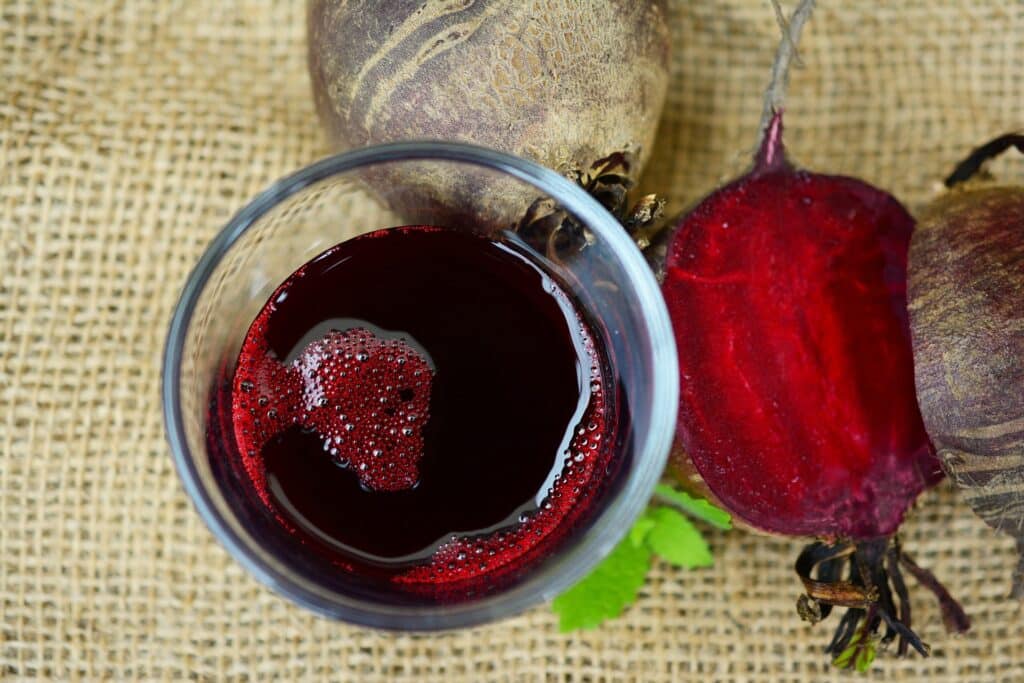
Bright red equals brilliant antioxidant properties! Beets contain a generous helping of betalains, fiber, and folate.
Note: You can eat them or drink them. Fresh beetroot (with carrot, celery, and ginger) juice is delicious!
Turmeric
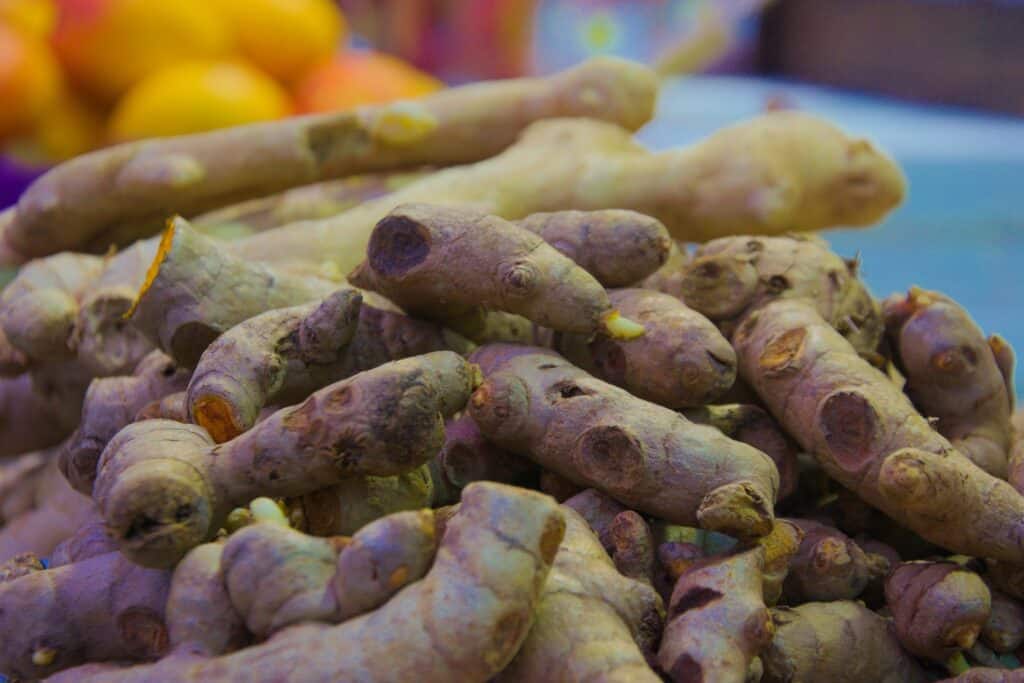
Turmeric is a golden spice typically used in curry, tea, and milk (golden milk). It helps your body turn off NF-kappa B, a compound that’s integral to triggering the process of inflammation. It also contains curcumin, a potent anti-inflammatory nutrient. Although, you may not get enough curcumin from turmeric alone to experience a noticeable effect.
Note: Eating turmeric with black pepper can significantly enhance the absorption of curcumin.
Garlic and Onions
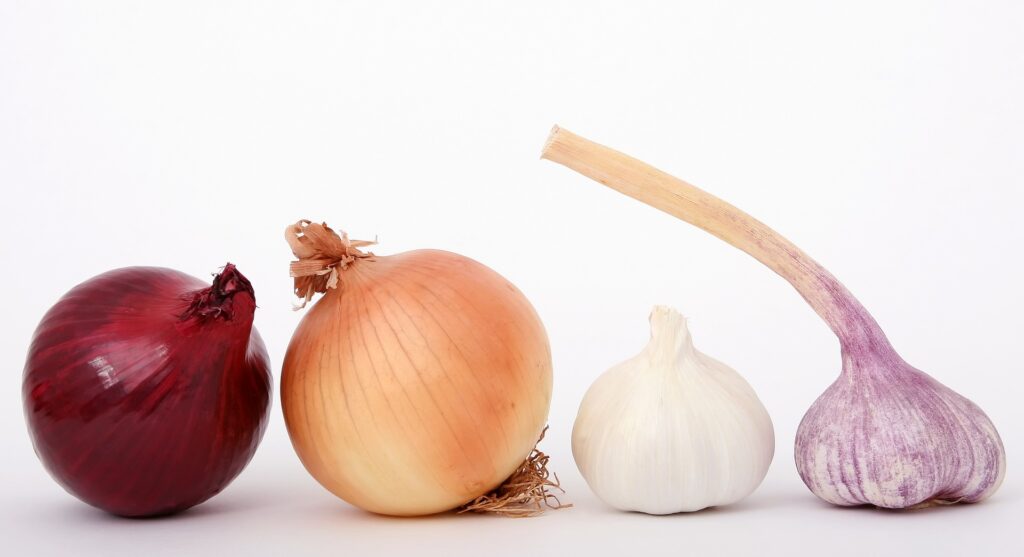
These aromatic vegetables are anti-inflammatory superstars! Garlic contains organosulfur compounds found to lower the production of substances in the blood that fuel inflammation. Onions contain the flavonoid quercetin, which helps inhibit inflammation-causing agents at play in arthritis.
Note: Eat garlic raw for the most significant benefit or leave the chopped or crushed cloves to sit for ten minutes before cooking. And as far as onions are concerned – choose shallots, red or yellow onions over the white or sweet varieties.
Extra Virgin Olive Oil

The source of olive oil’s distinctive aftertaste, Oleocanthal, has been shown to have similar anti-inflammatory effects as ibuprofen.
Furthermore, it’s rich in monounsaturated fats, one of the healthiest fats you can eat.
Note: It has to be Extra Virgin.
Berries
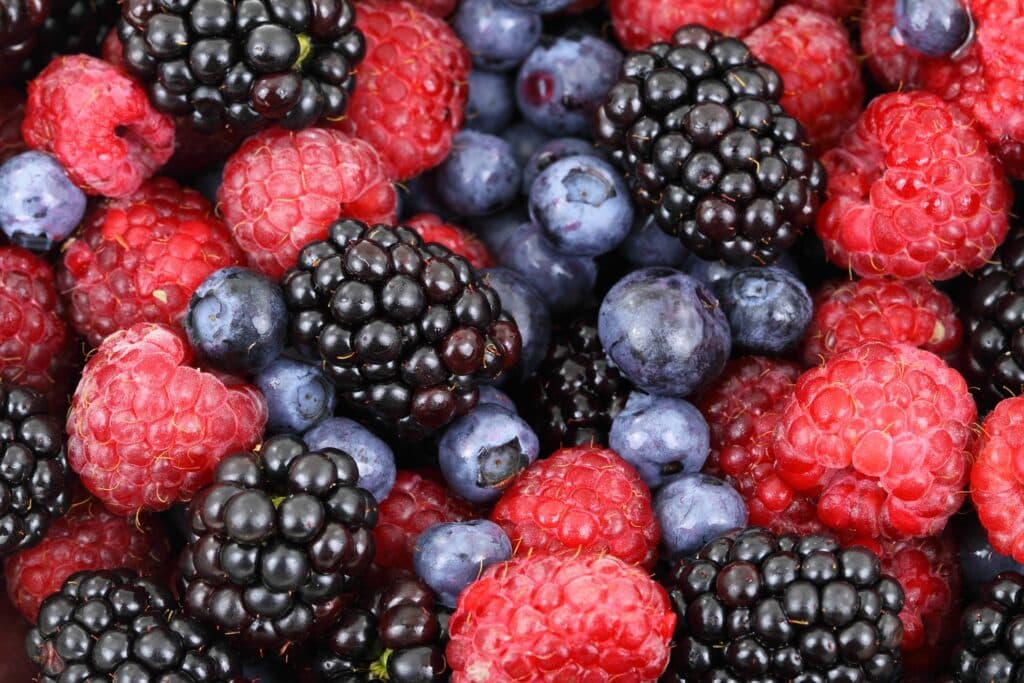
Berries are small fruits, but they are packed with antioxidants, fiber, vitamins, and minerals. Specifically, they contain antioxidants called anthocyanins – a compound that reduces your risk of disease by reducing inflammation and boosting immunity.
Some of the most common types include strawberries, blueberries, raspberries, and blackberries.
However, tart cherries are the best by far. According to a presentation by scientists from the Oregon Health & Science University, they contain the highest anti-inflammatory content of any food.
Research shows that tart cherry juice powder can reduce inflammation by up to 50% in animal blood vessels; in humans, it helps decrease post-exertion muscle pain in athletes and helps speed up recovery from intense workouts.
Note: the cherries have to be tart; sweet ones don’t have the same effects.
Green tea and Matcha
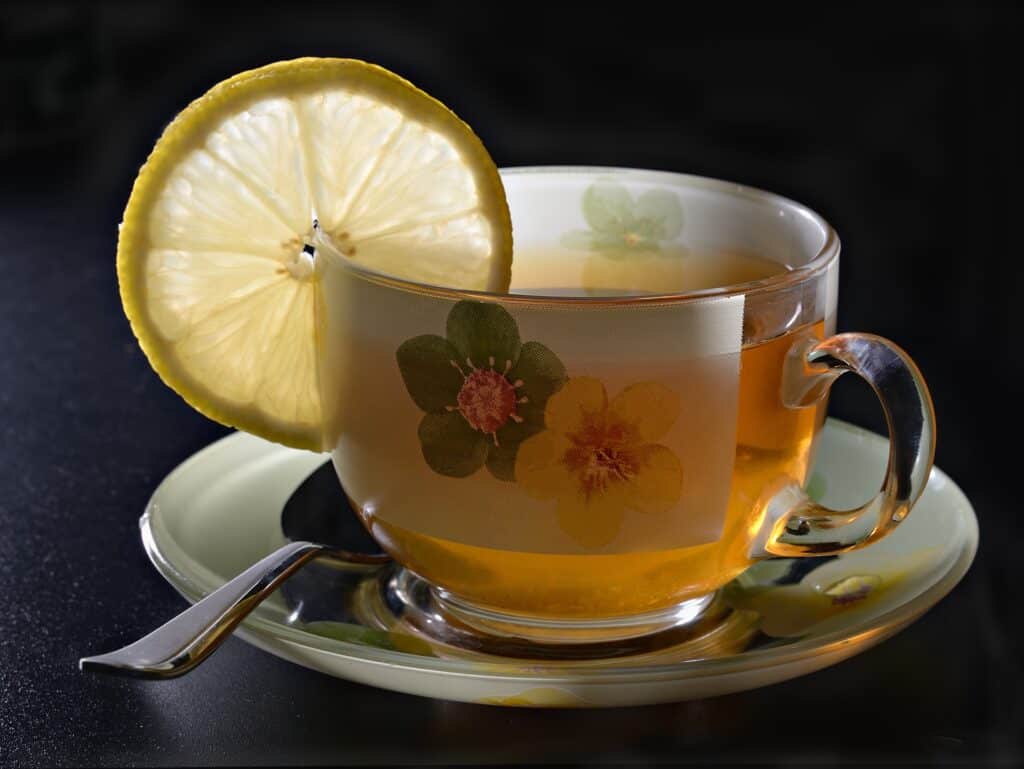
Green tea is perhaps the healthiest beverages you can drink, helping you live longer. It can even help you lose weight! Plus, combining exercise with green tea drinking can help with fatty liver disease. And drinking matcha can reduce anxiety.
Many of its benefits are thanks to a substance called epigallocatechin-3-gallate (EGCG), an antioxidant with anti-inflammatory properties. EGCG reduces pro-inflammatory cytokine production.
Dark chocolate and Cocoa
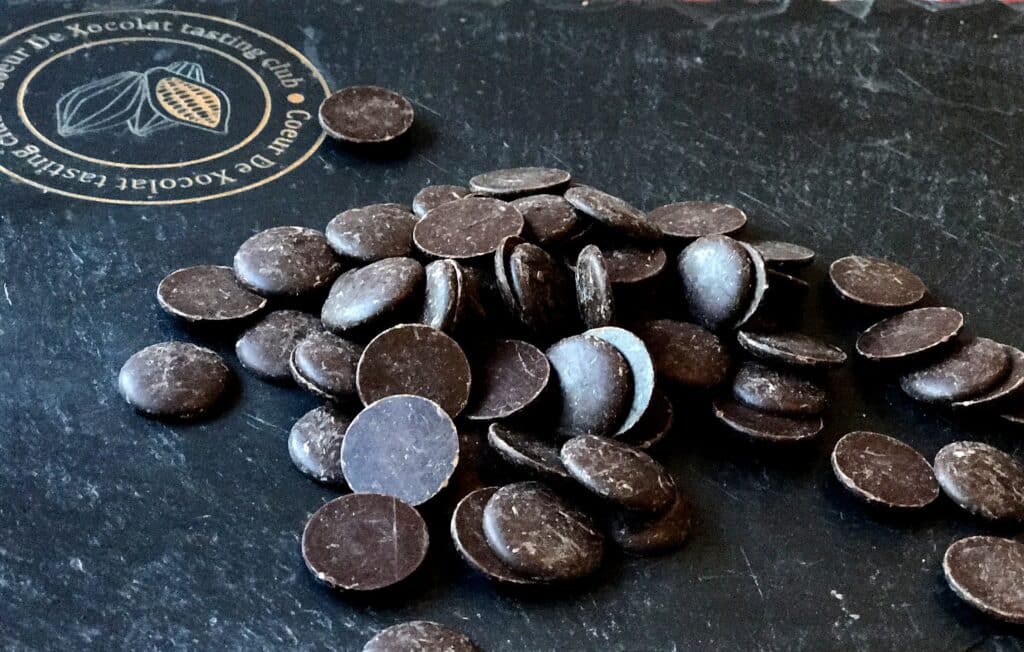
Dark chocolate is loaded with antioxidants that reduce inflammation and risk of heart disease and lead to healthier aging. It’s precisely the flavanols because they keep the endothelial cells that line your arteries healthy.
Note: The chocolate must contain at least 70% cocoa. The higher the percentage, the better.
Conclusion
Try your hardest to keep inflammation in check because even low levels on a chronic basis can lead to disease.
And for more health-boosting tips, check out these articles:
10 Surprising Things That Cause Dehydration And What To Do About It
Unique And Powerful Fruit & Vegetable Extracts That Fight Disease
These Delicious Foods Combat Stress So You Stay Healthy And Happy No Matter What!
13 Foods With Super Health Benefits
The Healthiest Way To Brew A Fresh Cup of Coffee
A Healthy Diet And Exercise Reverse Diabetes In Over 60% of Patients


