
The world is finally rid of leaded gasoline that was a leading cause of public health problems in developing countries, particularly in Africa.
On Aug. 30, the United Nations Environment Program (UNEP) announced that Algeria, the last country on Earth to use automotive leaded gasoline, stopped producing it earlier this year and depleted its last supply in July.
The announcement concludes a 19-year-long campaign by the UN to end global consumption of the toxic fuel in cars and trucks. The emissions from leaded gas are linked to heart disease, decreasing cognitive function, stroke, cancer, other health issues, and water and air pollution. UNEP estimates that the global phaseout has saved $2.44 trillion annually via improved health and lower crime rates and prevented over 1.2 million premature deaths.
Phasing Out Leaded Gas
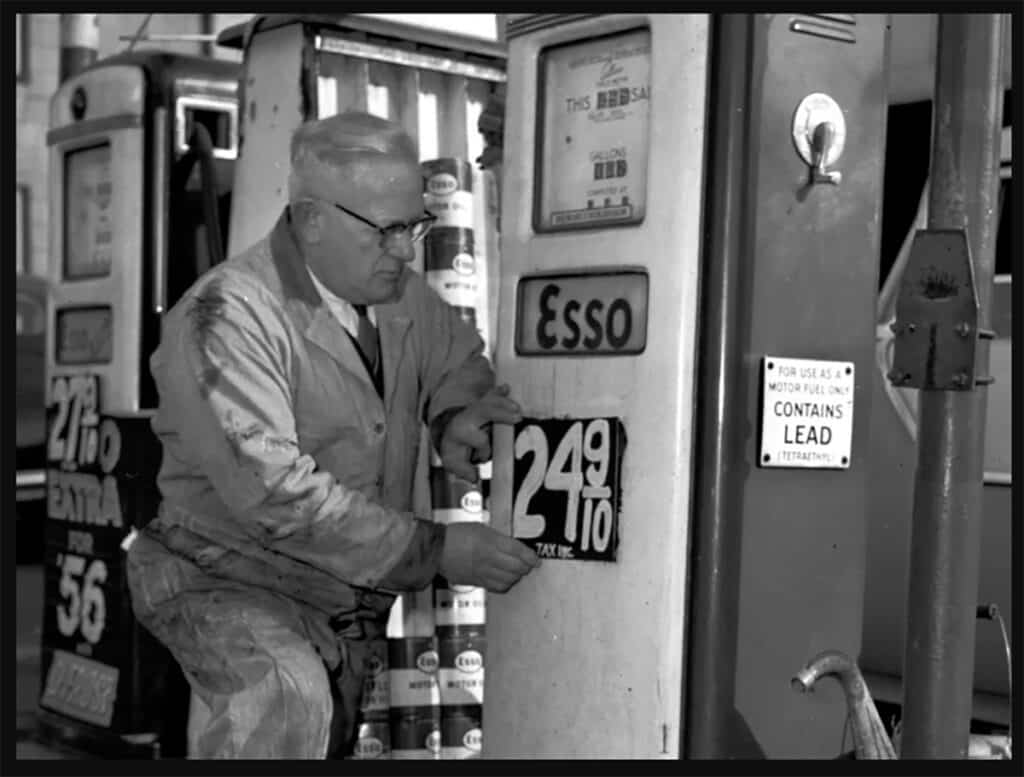
In the 1970s, nearly all gasoline on Earth contained lead. It was added to crude oil in the refining process because it enhanced car engines, making them perform more powerfully. But, eventually, evidence accumulated linking lead to health problems and crime waves. As a result, governments began phasing it out. Japan was the first to outlawed leaded gas in 1980; the US and most European countries followed suit in the 1990s; by 2000, India and China phased it out.
However, lead was still standard in fuel in a few countries, including in Africa and the Middle East, particularly Afghanistan, Iraq, Yemen, North Korea, Myanmar, and Algeria. Rob de Jong, the head of the sustainable transport unit of UNEP, suggests two main reasons for this. First, countries such as Iraq, Yemen, and Afghanistan were at war. “Of course, it’s not easy to work in these countries, and they have got other priorities,” he noted. Secondly, bribery: “In some of these countries, officials were bribed by the chemical industry that was producing these additives. They were bribed to buy large stockpiles,” he explained.
In 2002, UNEP organized a coalition involving African governments and oil companies to encourage the phaseout of leaded gas. As a result, by 2006, lead was entirely phased out of sub-Saharan Africa, and by 2014 was found only in Afghanistan, Iraq, Yemen, Myanmar, North Korea, and Algeria.
Jane Akumu, who leads clean mobility programs in Africa for UNEP, noted that while political challenges made those countries challenging to follow suit, they eventually did. A big push came from continuous awareness-raising by the UNEP group for governments to acknowledge the health risks, change their fuel tax to make unleaded gas cheaper, and implement legal bans on leaded gas imports.
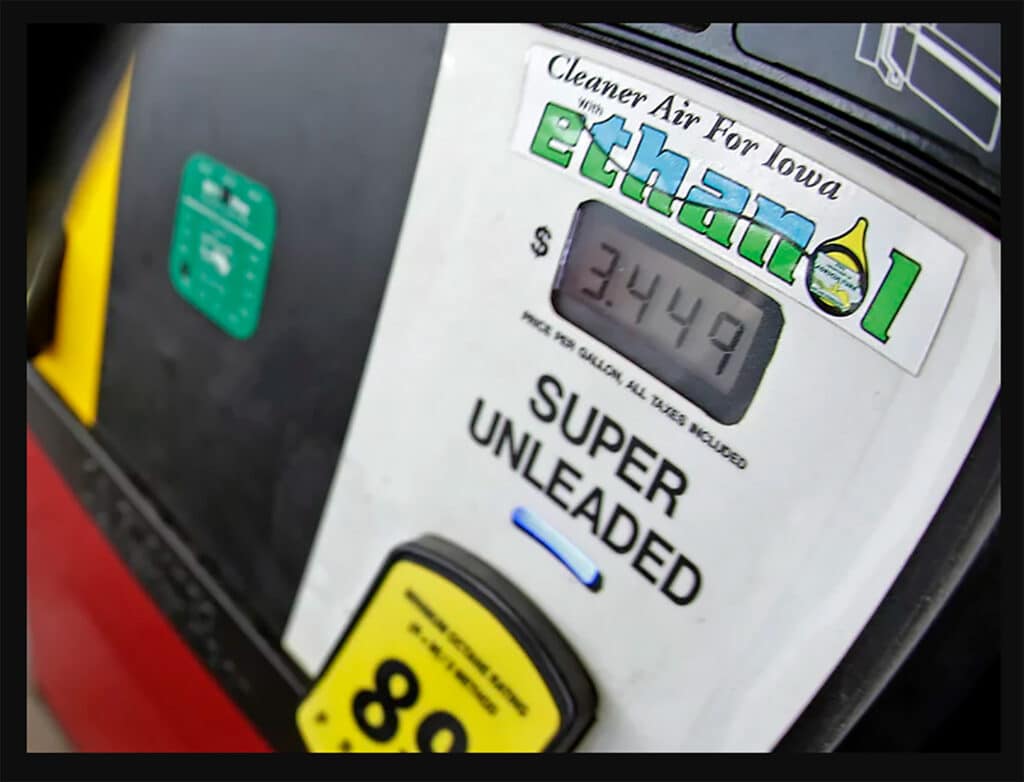
Unfortunately, while leaded gasoline for cars and trucks has been phased out globally, leaded fuels are still used in aviation, boats, motorsports, and other specialty vehicles.
Future Plans
According to Akumu, the next goal is to get more governments to enforce restrictions on sulfur levels in diesel fuel. In Africa, diesel orders remain significantly higher than allowed in the US and EU and significantly contribute to asthma and other respiratory problems.
After that, the continent will transition to electric vehicles, which may prove difficult due to unreliable electricity and charging infrastructures. Also, most of the cars imported to Africa are second-hand. Therefore, an accelerated switch to EVs in the US and the EU would only worsen the situation as it could send a wave of cheap used gas cars into Africa.
However, Egypt, South Africa, and others have implemented bans on used car imports. In addition, an increasing number of delivery and mobility startups on the continent are already beginning to use EVs. Therefore, the end of leaded gas is only the beginning of much cleaner air across Africa.


