
Navigating the world of property rent can seem overwhelming at first, but it’s filled with opportunities and important lessons. Whether you’re a seasoned renter or stepping into your first lease, understanding the nuances of how property rent works can change your experience. This article reveals seven fascinating facts that will empower you to make informed decisions and possibly even save you some money. Get ready to become a savvy renter!
Market Demand and Supply
Market demand and supply play a pivotal role in determining property rent rates. Essentially, if there’s a high demand for properties in a particular area, but the supply is limited, rent prices are likely to skyrocket. You can look into the average rent increase per year to gauge where a specific area stands in terms of market demand and supply. Market demand is often seen in bustling city centers or areas close to desirable amenities like good schools, parks, and shopping centers.
Conversely, if the supply of rental properties exceeds demand, perhaps due to a new housing development or decreased popularity of a locality, rent prices tend to decrease. This dynamic interaction between demand and supply makes rent prices a reflection of a property’s perceived value and desirability in the current market. For renters, understanding this can help with budgeting and negotiating leases, especially if they are flexible with their location and moving dates. It makes market research a crucial step before finalizing a rental agreement.

Lease Agreements
Lease agreements are legal contracts that stipulate the terms under which a property is rented. These agreements significantly influence aspects of property rent, such as duration, monthly payments, and conditions for renewal or termination. The length of the lease can affect rent prices. For instance, longer-term leases might offer lower monthly rates as a form of security for the landlord, ensuring a steady income over a more extended period.
On the other hand, short-term leases may command higher rents due to higher turnover rates and maintenance costs. Furthermore, lease agreements often outline potential rent increases, maintenance responsibilities, and rules regarding the use of the property, directly impacting the financial and living conditions of the rental arrangement. Understanding these terms is crucial for tenants to negotiate favorable conditions and manage their rental expenses effectively.

Payment Methods
There are also various payment methods for property rent, with the most common being monthly payments. However, in some situations, landlords might offer tenants the option to pay their rent upfront for the entire lease period. Popular methods of payment include:
- Check
- Direct bank transfer (ACH)
- Online payment platforms
- Cash
- Money orders
- Payment apps
- Credit card
Offering a variety of payment options can make a property more attractive to potential renters who prefer modern, convenient transaction methods like online payments or apps. Conversely, restrictions to traditional payment forms, such as checks or cash, might limit the pool of interested renters.
Some landlords may offer discounts for tenants who pay rent upfront or through automatic bank transfers, as these methods ensure timely payments and reduce administrative tasks. Ultimately, the payment methods provided can impact the appeal of the rental property and the efficiency of the rent collection process.
Rent Control
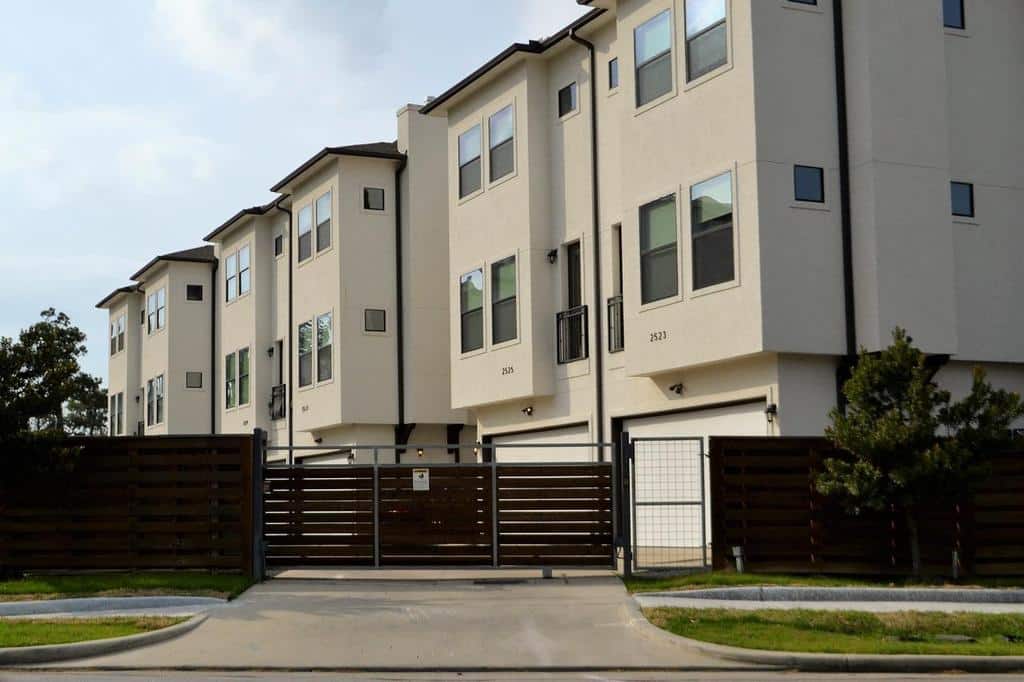
Rent control is a governmental policy that imposes limits on the amount landlords can charge for renting out a property and, possibly, the extent to which rent can be increased upon lease renewal. This regulation is primarily aimed at making housing affordable by keeping rent prices below the market rate, especially in regions where rents are escalating rapidly due to high demand. While rent control can make housing more accessible for tenants and protect them from sudden, steep rent hikes, it can have various repercussions.
For landlords, the constraints on rent increases may result in lower rental income than the market would otherwise provide. This could potentially lead to less motivation for property maintenance or upgrades. Additionally, in the long term, rent control may discourage developers from building new rental properties. This could affect the housing supply and potentially lead to higher rents in the uncontrolled segments of the market.

Security Deposits
Security deposits act as a financial safeguard for landlords against potential damage to their property or unpaid rent. Typically equivalent to one or two months’ rent, these deposits can influence a tenant’s decision on a rental due to the initial cost of moving in. While necessary from a landlord’s perspective, high-security deposits can make a property less accessible or appealing to potential renters, especially if they’re on a tight budget.
Conversely, the promise of having the security deposit returned at the end of the lease provides tenants with an incentive to maintain the property in good condition. This potentially reduces maintenance and repair costs for landlords. Understanding this balance is crucial for both parties in a rental agreement.
Renters’ Insurance
Typically, this insurance covers personal property within the rented premises against theft, damage, or loss and may provide liability coverage. For tenants, having renters’ insurance can mean safer and more secure living conditions, knowing their possessions are protected. This assurance can make a rental property more appealing.
On the landlord’s side, encouraging or requiring renters’ insurance can mitigate potential disputes over property damage and reduce the landlord’s liability for incidents within the property. Consequently, properties that recommend or require renters’ insurance might see heightened interest from potential renters looking for a secure lease. This indirectly affects the property’s desirability and, by extension, rental market dynamics.

Rental Market Trends
Rental market trends significantly influence property rent levels, acting as a barometer for both demand and supply dynamics. For instance, an increase in remote work can lead to higher demand for properties in suburban areas, pushing rents up in these locations. Similarly, economic downturns often result in decreased disposable income, lowering demand for high-end rental properties and thereby reducing rents in that segment.
Additionally, trends such as the growing preference for environmentally friendly and smart homes can also shift where and how people choose to live, influencing rent prices accordingly. Landlords and tenants alike must stay informed about these trends, as they can affect rental costs, the availability of properties, and the overall desirability of different areas.
Unlocking Property Rent Knowledge
Understanding the intricacies of property rent unlocks a world of possibilities for you as a renter. By grasping these seven key facts, you’re better equipped to make savvy decisions, negotiate favorable lease terms, and find a rental that fits both your budget and lifestyle. Remember, knowledge is power – empower yourself to thrive in the rental market, ensuring you get the most value and satisfaction from your next leasing adventure.


