
Few events disrupt home life as suddenly as water damage, which can arise from anything from burst pipes and appliance leaks to natural disasters. When the water stops flowing, the real work begins—restoration. If this is your first time dealing with water damage, the entire process may seem overwhelming and unclear.
Understanding what happens during a water damage restoration visit can help ease the stress and give you confidence in the recovery process. We will explore the key steps restoration professionals typically follow when they arrive at your property and begin the cleanup and repair phase.

Steps to Expect During a Water Damage Restoration Visit
1. A Thorough Inspection and Damage Assessment
The first thing to expect is a thorough inspection of the property. The Portland water damage restoration team starts by identifying the source of the water if it has not already been stopped.
Once the water source is controlled, they evaluate the category and classification of the damage. This means they assess how contaminated the water is—whether it’s clean, gray (slightly contaminated), or black (heavily contaminated)—and how far it has spread through walls, floors, and furniture. Moisture meters and infrared cameras are often used to detect hidden water pockets.
This stage allows them to design a plan tailored to your home’s specific needs. Documentation and photos are usually taken, which can help with insurance claims. Clear communication is also part of this step; the crew should explain what damage they’ve found and what the expected course of action will be.
2. Rapid Water Removal and Extraction
Once the scope of damage is clear, the team moves on to extracting standing water. Industrial-grade vacuums and pumps are used to remove as much water as possible quickly.
The faster this step happens, the lower the chance of further damage like mold growth or structural weakening. During this phase, carpets may be pulled back, baseboards removed, and soaked materials taken out to ensure all wet surfaces are addressed. If water has seeped into hard-to-reach areas, technicians may drill small holes or lift wood flooring to allow for full extraction.
This part of the process is usually loud and may disrupt daily routines temporarily, but water damage restoration company Restoration Pros ensures it’s done properly to limit long-term consequences. The crew may also use portable tanks or truck-mounted units, depending on the size and accessibility of the affected area. By the end of this phase, your home should be free of visible water.
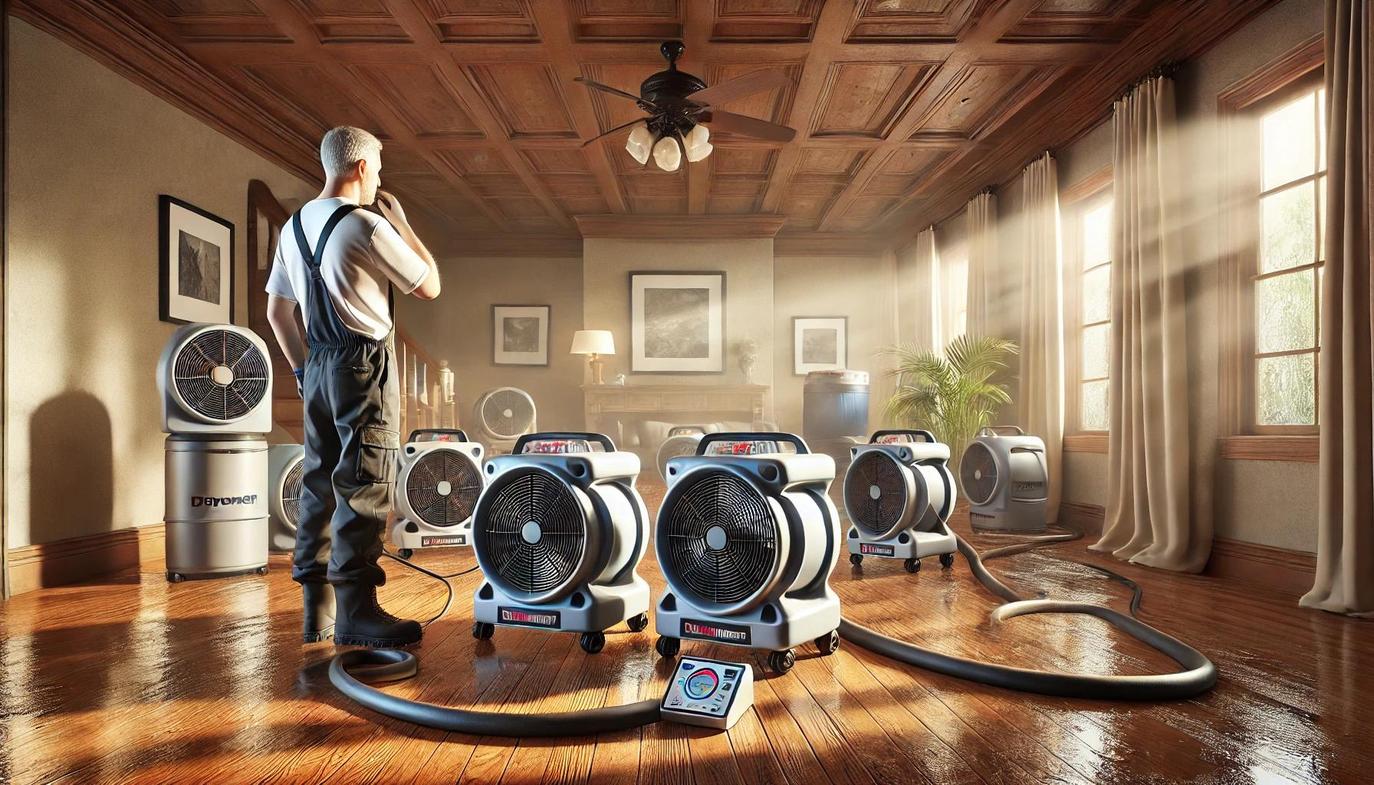
3. Essential Drying and Dehumidifying
Even after the standing water is gone, moisture often lingers in walls, floors, and air. That’s why drying and dehumidifying are key next steps. Restoration professionals bring in high-powered air movers and industrial dehumidifiers to evaporate any remaining water.
They may rearrange the equipment daily based on moisture readings to ensure efficient drying. You might notice the equipment running nonstop for several days; this is normal and necessary to prevent mold growth and secondary damage.
During this phase, the crew monitors humidity levels in the air and moisture levels in materials to track progress. If insulation, drywall, or wooden beams are still damp, additional steps like removing or treating them may be taken. This step isn’t just about surface dryness—it’s about ensuring that the home’s internal structures are safe and moisture-free. It is critical not to rush this stage, as doing so can lead to hidden moisture and more significant damage later on.

4. Deep Cleaning and Sanitizing
After your home is fully dried, the cleaning and sanitation phase begins. Water damage often leaves behind dirt, bacteria, and potential allergens, especially if the water source was gray or black water.
- Restoration professionals clean all affected surfaces using antimicrobial treatments, disinfectants, and odor removers.
- Items like furniture, rugs, and curtains are often treated off-site or on-site, depending on their condition.
- Walls and floors may be scrubbed or fogged to eliminate bacteria and lingering smells.
- This step also includes content cleaning, where personal items such as photos, documents, and electronics are assessed and restored when possible.
- Mold prevention is a priority in this phase, and technicians may apply mold-inhibiting solutions as a safeguard.
The goal is to leave your home not only looking clean but also feeling safe and healthy. If needed, HVAC systems might also be inspected and cleaned to ensure contaminants don’t circulate through your home’s air.
5. The Final Repair and Restoration
The final stage is rebuilding and restoring your home to its original condition—or even improving it if upgrades are desired. This might involve minor repairs like replacing drywall, repainting, or installing new carpet. In other cases, it could extend to major reconstruction if floors, walls, or entire rooms were compromised.
Some companies handle the full restoration, while others may work alongside your preferred contractors for rebuilding. Before starting this phase, the team will often conduct a walkthrough with you to confirm everything is dry and clean. If parts of the home were removed earlier—like cabinets or baseboards—those will be reinstalled or replaced.
Clear communication during this stage ensures that your expectations align with what’s being rebuilt. This is also the time to address any lingering questions or concerns you may have. Once repairs are complete, your home should be safe, dry, and fully functional again—and in many cases, improved from its pre-damage condition.

Your Guide to a Smooth Water Damage Recovery
While facing water damage is stressful, understanding the restoration process empowers you to take control of the situation. From the initial inspection and thorough water extraction to the critical drying and dehumidifying phase, each step is designed to bring your home back to a safe, stable condition. The final stages of cleaning, sanitizing, and repairing restore your property and ensure it is healthy for you and your family to return.
Knowing what to expect, you can work effectively with your restoration team, ask the right questions, and make informed decisions. This knowledge transforms a potentially chaotic experience into a manageable recovery process. Remember that a professional restoration service is your partner in navigating the complexities of water damage, helping you protect your investment and restore your peace of mind.
Frequently Asked Questions About Water Damage Restoration
How long does the water damage restoration process take?
The timeline for water damage restoration can vary significantly depending on the extent of the damage, the type of water involved, and the materials affected. Minor cleanups may take a few days, while extensive restoration involving structural repairs could last several weeks. Your restoration team should provide a more precise timeline after the initial damage assessment.
Can I stay in my home during the restoration process?
For minor water damage, you may be able to stay in your home by sectioning off the affected area. However, in cases of severe damage, contamination (black water), or if structural repairs are needed, it is often safer and more practical to relocate temporarily. This is especially true during the drying phase when equipment can be loud and disruptive.
Will my insurance cover the cost of water damage restoration?
Most standard homeowner’s insurance policies cover sudden and accidental water damage, such as from a burst pipe or appliance malfunction. However, coverage for issues like flooding often requires a separate policy. It’s crucial to contact your insurance agent as soon as possible to understand your coverage and begin the claims process.


